

Pallets are the behind-the-scenes champions of global logistics, constructing the foundation for billions of products entering and exiting supply chains every year.
You’re probably operating a warehouse, exporting or importing goods, or operating a retail business, but you understand the importance of pallet sizes and dimensions in efficiency, cost-effectiveness, and smooth transport.
In this comprehensive guide, we delve into all the essential information you need to know about pallet size and dimensions.
We cover international standards, types of materials, types of structures, load ratings, selection guidelines, and best practices—all to help you make informed decisions for your warehousing and logistics operations.
What Is a Pallet?
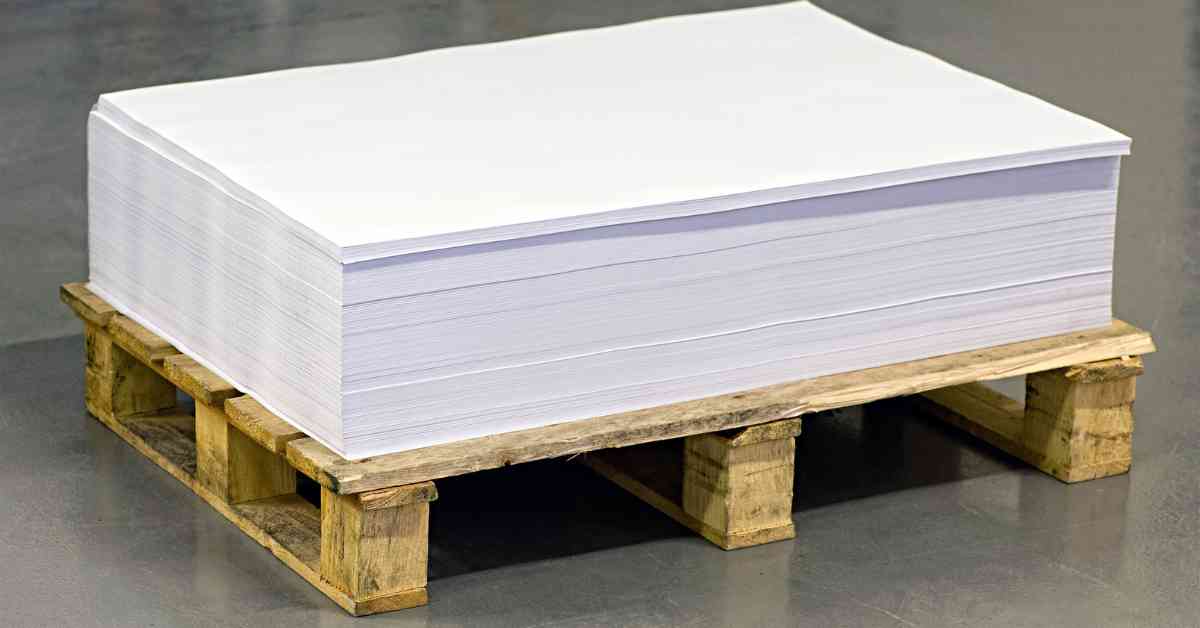
A pallet is a flat, movable platform providing support for product handling, storage, and shipping.
Made of wood, plastic, or metallic material, pallets support the product piled on them and provide easy lifting by forklift, pallet jack, or automation.
Pallets play very important roles in:
- Efficient warehouse management
- Safe product transport
- Faster loading and unloading
- Fewer damages to products
The pallet packages bulk material handling to facilitate an effective logistics workflow and space optimization.

Why Pallet Dimensions and Size Matter
The size and dimensions of a pallet directly affect shipping, storage, and material handling.
Pallet size is crucial due to the following reasons:
- Space Optimization: The distribution of pallet size to shipping equipment and racking maximizes space utilized.
- Cost Savings: Correctly sized pallets reduce packaging material and shipping expense
- Global Compatibility: International standards compliance ensures reliable cross-country transportation of goods.
- Safety of Products: Optimum-size pallets ensure loads are kept stable in transit as well as in warehousing.
Standard Pallet Sizes worldwide
1. North American Pallet (GMA Standard)
- Size: 48 x 40 inches (1219 x 1016 mm)
- Application: United States and Canada
- Material: Wood, predominantly
- Application: Grocery, food and beverages, retail
- Observation: Most utilized in North America; maximized truck trailer and containerization
2. European Pallet (EUR / EPAL Pallet)
- Size: 1200 x 800 mm (47.2 x 31.5 inches)
- Used In: European Union countries
- Material: Wood, controlled by EPAL
- Usage: General production, retail, and supply chain
- Note: Stamped and controlled for consistency, quality, and ISPM-15 compliance
3. Australian Standard Pallet
- Size: 1165 x 1165 mm (45.9 x 45.9 inches)
- Used In: Australia
- Material: Hardwood
- Usage: Domestic transport and supply chain
- Note: Not suitable for ISO containers as it is square in dimension
4. Asian Standard Pallet
- Size: 1100 x 1100 mm (43.3 x 43.3 inches)
- Used In: China, Japan, South Korea
- Material: Wood, plastic
- Usage: Electronics, consumer goods, industrial use
5. ISO Recognized Pallet Sizes
The International Organization for Standardization (ISO 6780) approves six standard sizes used globally:
Region Size (mm) Common Use
North America 1219 x 1016 Consumer goods
Europe 1200 x 800 General merchandise
Asia 1100 x 1100 Electronics and exports
Australia 1140 x 1140 Domestic logistics
Global (Chemicals) 1067 x 1067 Chemical drums
Japan/China 1200 x 1000 Automotive, industrial
Materials Used in Pallet Construction
1. Wooden Pallets
Wood remains the most common pallet material globally. Pallets are made of hardwood or softwood, based on use.
Strengths:
- Affordable
- Easy to recycle and fix
- Versatile for customization
Weaknesses:
- Sensitive to pests, splinters, and dampness
- Requires ISPM-15 treatment for export
2. Plastic Pallets
Plastic pallets are made through molding high-density polyethylene (HDPE) or polypropylene (PP).
Strengths:
- Lightweight
- Bacterial-, chemical-, and moisture-proof
- Ideal for hygienic industries (food, pharma)
Disadvantages:
- More expensive to buy initially
- Hard to fix if damaged

3. Metal Pallets
Constructed of steel or aluminum, metal pallets are utilized for heavy industrial applications.
Strengths:
- Strong and rugged
- Fireproof and recyclable
Weaknesses:
- Heavy and expensive
- Not suitable for every application
4. Paper/Cardboard Pallets
Constructed of corrugated fiberboard or molded paper pulp.
Strengths:
- Light
- Environmentally friendly and disposable
Weaknesses:
- Poor water resistance
- Low weight capacity
Pallet Design Types
Entry Type
- Two-Way Pallet: Two-way forklift entry from opposite directions
- Four-Way Pallet: Four-way access by pallet jack and forklift; employed in efficient warehouse operations
Deck Type
- Single-Face Pallet: Deck only on one side; for light-duty applications
- Double-Face Pallet: Two-sided deck; stiffer and stronger
Stringer vs Block Pallets
- Stringer Pallets: Three parallel boards (stringers) to support the load; two-way or notched for four-way entry
- Block Pallets: Nine blocks supported on grid pattern; four-way entry, stronger and ideal for automation

Load Rating and Safety
Pallet strength depends upon material, design, and condition. In every doubt, refer to the manufacturer or a structural engineer.
- Wooden Pallets: 1,000 – 1,500 kg (2,200 – 3,300 lbs)
- Plastic Pallets: 500 – 1,500 kg
- Metal Pallets: Up to 2,000 kg or more
- Cardboard Pallets: Maximum 250 kg, depending upon construction
Load Ratings of Pallets:
- Static Load: Maximum weight that can be lifted by a pallet when not moving
- Dynamic Load: Its weight capacity when lifting or in transit
- Racking Load: Its capacity when loaded and racked
How to Choose the Right Pallet
When purchasing a pallet for your business, consider the following:
- Product Type: Delicacy, dimensions, and weight of products
- Shipping Destination: Export pallets may require ISPM-15 certification
- Storage Environment: Clean or humid storage conditions may necessitate plastic or metal pallets
- Load Handling: The pallets should be forklift and conveyor system compatible
- Sustainability Objectives: Make use of recyclable or reusable pallets
Pallet Utilization Tips
- Stack Safely: Distribute loads symmetrically and do not overhang
- Use Stretch Film or Straps: Secure loads during transit
- Label Loads Legibly: Label using barcodes or RFID tags
- Check Regularly: Remove spoiled pallets from line
- Implement FIFO: Facilitates inventory rotation and wastage
Conclusion
Pallet dimensions and length aren’t only an issue of warehouses—having the proper pallet is a supply chain management strategy.
The correct pallet chosen avoids product damage, maximizes space, is in compliance with regulations, and avoids unnecessary expense.
From America’s GMA pallet specifications to Europe’s EPAL-certified pallets and beyond, pallets are produced to order in an effort to meet worldwide logistics demands.
By remaining cognizant of the laws in the immediate region, material choices, and design plans, you can have your operations remain reactive, compliant, and efficient.
References:
International Organization for Standardization (ISO)
European Pallet Association (EPAL)
National Wooden Pallet & Container Association
Global Industrial Reports on Logistics & Pallet Markets


