China to USA shipping is perhaps the most critical component of international business.
You’re either an internet retailer who’s purchasing from Alibaba, a parts supplier importing, or an international distributor with huge orders, and knowing the ins and outs of the China to USA shipping process can make you money, save you time, and better your supply chain.
How to Ship from China to USA? In this comprehensive manual, we’re about to describe the shipping modes, documents employed, customs clearing process, transit time, and cost-saving tips so that you’re an expert in your global shipping.
Compact Overview of Shipping Modes from China to America
There are three main modes of transport during shipping products from China to America:
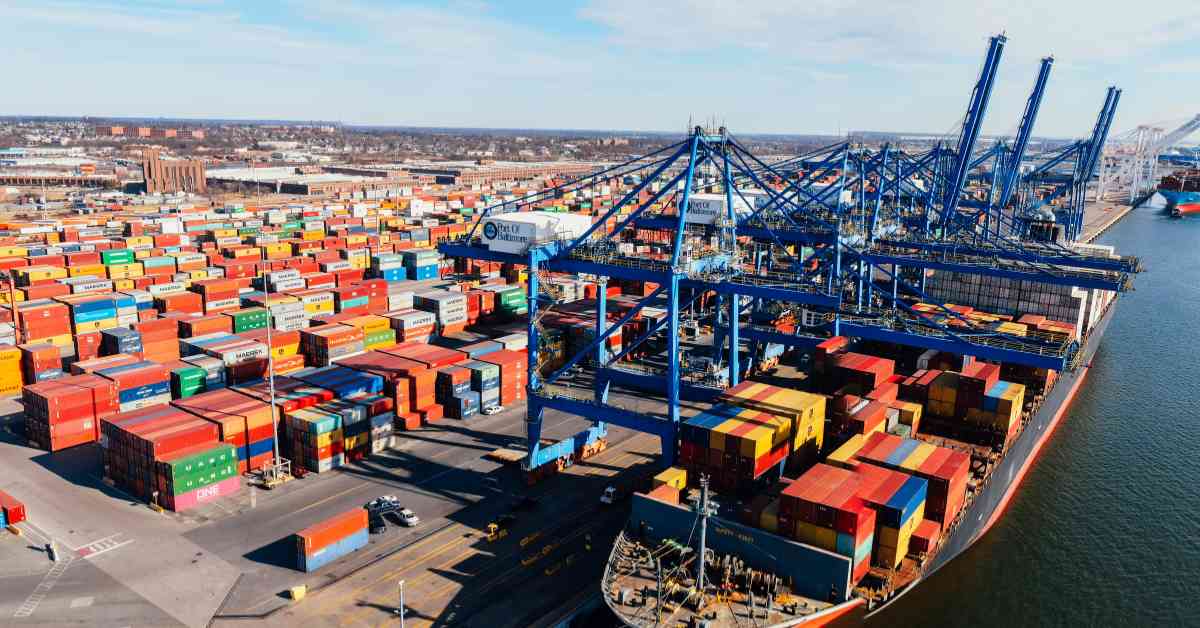
Sea Freight
- FCL (Full Container Load): You rent a complete container (20ft, 40ft, or 40ft HQ), either loaded or empty.
- LCL (Less than Container Load): You rent together with other importers within the same container on shared space.
- Transit Time: 20–40 days, depending on distance and customs clearance
- Best For: Heavy consignments or bulky shipments which are not time-critical on delivery
Air Freight
- Standard Air Cargo: Safe and fast mode for medium consignments
- Express Shipping: DHL, FedEx, UPS, and TNT deliver to the door
- Transit Time: Air freight 3–7 days; express 1–5 days
- Best For: Time-sensitive, valuable, or perishable goods
Rail Freight (via Europe to West Coast)
- Rail-Air Multimodal Services: There are also forwarders that use rail and air in order to be cost-effective as well as time-effective.
- Transit Time: Approximately 15–25 days
- Best For: Cost-effective compared to air freight
Best Chinese Ports to Ship to the USA
Knowing China’s top ports, you’re better equipped to arrange logistics.
- Shanghai Port: Largest port in the world
- Shenzhen Port: Top electronics and consumer goods port
- Ningbo Port: Most active FCL and LCL port
- Guangzhou Port: Most famous for industrial and manufacturing exports
- Qingdao & Tianjin Ports: Service northern China exporters
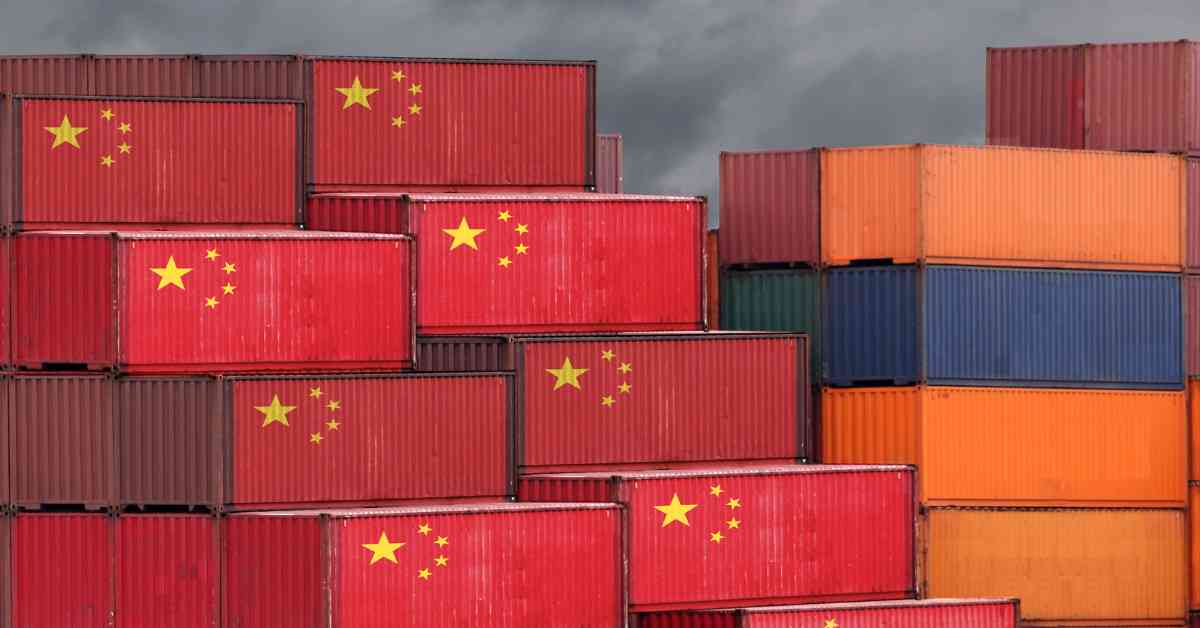
Typical US Ports of Entry
When your shipment comes to the US, it comes in one of the following:
- Los Angeles/Long Beach: Major West Coast import port
- New York/New Jersey: Largest East Coast port
- Savannah: Top destination for southeast USA-bound cargo
- Houston: Ideal for distribution to central and southern US
Documents Required for Shipping
Ensure all documents are prepared and ready to avoid delay in customs.
- Bill of Lading (B/L) or Airway Bill (AWB)
- Commercial Invoice
- Packing List
- Import Security Filing (ISF) – shipments via ocean only
- Certificate of Origin (for certain products)
- Customs Bond (for products with value over $2,500)
Customs Clearance Process
To enable customs clearance to occur without any hiccups:
- Make Import Security Filing (ISF) at least 24 hours before the departure of the shipment.
- Declare proper value and HS codes for all products.
- Pay Duties and Tariffs (which are product category-based)
- Instruct services of a Licensed Customs Broker who would be able to handle paperwork as well as communication with CBP (United States Customs and Border Protection)

Tariffs and Duties While Importing from China
Tariffs on imports could substantially add to your final landed cost. Tariffs charged by the United States are determined based on:
- HS Codes: Harmonized System codes determine product categories and duty rates
- Section 301 Tariffs: Extra tariffs on most Chinese goods
- Anti-Dumping Duties: Assessed on some goods invoiced below fair market value
- To compute duties:
- Use the Harmonized Tariff Schedule (HTS) at https://hts.usitc.gov/
- Explanation:
- Check with your customs broker to classify merchandise correctly
Freight Forwarders and Logistics Partners
It is easy to ship overseas with a professional freight forwarder. They can:
- Arrange pickup from your foreign supplier
- Book ship or aircraft space
- Prepare export documents
- Clear customs
- Forward products to your US warehouse
- Recommended Freight Forwarders:
- Flexport
- ShipBob
- Freightos
- DHL Global Forwarding
- UPS Supply Chain Solutions
Approximate Shipping Costs
Rates are volume, mode, and distance-based. Rough estimates (as of 2024):
- Sea Freight FCL: $2,000–$4,500 per 40ft container
- Sea Freight LCL: $100–$300 per CBM
- Air Freight: $5–$10 per kg
- Express Courier: $10–$30 per kg (all-inclusive door-to-door)
- Money-saving tips:
- Consolidate shipments
- Optimize packaging efficiency
- Get quotes from multiple freight
- Book shipping outside peak season
USA Delivery Options
Once cleared by customs, select a final delivery option:
- Port Pickup: You arrange pickup from the port
- Door-to-Door Delivery: Forwarder brings to your door
- Fulfillment Centers: Ship stock directly to centers such as Amazon FBA or third-party logistics (3PL) warehouses
Tips for First-Time Importers
- Vet Your Chinese Supplier: Utilize websites such as Alibaba Verified or request a factory audit
- Know Incoterms: Learn about incoterms such as FOB, EXW, and CIF to outline seller/buyer responsibilities clearly
- Insure Your Goods: Insure against loss, damage, or theft
- Start Small: Pilot test shipping and supplier performance through a pilot order
- Account for Delays: Provide additional time for holidays like Chinese New Year
Conclusion
Export from China to America is a complicated but feasible undertaking once you’ve got logistics, legislations, and customs under your belt.
Having the right shipping mode, adequate paperwork, and experienced associates at hand, you can create a sound and cost-effective import pipeline.
Beginner or seasoned, ready and informed is the best approach to doing foreign business.
References:
US Customs and Border Protection