
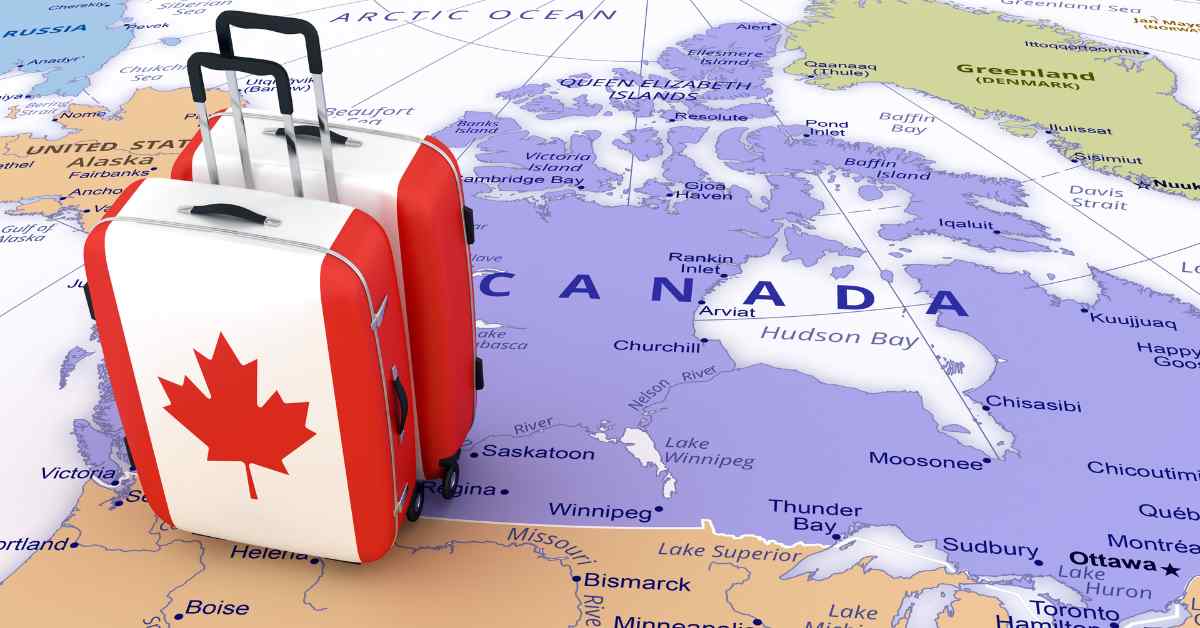
The exportation of goods from China to Canada is an economic and strategic move for most businesses looking for stable production, affordable prices, and easy access to a beautiful range of goods.
Whether you are an old importer or a new buyer, it is not possible not to comprehend the ins and outs of global logistics.
From determining the right shipping method to staying clear of customs clearance and knowing your expenses, this book will guide you through everything you need to know for shipping from China to Canada.
China is Canada’s largest trade partner. China and Canada had two-way trade valued at more than CAD 100 billion in 2023, and China was Canada’s second-largest import origin [1].
The coming together of Canadian demand and Chinese ability to produce has introduced more shipping volume that requires efficient shipping and compliance with regulations.
Mutual Imports of China to Canada:
- Consumer electronics
- Home furniture and household appliances
- Machine equipment
- Clothing and textiles
- Plastic products
- Toys and games

Modes of Shipping Available
Three modes are usually used in shipping between China and Canada: sea freight, air freight, and express courier service.
Each has its merit depending on the character, size, and urgency of your shipment.
A. Sea Freight
Sea freight is the most economical one, used for bulky or large consignments. You have a choice between:
- FCL (Full Container Load): You rent out a complete container (20ft or 40ft).
- LCL (Less than Container Load): Other importers share a container with you.
Transit Time: 20–45 days. Cost: $2,000–$5,000 per 40ft containerBest for: Large, non-perishable items like furniture, machinery
B. Air Freight
Air freight is faster than sea freight but expensive. It’s best for expensive or time-sensitive products.
- Transit Time: 3–7 daysCost: $5–$10 per kilogramBest for: Electronics, perishable items, urgent shipments
C. Express Courier Services
Major players like DHL, FedEx, and UPS provide door-to-door service. Although costly, it is ideal for small packages and samples.
- Transit Time: 2–5 days
- Cost: $10–$20 per kilogram
- Ideal for: Small packages, e-commerce orders, samples
Door-to-Door Shipping Option
Door-to-door shipping consolidates several services into one easy process and is best suited for businesses with little overseas logistics experience.
Advantages:
- Streamlines customs clearance
- Minimizes opportunities for errors in handling
- Transparent pricing and tracking
- Minimized possibility of delays
This service typically includes pickup, consolidation, overseas transportation, customs clearance, and final delivery in Canada.
Main Ports of Departure and Arrival
Chinese Ports:
- Shanghai: The World’s busiest port
- Shenzhen: Export electronics
- Ningbo-Zhoushan: Manufacturing products central hub
- Guangzhou: Industrial manufacturing area
- Qingdao: Northeast China exports
Canadian Ports:
- Port of Vancouver (BC): Country’s largest, busiest port
- Port of Montreal (QC): Port for eastern provinces
- Port of Prince Rupert (BC): Famous for fast rail shipment to interior
Customs Clearance in Canada
It involves going through Canadian customs to bring Chinese goods into Canada. This involves several documents and potential duties.
Documents Required:
- Commercial Invoice
- Packing List
- Bill of Lading or Airway Bill
- Certificate of Origin
- Import permits (where required)
Duties and Taxes:
- GST (Goods and Services Tax): 5% on the majority of imported goods
- PST or HST: Province-based
- Import Duties: Also varies based on product category under the HS Code
It is recommended very strongly to use a licensed freight forwarder or customs broker to ensure compliance and make it simpler [2].
Shipping Cost: Breakdown and Determinants
Shipping cost varies depending on:
- Mode of transportation
- Weight and volume
- Distance of shipping
- Type of merchandise
- Incoterms employed
Estimated Cost Ranges:
- Sea Freight (FCL): $2,000–$5,000 for a 40ft container
- Air Freight: $5–$10/kg
- Express Shipping: $10–$20/kg
- Other charges to consider:
- Port charges
- Customs clearance charges
- Warehousing/storage charges
- Insurance premiums
Seasonal demand, such as Chinese New Year or Q4 holiday season, may contribute 20–30% towards shipping expense.
The Right Freight Forwarder
Freight forwarders are excellent business allies of international trade.
They manage shipping reservations, process documentation, and in some cases provide door-to-door services.
How to Select:
- Experience on China-Canada routes
- Transparent and competitive prices
- Licensed and insured
Good word-of-mouth referral
Provides customs brokerage services
Quality freight forwarders will also be able to provide cargo consolidation, warehousing, and incoterm advice.

Incoterms: Know Your Obligations
Incoterms specify who pays whom and at what point liability shifts from seller to buyer.
Simple Incoterms:
- FOB (Free On Board): Seller arranges shipment to port; buyer pays freight and duty
- EXW (Ex Works): Buyer assumes full risk from seller’s plant
- CIF (Cost, Insurance, Freight): Seller arranges freight and insurance
- DDP (Delivered Duty Paid): Seller does everything, including customs and last-mile delivery
Learning Incoterms protects you from surprise expenses and confusion.
A Smooth Shipping Guide
- Be ready: Delays in shipping by sea are the rule.
- Choose a proper Incoterm: Depending on your level of shipping experience and expenditure.
- Deal with reliable suppliers: Get referrals and verify credentials.
- Label packages properly: Inadequate labeling means customs delays.
- Insure cargo: Against loss, theft, or damage.
- Track shipment: Use online facilities for real-time tracking.
China to Canada shipping: FAQs
Q: How long does it take to ship from China to Canada?
A:
- Air Freight: 3–7 days
- Sea Freight: 20–45 days
- Express Shipping: 2–5 days
Q: Do I need an import license?
A: No, for the majority of goods, but food, cosmetics, and electronics can have permitting.
Q: Can my shipment be tracked?
A: Yes. Numerous express couriers and freight forwarders provide tracking portals.
Q: Are there limitations to what I import?
A: Yes. Canada restricts imports of firearms, certain chemicals, goods of an endangered species, and intellectual property right-infringing goods.
Conclusion
Shipping from China to Canada is a simple matter if you understand the logistics, customs laws, and means of shipping.
Exporting electronics, clothing, or equipment from China to Canada, no matter what your product is, it is extremely crucial that you select the most suitable freight mode and company to reduce your cost and enhance timeliness in shipment.
Pre-arranging deliveries, strategic use of Incoterms, and staying in compliance with Canadian import regulations, you can avoid delays and reduce shipping risks.
If you’re ready to start shipping, consider consulting with a professional freight forwarder who specializes in China-Canada logistics.
They can help manage your supply chain end-to-end and ensure a hassle-free experience.
References
Government of Canada – Trade Data Online
Canada Border Services Agency – Importing Goods
Canadian Food Inspection Agency – Importing Food
Canada Border Services Agency – Prohibited and Restricted Goods