Exporting goods from China to Japan is one of Asia’s busiest and most successful trade routes. Due to their neighboring geographical location, good logistics infrastructure and efficient economic partnership, companies have relatively fast transit times and several modes of transport.
As an e-commerce retailer, production company, or individual shopper sending parcels, it is essential to know about available shipping choices, shipping cost, necessary documents, and customs procedures for successful operation.
This blog will take you through all you want to know about exporting from China to Japan, ranging from shipping options, cost, customs clearance, documents required, how to expedite shipping, and what not to do.
Overview of China–Japan Trade
China and Japan are two of the world’s finest trading allies. Based on 2024 trade data, China is the largest source of imports for Japan, and Japan is among the leading export markets for China. This partnership drives a massive daily volume of goods, from raw materials and electronics to fashion and foodstuffs.

The major industries exporting from China to Japan are:
- Consumer electronics & appliances
- Automotive parts
- Clothing & textiles
- Machinery & industrial equipment
- Chemicals and raw materials
- Food and beverages
Main Shipping Modes from China to Japan
Trade between China and Japan is supported by well-established shipping networks, offering multiple transport options to suit different business needs.
Importers can choose among sea freight, air freight, rail connections, and courier services, depending on their budget, delivery deadlines, and the nature of their cargo.

This flexibility ensures that both bulk shipments and smaller, time-sensitive goods can move efficiently across the region.
Shipping between the two countries is quite open, with many modes available depending on cost, time, and type of cargo.
Sea Freight
Sea freight is the preferred mode for general transport of bulk and heavy goods. The proximity of the two countries by sea results in a travel time significantly lower than on intercontinental journeys.
Key Facts:
- Transit Time: 3–7 days (port to port)
- Cost: Usually lowest cost for large quantities
- Best For: Industrial freight, palletized freight, bulk orders
Popular Sea Routes:
- Shanghai → Tokyo/Yokohama
- Ningbo → Osaka/Kobe
- Qingdao → Nagoya
Container Options:
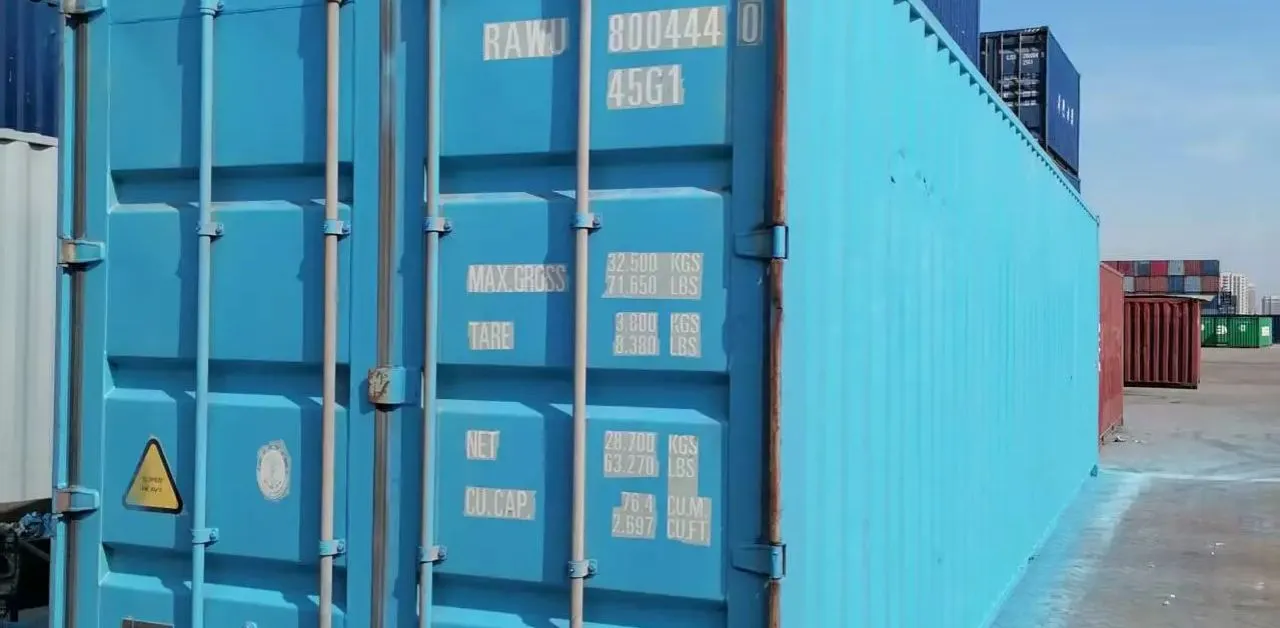
- FCL (Full Container Load): You rent out the full container (20ft or 40ft)
- LCL (Less than Container Load): You use the space in the container to share with other shipments
Air Freight
Air freight is perfect when speed is necessary — such as shipping electronics, medical supplies, or priority online orders.
- Transit Time: 1–3 days
- Cost: More expensive than sea shipping
- Best For: High-value, time-sensitive, or perishable goods
Primary Airports in Japan:
- Narita International Airport (Tokyo)
- Kansai International Airport (Osaka)
- Chubu Centrair International Airport (Nagoya)
Major Cargo Airlines:
- ANA Cargo
- Japan Airlines Cargo
- China Eastern Airlines Cargo
- SF Airlines
Express Courier Services
If you’re sending smaller packages (under 100 kg), couriers like DHL, FedEx, UPS, and EMS offer door-to-door delivery with customs clearance included.
Key Facts:
- Transit Time: 1–5 days
- Best For: Small packages, samples, urgent business papers
- Cost: More expensive per kg than by sea or air
Rail Freight
Less typical for Japan than for Europe, but a few operators transport by rail to a Chinese port and then by sea to Japan. More specialist and usually with some logistics companies.
China to Japan Shipping Prices
The cost of shipping goods from China to Japan is influenced by a wide range of factors. Prices vary depending on the chosen mode of transport, shipment volume and weight, port locations, seasonal demand, and additional services such as insurance or customs handling.
Understanding these cost drivers helps importers budget effectively and select the most economical option without compromising delivery timelines. Shipping price varies on a large number of factors:
Principal Factors Which Impact Cost:
- Shipping Mode: Sea freight less expensive per kg compared to air or courier.
- Weight & Volume: The heavier and bulkier, the higher.
- Container Size: FCL (Full Container Load) vs. LCL (Less than Container Load) prices vary.
- Incoterms: Controls who pays for what (FOB, CIF, EXW, etc.).
- Port Fees: Origin port and destination port fees.
- Fuel Surcharges: Vary with international oil prices.
Example Price Ranges (2025 Estimates):
- Sea Freight FCL (20ft container): $400 – $1,000
- Sea Freight LCL: $40 – $70 per CBM
- Air Freight: $4 – $8 per kg
- Express Courier: $7 – $15 per kg
Shipping Documents Required
When exporting products from China to Japan, having the correct documentation is essential to ensure smooth customs clearance and prevent costly delays.
Japanese customs authorities require accurate paperwork to verify product classification, origin, and value before goods are released.
Common documents include the Bill of Lading or Airway Bill, Commercial Invoice, Packing List, and Certificate of Origin.
Depending on the product type, additional permits or inspection certificates may also be required.
Proper preparation of these documents not only speeds up the clearance process but also helps businesses avoid penalties, unexpected duties, or shipment rejections at the border.
Important Documents Are:
- Bill of Lading (B/L) – for sea shipping
- Air Waybill (AWB) – for air transport
- Commercial Invoice
- Packing List
- Certificate of Origin (if necessary)
- Import/Export Licenses (for controlled items)
- Insurance Certificate (if necessary)
Customs Clearance in Japan
Japan Customs enforces strict import procedures to ensure compliance with trade regulations, safety standards, and tax requirements.
Accurate documentation and the proper use of Harmonized System (HS) codes are crucial for smooth and timely clearance. Importers must declare goods correctly, pay applicable duties and consumption tax, and provide any additional permits for restricted items.
Errors in paperwork or misclassification can result in delays, fines, or even seizure of goods.
By preparing documents carefully and working with experienced customs brokers or freight forwarders, businesses can streamline the clearance process and ensure faster entry of goods into Japan.
Steps in Customs Procedure:
- Document Submission: Submit invoices, packing list, and permits.
- Payment of Duties & Taxes: Tariffs are imposed by Japan product category-wise.
- Inspection (if necessary): Random or selective cargo inspection.
- Released for delivery: Cargo Release.
- Average Customs Clearance Time: 1–3 days (it can be prolonged if inspections are done)
Duties & Taxes in Japan
All imports into Japan are subject to customs duties and the national Consumption Tax (VAT equivalent), which must be paid before goods are released.
Duty rates vary depending on the product type and its HS code classification, while consumption tax is generally applied at 10% of the total landed cost (CIF + duties).
Certain goods, such as agricultural products or luxury items, may face higher tariffs or additional levies.
Importers can also benefit from Japan’s trade agreements, which may reduce or eliminate duties for qualifying products.
Understanding these charges helps businesses budget accurately and avoid unexpected expenses.
Japan is imposing:
- Customs Duty: Product HS code-based
- Consumption Tax: 10% at present (charged on CIF value + duty)
- Other Charges: Quarantine inspection charges for certain products
- Tip: Approximate duties via the Japan Customs Tariff Schedule prior to shipping.
How Long Does It Take to Send from China to Japan?
Shipping times from China to Japan are relatively fast due to their close proximity and frequent trade routes.
However, the actual duration depends on the mode of transport—sea, air, or courier—and may also be affected by customs clearance, port schedules, and seasonal demand.
Estimated Transit Times:
- Sea Freight: 3–7 days (port to port)
- Air Freight: 1–3 days
- Courier: 1–5 days
Note: Customs clearance, inland haulage, and public holidays (e.g., Chinese New Year, Golden Week) add to delivery time.
Selecting the Right Freight Forwarder
A good freight forwarder will:
- Handle all shipping documents
- Recommend best shipping route
- Coordinate customs clearance
- Offer cargo tracking
Top Things to Consider When Choosing a Forwarder:
- China–Japan shipping experience
- Competitive pricing
- Honorable communication
- Reputation & feedback
Tips for Cheaper & Faster Shipping
- Book in Advance: Avoids peak season surcharges (prior to Chinese New Year, Christmas, etc.).
- Consolidate Shipments: Saves cost via consolidated shipping.
- Use FOB Terms: Allows greater control of freight arrangements.
- Avoid Restricted Items: Prevents customs delays.
- Provide Correct HS Codes: Avoids incorrect calculation of duty.
Errors to Shun
- Incomplete Documentation: Provokes delays in clearance.
- Misdeclaring Cargo Value: Risks penalties.
- Failing to Account for All Charges: Always include port fees, taxes, and surcharges.
- Choosing the Incorrect Shipping Mode: Use a cost-speed balance.
Green Shipping Between China and Japan
With increasing environmental awareness, most companies are:
- Choosing eco-efficient ships
- Employing reduced volume optimized packaging
- Investigating carbon offset schemes
Conclusion
Shipping China to Japan is efficient and quite fast in comparison to further-flung trade routes.
Proper choice of mode (sea, air, or courier), proper paperwork, and coordination with an able freight forwarder enable you to save costs, avoid delays, and provide guaranteed delivery.
Regardless of whether you are shipping a few packages or full container loads, knowing Japan’s customs procedure and shipping schedules is key to success in this highly trafficked trade route.
References
Japan Customs. (2024). Import Procedures.