China is the Philippines’ largest trading partner, supplying everything from electronics and machinery to cosmetics, textiles, and industrial goods.
As a businessperson, an importer, or an entrepreneur, it matters to understand how to ship from China to the Philippines efficiently in order to keep your supply chain running smoothly and your costs in line.
This tutorial, Shipping from China to Philippines, will guide you through all you need to know in 2025—shipping mode, timeline, customs clearance, freight charge, documents, and how not to delay.
Why Ship from China to the Philippines?
Shipping from China to the Philippines remains a popular choice for businesses due to China’s role as a global manufacturing hub and the Philippines’ growing consumer market.

Importers benefit from a wide range of affordable products, from electronics to textiles, directly sourced from reliable Chinese suppliers.
Efficient shipping routes, improved logistics infrastructure, and established trade agreements further simplify the process, making it easier to move goods quickly and cost-effectively.
Understanding the reasons for shipping from China helps businesses plan better, choose the right transportation methods, and ensure timely delivery to meet growing market demands.
Beneficial Trade Relations
China is always the Philippines’ top import source. China imports alone for the year 2024 amounted to over $30 billion USD, and thus it is a major source for acquiring cheap and diversified goods.
Strategic Location
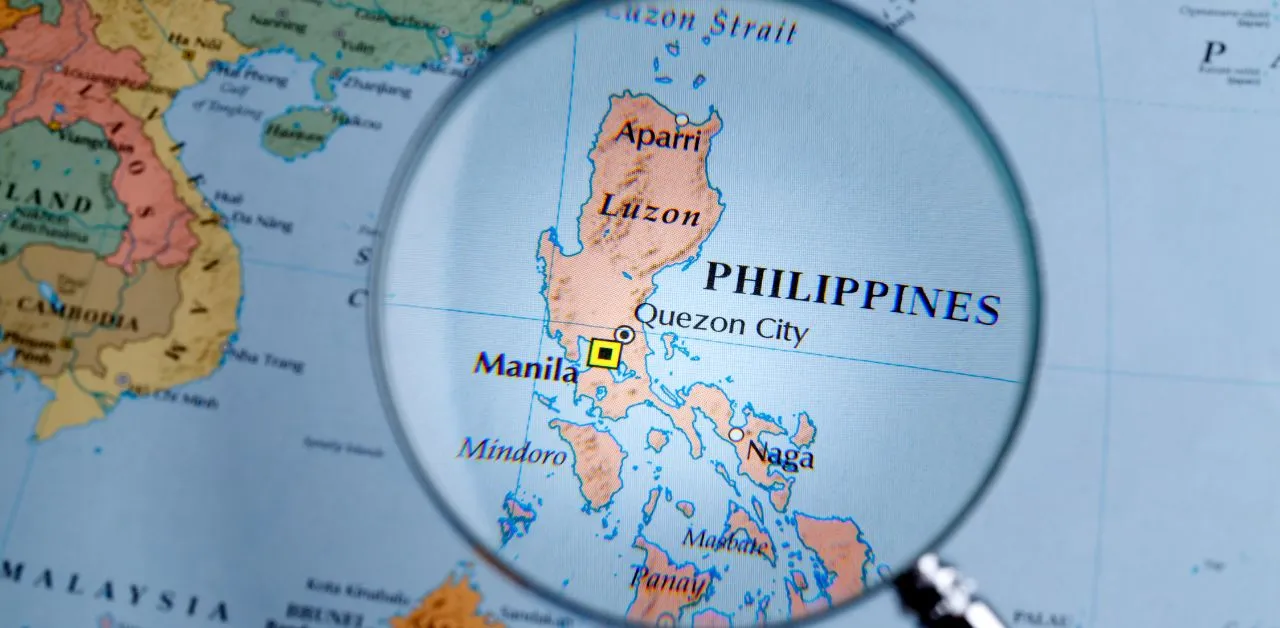
The close geographical location of Chinese ports in southern China (i.e., Guangzhou, Xiamen, and Shenzhen) to Philippine ports (i.e., Manila, Cebu, and Davao) provides quick sea and air transport facilities over imports from the USA or Europe.
Broad Product Scope
From bulk industrial consignments to small e-commerce parcels, there are vast Philippine business opportunities for sourcing in China.
Major Shipping Modes
When shipping goods from China to the Philippines, selecting the right transportation mode is crucial to balance cost, speed, and cargo type. The most commonly used shipping modes include sea freight, air freight, and express courier services.
Sea freight is ideal for large, heavy, or non-urgent shipments, offering cost-efficiency for bulk goods.
Air freight provides faster delivery for time-sensitive products, albeit at a higher cost.
Express couriers cater to small parcels and urgent shipments, ensuring door-to-door convenience.
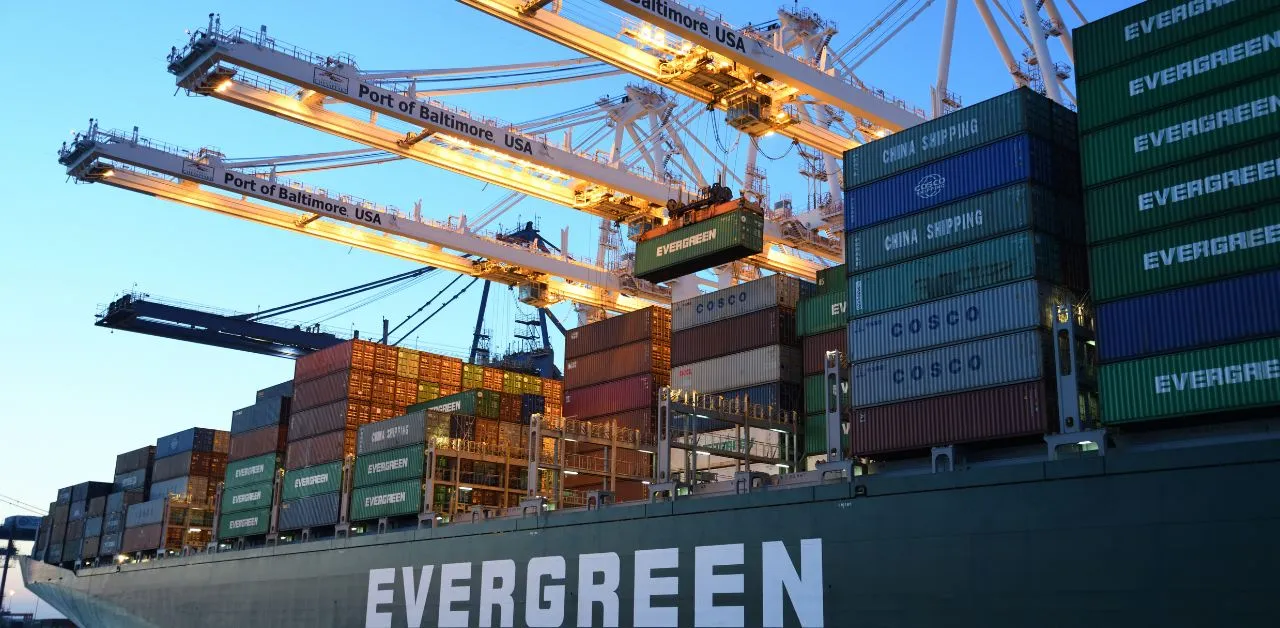
Choosing the appropriate mode depends on your budget, delivery timeline, and the nature of your cargo.
Transportation to the Philippines from China is usually in three main modes of transport: sea freight, air freight, and courier/express delivery.
Based on your budget, quantity of cargo, and urgency.
Sea Freight
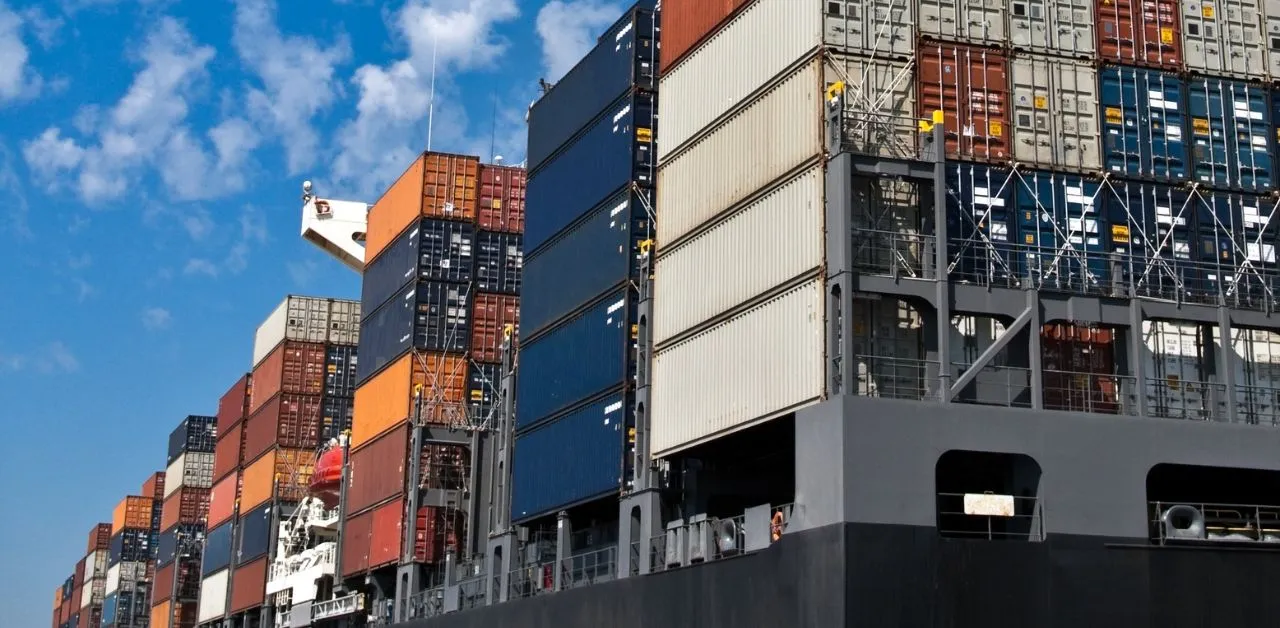
Sea freight is the most traditional and cost-effective way of shipping bulk or large cargo.
- FCL (Full Container Load) – You rent a whole container (20ft or 40ft). Applicable in transporting more than 15 cubic meters of freight.
- LCL (Less than Container Load) – You share a space in a container with other importers. Cost-effective for small quantities of 1–15 cubic meters.
Transit time: 5–12 days (port-to-port), depending on the departure and arrival ports.
Ideal for: Bulk purchase, non-perishable goods.
Most Popular Routes:
- Shenzhen → Manila
- Xiamen → Cebu
- Guangzhou → Davao
Air Freight
Air freight is quicker but costly.
- Standard Air Cargo: Transported by commercial airlines or cargo planes.
- Charter Flights: For very urgent or large-volume air freights.
- Transit time: 1–5 days (airport-to-airport).
- Best for: Time-sensitive high-value items such as electronics or fashion goods.
Courier/Express Shipping
Express couriers such as DHL, FedEx, UPS, and SF Express are the quickest for delivery of small packages (less than 100kg).
- Transit time: 2–5 days door-to-door.
- Best for: Express small parcel shipping, e-commerce shipping, or shipping samples.
Key Philippine Ports & Airports
Clearing customs is a crucial step when importing goods into the Philippines. Importers must comply with regulations set by the Bureau of Customs (BOC) to ensure smooth entry of shipments.
Proper documentation, accurate declaration of goods, and adherence to taxes and duties are essential to avoid delays, fines, or confiscation.
Understanding the customs process helps businesses plan logistics efficiently, minimize costs, and ensure timely delivery of products from China to the Philippine market.
Major Seaports
- Port of Manila – Principal international container port.
- Port of Cebu – Services Visayas region.
- Port of Davao – Services Mindanao and southern Philippines.
Principal Airports
- Ninoy Aquino International Airport (MNL) – Manila.
- Mactan-Cebu International Airport (CEB) – Cebu.
- Francisco Bangoy International Airport (DVO) – Davao.
Shipping Time from China to the Philippines
Understanding shipping time from China to the Philippines is essential for effective supply chain planning.
Transit durations vary depending on the chosen shipping method—sea, air, or courier—as well as the ports or airports of origin and destination.
Sea freight, while cost-effective for bulk shipments, typically takes longer, whereas air freight offers faster delivery for urgent cargo.
By knowing estimated transit times, importers can better manage inventory, meet customer expectations, and optimize overall logistics for smooth and timely delivery of goods.
| Mode | Estimated Transit Time |
| Sea Freight (FCL) | 5–10 days |
| Sea Freight (LCL) | 7–12 days |
| Air Freight | 1–5 days |
| Express Courier | 2–5 days |
Tip: Transit time does not include customs clearing and domestic delivery. Always add an additional 2–5 days for such processes.
Shipping Cost (2025 Estimates)
Understanding shipping costs from China to the Philippines is essential for budgeting and logistics planning.
Costs vary depending on the shipping method—sea freight, air freight, or express courier—as well as the size, weight, and urgency of the shipment.
Sea freight is generally the most economical for bulk goods, while air freight and express services provide faster delivery at higher rates.
Additional factors such as seasonal demand, fuel surcharges, and port fees also influence the final cost.
Being aware of these estimates helps businesses choose the most cost-effective shipping option and plan their import strategy efficiently. Shipping cost depends on:
- Shipment weightysize
- Incoterms (FOB, CIF, DDP, etc.)
- Mode of transport
- Seasonal demand
Sea Freight (FCL) – $700–$1,200 per 20ft container; $1,200–$1,800 per 40ft container.
Sea Freight (LCL) – $40–$70 per cubic meter.
Air Freight – $5–$8 per kg.
Express Courier – $6–$10 per kg (all-inclusive door-to-door).
Note: Prices vary with fuel, shipping line frequencies, and global demand.
Documents Needed to Import
In importing from China to the Philippines, you need to prepare the following:
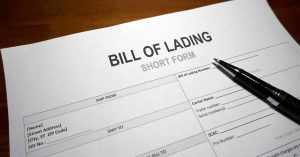
- Bill of Lading (Sea) or Air Waybill (Air)
- Commercial Invoice
- Packing List
- Import Permit (for controlled products)
- Certificate of Origin
- Philippine Customs Import Entry Declaration
- Product-specific certificates (e.g., FDA clearance for cosmetic or food products)
Customs Clearance in the Philippines
Philippine customs are administered by the Bureau of Customs (BOC).
Steps are:
Submission of documents through the BOC’s Electronic-to-Mobile (E2M) System.
- Customs Clearance – Examination and valuation of goods.
- Payment of duties and taxes.
- Release of cargo.
Import Duties & Taxes:
- Customs Duty: 0–30% depending on HS code.
- Value-Added Tax (VAT): 12% of landed cost.
- Excise Tax: Tax on certain commodities such as alcohol and tobacco.
Common Challenges & How to Avoid Delays
Errors in documentation
Inaccurate or incomplete documents delay. Always double check with your freight forwarder.
Peak Season Congestion
Chinese New Year and Christmas are peak shipping periods immediately prior to these times. Book in advance to secure space.
Inspection by Customs
Risk-based or random inspections may cause delay in clearance. Engage a good customs broker.
Selecting the Right Freight Forwarder
A freight forwarder coordinates everything from pickup in China right up to delivery in the Philippines.
Consider:
- Experience on China–Philippines route
- Open pricing
- Responsive customer service
- Customs brokerage services
Step-by-Step Shipping Process
- Confirm order with China supplier.
- Select shipping mode based on cost, volume, and urgency.
- Book freight with freight forwarder.
- Prepare documents (invoice, packing list, permits).
- Pickup and delivery of goods to port/airport.
- Export customs clearance in China.
- International transportation to the Philippines.
- Import customs clearance in the Philippines.
- Final delivery to your warehouse or address.
Cost-Saving Tips
- Ship in bulk to get better freight rates.
- Use FCL if volume is above 15 cubic meters.
- Avoid peak season if possible at any price.
- Obtain multiple forwarder quotes to compare.
- Stack LCL shipments to avoid handling charges.
Conclusion
It’s easy to import from China to the Philippines if you are aware of the frequency, options, rates, and paperwork.
Whether you are an importer with a large-player business or a small e-commerce firm, it will save you money, prevent delays, and keep your business up and running if you are ready for logistics.