

China is also a leading exporter in the world, exporting many diversified products to Africa.
Of all African countries, Kenya is the best destination for Chinese exports. Whether it’s electronics and machinery or textile and household items, tens of thousands of parcels are traded between the two nations each year.
From electronics and machinery to textiles and household items, the bilateral flow supports manufacturing, retail, and consumer markets on both sides. Each year, tens of thousands of parcels travel between China and Kenya, underscoring the depth of economic collaboration.
As African markets expand, Chinese exporters continue to adapt, offering competitive pricing, reliable logistics, and tailored solutions to meet regional needs.

To Kenyan buyers whether small businesses or large companies, knowledge of the nitty-gritty of shipping from China to Kenya is crucial in order to reap cost savings, speed, and compliance with trade terms.
This guide, Shipping from China to Kenya, highlights all you’d like to know about shipping from China to Kenya, from shipping process to transit duration, customs clearance, fees, and advice to importers.
Why Import from China to Kenya?
Before diving into logistics, it’s helpful to understand why China is Kenya’s largest trading partner. Strong economic growth in both countries, expanding consumer markets, and a large, diversified manufacturing base in China translate into abundant sourcing options, competitive pricing, and reliable supply.
Kenya benefits from access to a wide range of goods—from electronics and machinery to textiles and household items—while China gains from Africa’s growing demand for consumer goods, infrastructure materials, and industrial inputs.
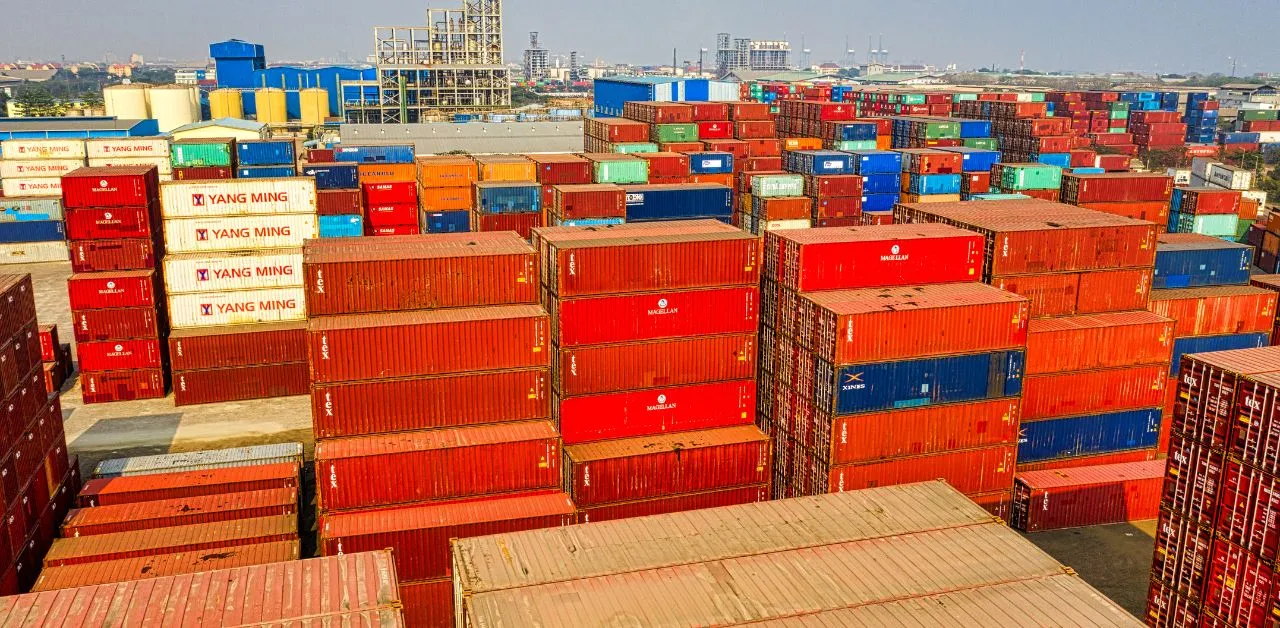
This dynamic fosters complementary supply chains, fosters job creation, and supports broader regional development.
- Competitive Pricing – Chinese manufacturers offer low-cost production, and Kenyan companies are able to obtain cheap products.
- Broad Product Variety – China produces almost everything: electronics, clothing, industrial equipment, automobile parts, construction materials, and more.
- Efficient Manufacturing – Most manufacturers can handle large orders quickly due to advanced supply chain systems.
- Improved Trade Relations – Kenya and China maintain good diplomatic as well as trade relations, thus improving importing.
Principal Shipping Mediums from China to Kenya
When importing from China to Kenya, choosing the right shipping medium hinges on urgency, cargo type, and total cost. Each option offers different balances of speed, capacity, and risk, enabling buyers to align logistics with inventory needs and budget.
Understanding these mediums helps importers optimize cash flow, minimize lead times, and maintain reliable supply.
There are three principal shipping mediums that importers have at their disposal, depending on urgency, type of cargo, and cost.
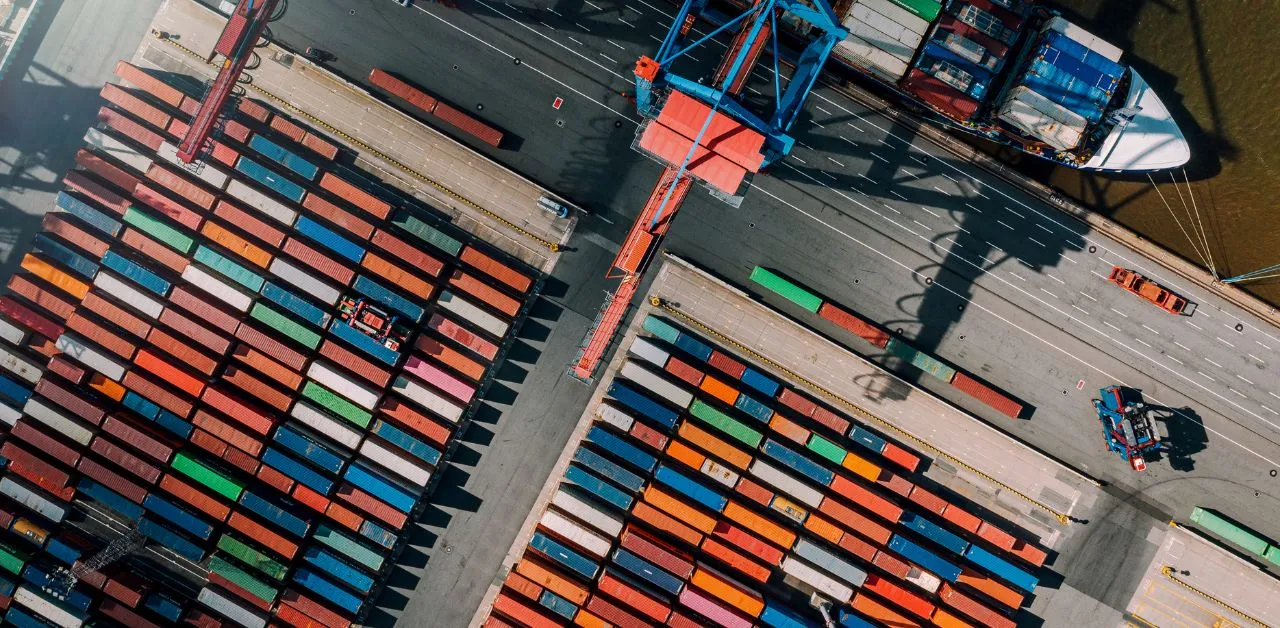
- Sea Freight (Ocean Transport)
Best suited for: Heavy and bulk cargo, bulk shipments, and price-sensitive importers.
Time of Delivery: Around 25–40 days.
Strengths:
- Lowest per kilogram for bulk shipments.
- Can transport bulky and oversized commodities.
Disadvantages:
- Long transit time.
- Potential port congestion.
The primary sea routes connect China’s key ports (Shanghai, Shenzhen, Guangzhou, Ningbo, Qingdao) to Kenya’s Port of Mombasa.
From the Port of Mombasa, cargo can be transported either by road or railway inland to Nairobi and the rest of the nation.
- Air Freight
- Best suited for: Time-critical shipment, electronics, perishables, and small loads.
- Transit Time: 5–10 days.
Advantages:
- Faster than via the ocean.
- Guaranteeing safe handling of sensitive or valuable cargo.
Limitations:
- More expensive per kilogram.
- Weight and volume limitations.
Air freight usually arrives at Jomo Kenyatta International Airport (JKIA) in Nairobi, the nation’s primary cargo center.
- China–Africa rail freight via sea route
While there is no direct railway link between Kenya and China, there is rail transport following sea delivery in Mombasa. Mombasa is linked to Nairobi by the Standard Gauge Railway (SGR), then fast inland distribution.
- Courier / Express Shipping
- Best for: Documents, small parcels, and e-commerce.
- Transit Time: 5–7 days.
- Operators: DHL, FedEx, UPS, Aramex, SF Express.
- Strengths: Door-to-door delivery, tracking, reliability.
- Weaknesses: Heavy loads are costly.
Approximate Shipping Times
- Sea Freight: 25–40 days (port and customs clearance dependent).
- Air Freight: 5–10 days.
- Express Courier: 5–7 days.
Shipping Cost from China to Kenya
Shipping cost is driven by a multitude of factors that influence the total landed cost from origin to destination.
Understanding these drivers helps importers budget accurately, compare quotes, and optimize routes and service levels to fit their inventory and cash-flow needs.
From origin fees to inland transportation, each element adds to the final price, and small changes in one area can have a meaningful impact on total cost. Shipping cost is based on a multitude of factors:
- Mode of Transport – Sea freight is less expensive than air freight.
- Weight and Volume – Airfreight is weight-based, whereas sea freight is based on CBM (Cubic Meter).
- Route and Port Selection – There are direct flights from certain Chinese ports to Mombasa, which is less expensive.
- Incoterms – Incoterms such as FOB (Free on Board) or CIF (Cost, Insurance, Freight) indicate who pays for the freight and insurance.
- Seasonal Demand – Freight prices increase during seasonal peak trading periods such as Chinese New Year or school reopening seasons.
Shipping Cost Quotes Example:
- Sea Shipping: $50-$100 per CBM.
- Air Shipping: $5-$8 per kg depending on cargo type.
- Express Shipping: $15-$25 per kg.
Customs Clearance in Kenya
Importing goods into Kenya requires strict compliance with established customs regulations.
Customs clearance is one of the most critical steps in this process, ensuring that imported goods meet the requirements of the Kenya Revenue Authority (KRA) and the Kenya Bureau of Standards (KEBS).
Proper clearance not only prevents costly delays but also safeguards businesses from penalties, confiscation, or rejection of shipments.
Understanding the procedures and documentation involved is essential for importers seeking smooth entry of goods into the Kenyan market..
Major Requirements:
- Import Declaration Form (IDF) – Mandatory for all imports.
- Certificate of Conformity (CoC) – To confirm that products are in conformity with Kenyan standards of quality.
- Commercial Invoice & Packing List – For customs valuation.
- Bill of Lading / Airway Bill – Evidence of shipment.
- Tax Identification Number (PIN) – For payment of import tax and duties.
Import Duties and Taxes:
- Customs Duty: 0%–25% based on type of product.
- VAT: 16% standard rate.
- Excise Duty: Levied on some items (tobacco, alcohol, etc.).
- Import Declaration Fee (IDF): 2.25% CIF value.
- Railway Development Levy (RDL): 1.5% CIF value.
Top Chinese Ports to Ship to Kenya
- Shanghai Port – busiest in the world and best suited for containerized cargo.
- Shenzhen Port – close proximity to Guangdong manufacturing bases.
- Ningbo Port – energy port with good route to Africa.
- Guangzhou Port – easy access to electronics and apparel
- Qingdao Port – power bulk cargo terminal.
Best Kenyan Ports and Airports
- Port of Mombasa – principal seaport of Kenya and East Africa.
- Jomo Kenyatta International Airport (Nairobi) – principal air cargo port.
- Moi International Airport (Mombasa) – Standby air freight entry point.
Challenges Importers Are Confronted With
While Kenya offers a dynamic and promising market for global trade, importers often encounter a range of challenges during the clearance and importation process.
From navigating complex documentation requirements to dealing with unpredictable delays at ports of entry, these obstacles can significantly affect timelines, costs, and overall business operations.
Importers must also adapt to frequent policy changes, compliance demands from regulatory bodies such as the Kenya Revenue Authority (KRA) and the Kenya Bureau of Standards (KEBS), and logistical issues that arise in transportation and warehousing.
Understanding these challenges is essential for businesses to prepare adequately, mitigate risks, and maintain efficiency in their supply chain.
- Delays in Shipping – Resulting from Chinese or Kenyan ports’ congestion.
- Hidden Fees – Fines for demurrage, storage, and penalty for failure to comply with customs regulations.
- Unscrupulous Suppliers – Risk of fraud when buying from unscrupulous suppliers.
- Complicated Customs Procedures – Misdescription results in fines.
- Fluctuation of Exchange Currency Rates – Impacts overall cost of imports.
Tips to Ship Successfully from China to Kenya
China remains one of Kenya’s largest trading partners, supplying a wide range of products from electronics and machinery to textiles and consumer goods.
However, ensuring that shipments from China reach Kenya smoothly requires more than just placing an order—it involves strategic planning, compliance with Kenyan import regulations, and careful coordination with reliable logistics partners.
Successful shipping depends on understanding customs requirements, choosing the right shipping method, preparing proper documentation, and anticipating potential challenges that may arise along the supply chain.
By following practical tips, importers can minimize delays, reduce costs, and build a more efficient import process.
- Use a Reliable Freight Forwarder – They handle logistics, customs, and compliance.
- Consolidation of shipments – Expensive but packs goods into a single container.
- Know Incoterms – Identify whether your supplier or you are assuming shipping responsibility.
- Plan Ahead – Steer clear of peak seasons to prevent cost and delay savings.
- Employ Pre-Shipment Inspection – Inspect quality before goods are shipped out of China.
- Track Shipments – Leverage platforms and technology for real-time tracking.
Conclusion
Shipping from China to Kenya is remunerative for importers but needs meticulous planning, knowledge of shipping mode, customs rule, and cost control.
If you choose sea shipping for large volumes, air shipping for urgent shipments or courier service for low volume, success depends on controlling quality freight forwarders and suppliers.
Success ultimately depends on working with reliable freight forwarders, ensuring supplier accountability, and maintaining compliance with Kenyan import rules.
With the right strategy and trusted partners, businesses can streamline their shipping operations, avoid unnecessary delays, and maximize returns in the thriving Kenya-China trade corridor.
By knowing shipping cost, travel time, and regulation, the business is better able to reduce risk and maximize gain.
With the development of Kenya’s economy and good trade relations with China, effective logistics management can be a business-turner for you.
References
Kenya Revenue Authority (KRA) – Importing and Exporting
Kenya Bureau of Standards (KEBS) – Pre-Export Verification of Conformity
Port of Mombasa – Kenya Ports Authority (KPA) – Official Website
International Trade Centre – Kenya-China Trade Statistics
World Shipping Council – Global Port Rankings
Freightos – Shipping Cost Data