India and China are both among the world’s fastest-growing economies and have been engaging in business for a long time.
Their trade with each other has grown numerous times in the last few decades, and China has become one of the largest trade partners of India.
Two-way trade between the two nations exceeded $135 billion in 2023, with most of them being Chinese imports, as per the Ministry of Commerce and Industry (India).
For Indian companies—large or small shopkeepers—shipping out from China to India is central to the realization of supply chain efficiency.
China ships from consumer electronics, machines, and chemicals and textiles to furniture, toys, and raw materials, driving India’s industry and retail segments in quantities of hundreds of thousands.
But shipping abroad is complicated. There are several shipping modes, regulations, transit time, customs clearance, and costs involved.
This whole guide, Ship from China to India, covers everything you need to know about import from China to India, covering logistics options, documents, costs, issues, and savvy tips for hassle-free operations.
Why Import from China to India?
India’s strong trade relationship with China makes it one of the largest importers of Chinese goods.
From electronics and machinery to textiles and consumer products, businesses import from China due to its competitive pricing, diverse product range, and large-scale manufacturing capacity that supports both SMEs and large enterprises.
Before getting into the process of shipping, it is important to recognize why Indian businesses import from China:
- Competitive Pricing – Economies of scale and large-scale production in China enable the producers to offer their products at a lesser cost in relation to most other nations.
- Extensive Line of Products – From machinery to textiles, electronics, or anything, China has almost all types of product ranges.
- Smooth Supply Chain – China boasts highly efficient production centers with efficient logistics and worldwide export networks.
- Private Label and OEM Options – Most Chinese factories have private-label and OEM facilities.
Shipping efficiency refers to how smoothly and cost-effectively goods move from one country to another.
When imports from China to India are managed efficiently, businesses save on logistics costs, avoid delays, and ensure goods arrive in good condition.
This directly increases profit margins while keeping products available to customers on time. On the other hand, poor shipping efficiency leads to delays, higher expenses, and dissatisfied buyers.
Therefore, achieving maximum profits and customer satisfaction depends heavily on choosing the right shipping methods, routes, and partners to make the supply chain reliable and cost-effective.
Principal Shipping Routes from China to India
China and India’s close geographical proximity, especially along the Indian Ocean belt, makes shipping between the two countries relatively straightforward.
Most shipments travel by sea routes that connect major Chinese ports such as Shanghai, Shenzhen, and Ningbo to India’s primary gateways, including Mumbai, Chennai, and Kolkata.
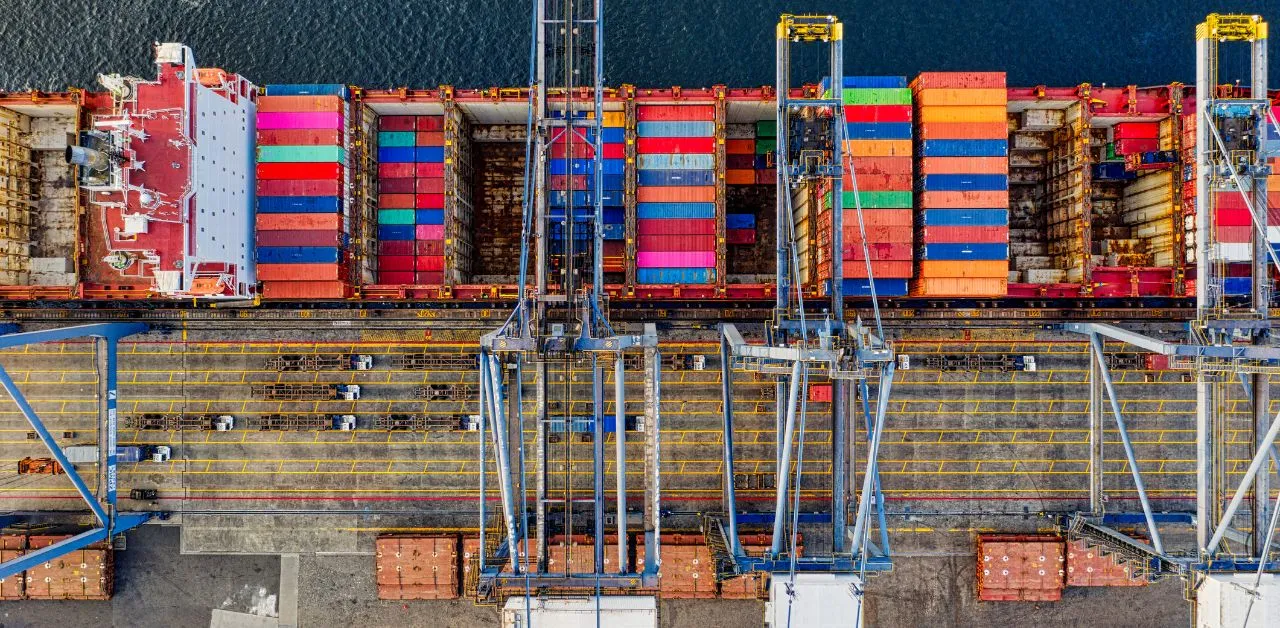
These established routes support the massive trade volume between the two nations, enabling both containerized and bulk cargo to move efficiently.
The accessibility of these maritime corridors not only reduces transit times but also helps keep shipping costs competitive, making them the most preferred choice for businesses engaged in cross-border trade. Correspondingly, there are several shipping routes:
Sea Freight Routes
Sea transport is the most popular bulk cargo method. Primary Chinese ports are:
- Shanghai
- Shenzhen
- Ningbo-Zhoushan
- Guangzhou
- Qingdao
Cargo is typically exported to key Indian ports like:
- Nhava Sheva (Jawaharlal Nehru Port, Mumbai) – India’s largest container terminal.
- Chennai Port – South Gateway.
- Kolkata Port – gateway port of East and Northeast India.
- Mundra Port (Gujarat) – privately run and very efficient.
Air Freight Routes
Air freight is quicker but pricier. Chief Chinese airports:
- Shanghai Pudong International Airport (PVG)
- Beijing Capital International Airport (PEK)
- Guangzhou Baiyun International Airport (CAN)
Most visited Indian airports for cargo:
- Indira Gandhi International Airport, Delhi (DEL)
- Chhatrapati Shivaji Maharaj International Airport, Mumbai (BOM)
- Kempegowda International Airport, Bangalore (BLR)
- Chennai International Airport (MAA)
Shipping Options: Sea vs. Air vs. Rail
When importing from China to India, businesses can choose from sea, air, or rail freight depending on budget, urgency, and type of goods. Sea freight is the most common, offering cost efficiency for bulk shipments.
Air freight is faster but more expensive, ideal for urgent or high-value cargo. Rail freight, though less common, is gaining traction through China’s Belt and Road Initiative, providing a balanced option in terms of speed and cost.
Understanding the advantages and trade-offs of each shipping method allows importers to align logistics with business needs while optimizing costs and delivery times.
Sea Freight
- Ideal for: Bulky, heavy, or large consignments.
- Transit time: 15–30 days depending on route.
- Cost: Most cost-effective for consignments of 1 cubic meter or more than 100 kg.
Options:
- FCL (Full Container Load) – Whole container for your products.
- LCL (Less than Container Load) – Collective usage of the container, best suited for small shipments.
Air Freight
- Best for: Timely sensitive, high-value, or light shipments.
- Transit time: 3–7 days.
- Cost: Higher, but guarantees speed and security.
- Choices: Express couriers (DHL, FedEx, UPS) for small parcels, or commercial air freight for bulk commodities.
Rail Freight
Though rail transport between Europe and China is well developed, rail connectivity between China and India is geographically and politically constrained. Sea and air are the preponderant modes currently.
Transit Time from China to India
Transit time plays a crucial role in international trade between China and India, as it directly affects supply chain efficiency, inventory management, and overall costs.
Depending on the shipping mode chosen—sea, air, or rail—the duration can vary significantly.
Understanding these timelines helps businesses make smarter logistical decisions and meet customer demands effectively.
| Shipping Method | Average Transit Time |
| Sea Freight (FCL) | 15–25 days |
| Sea Freight (LCL) | 20–30 days |
| Air Freight | 3–7 days |
| Express Courier | 2–5 days |
Weather, port congestion, customs clearance, and shipping line schedules determine transit times.
Freight Charges from China to India
Freight charges form one of the most critical aspects of importing goods from China to India. The overall shipping cost depends on several factors, including the mode of transport, cargo volume, weight, type of goods, and prevailing market conditions.
Sea freight is usually the most cost-effective for bulk shipments, while air freight offers faster but more expensive options.
Rail freight, though limited, provides a middle ground in terms of cost and speed. Having a clear understanding of these charges allows businesses to budget effectively and choose the most efficient shipping method.
Freight charges are based on:
- Weight and volume of merchandise (charged by cubic meter or kg).
- Mode of shipping (sea is cost-effective, air is quicker).
- Port of departure and arrival.
- Length of season (peak season raises rates).
- Incoterms employed (FOB, CIF, DDP, etc.).
On average:
- Sea freight (FCL 20 ft container): $700–$1,200.
- Sea freight (FCL 40 ft container): $1,200–$2,000.
- Air freight: $5–$10 per kg.
- Express courier (DHL/UPS): $8–$15 per kg for small packets.
Customs Clearance in India
Customs clearance is an important process for hassle-free shipping.
Important Documents Required:
- Commercial Invoice
- Packing List
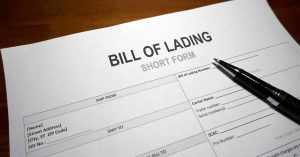
- Bill of Lading (B/L) or Airway Bill (AWB)
- Import Declaration (Bill of Entry)
- Import License (where required)
- HS Code classification of products
- Insurance certificate (where required)
Customs Duties & Taxes:
- Basic Customs Duty (BCD) – Varying depending upon product category.
- Integrated GST (IGST) – Typically 5% to 28%.
- Social Welfare Surcharge – 10% of BCD.
Companies tend to hire customs brokers (freight forwarders) to handle paperwork and ensure compliance to prevent delay.
Common Problems Shipping from India to China
- Customs Delays – Incomplete or incorrect documentation delays by several weeks.
- Port Congestion – Nhava Sheva and other major Indian ports are delayed sometimes due to large volumes.
- Hidden Costs – Demurrage, detention, and storage fees in case of delayed clearance of shipment.
- Language and Communication Barriers – Miscommunication between Chinese suppliers and buyers impacts shipping precision.
- Seasonal Price Fluctuations – Prices skyrocket unexpectedly during Chinese New Year or peak online shopping periods.
Smooth Shipping Best Practices
- Plan Ahead – Reserve shipping slots in advance, particularly peak seasons.
- Select Reputable Freight Forwarders – They handle customs, logistics, and paperwork.
- Negotiate Incoterms Strategically – Define who pays charges and assumes risks.
- Consolidate Deliveries – When buying small lots, consolidate for cost savings.
- Track Shipments – Employ online tools and shipping lines’ tracking facilities.
- Get Insurance – Insure your goods against damage or loss during transit.
Future of China-India Shipping
With China’s exports to India’s “Make in India” movement and expanding consumer market, Chinese imports are still strong.
Supply diversification is also occurring, though. Technological advancements such as blockchain in shipping, freight management with artificial intelligence, and digital customs clearance will make shipping quicker and more transparent.
Furthermore, as regional free trade agreements mature, shipping time and rates between China and India will continue to increase.
Conclusion
China-India shipping matters to companies across every business vertical, from e-commerce to mass production.
While issues such as customs delays, harbor congestion, and rising costs are there, planning and the appropriate freight partners make it a reality.
Awareness of shipping options (air and sea), cost, transit time, and customs process allows companies to make informed cost-reducing and risk-minimizing decisions.
Whether a small reseller selling electronics from China or a big multinational company exporting raw materials, this guide provides a plan for successful and reliable shipping between India and China.
References
Ministry of Commerce & Industry, Government of India – Trade Statistics
World Shipping Council – Shipping Routes & Container Ports
Statista – China-India Trade Data 2023
International Chamber of Commerce – Incoterms Explained
Indian Customs (CBIC) – Import Procedures