Dangerous goods freight forwarder china is the first checkpoint buyers should lock before they approve a supplier, budget, or production slot. This is the reality of choosing a dangerous goods freight forwarder in China. The IMDG Code and IATA DGR set the regulatory framework, but the real operational risk lives in the layers between you and the carrier. A forwarder who holds direct contracts with ocean carriers for DG — like WanSea, which has agreements with eight major lines — can quote accurately and control the booking. One who doesn’t is essentially a broker, and every handoff is a point where documentation can fail, a container can be rejected, or a sailing can be missed. For a hazardous materials logistics buyer, the difference between a certified partner and a generalist is the difference between predictable transit times and a fire drill every time you ship.
Why a Specialized DG Forwarder Is Essential
A general forwarder booking DG cargo without a direct carrier contract is betting your shipment on a subcontractor’s compliance record.
A procurement manager at a chemical trading company once told me his general freight forwarder booked a Class 3 flammable shipment on a spot rate. The carrier rejected the container at the terminal because the DG declaration paperwork was filed under the wrong UN number. The container sat for six days while the forwarder scrambled to find a replacement carrier — at double the original rate. That’s the reality of using a general freight forwarder for hazmat. They don’t hold direct carrier contracts for dangerous goods, so every booking is a spot negotiation with a subcontractor who may or may not have the right IMDG training.
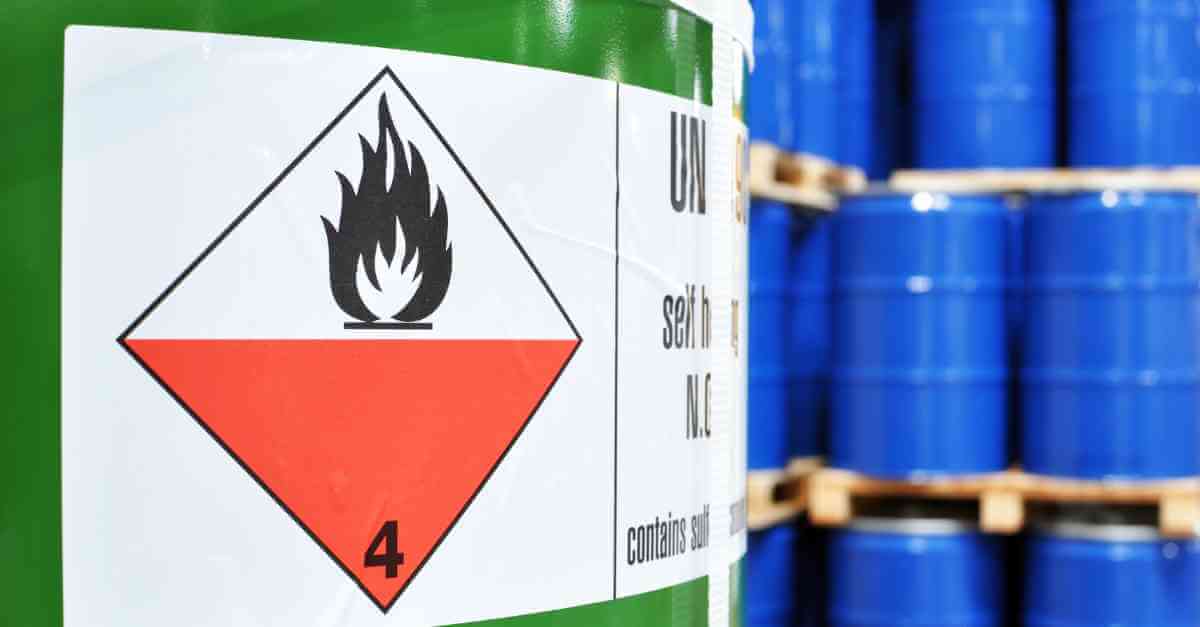
Risks of General Freight Forwarders Handling Hazmat
The subcontractor risk is the biggest blind spot. When a general forwarder subcontracts a DG shipment, they add a margin layer — typically 15–20% on top of the carrier’s base rate. But the real cost isn’t the markup. It’s the loss of control. The subcontractor handles the DG declaration, the container packing certificate, and the emergency response paperwork. If any of those documents are wrong, the cargo gets flagged by customs or the carrier. And the liability? It flows back to the BCO (beneficial cargo owner), not the forwarder who booked the spot rate.
There’s also the training gap. General freight forwarders don’t always employ in-house Dangerous Goods Safety Advisors (DGSAs). The IATA DGR and IMDG Code update every year — packing instructions change, segregation tables shift, and new UN numbers get added. A forwarder who handles DG twice a year won’t catch those updates. A specialized forwarder lives in those regulations daily.
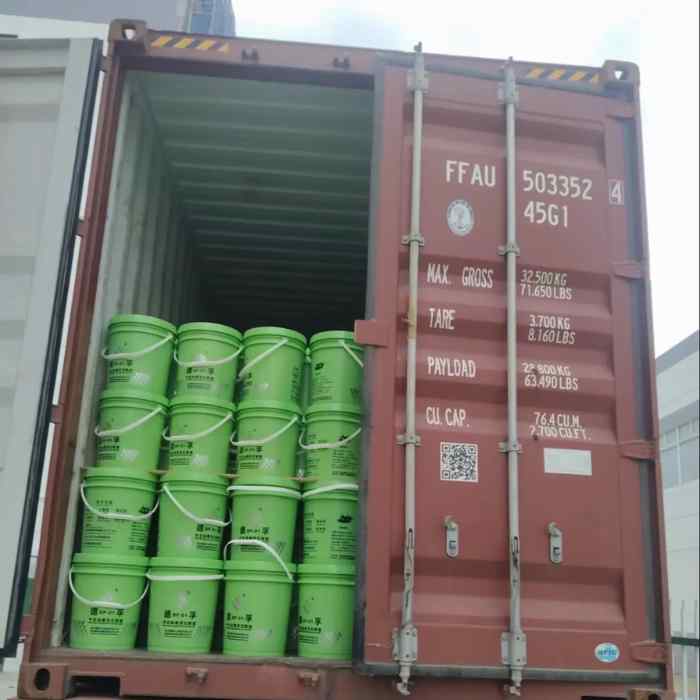
Carrier Agreements vs. Spot Bookings
This is where the difference between a specialized DG forwarder and a generalist becomes a hard dollar figure. A forwarder with direct carrier contracts for DG — like WanSea, which holds direct contracts with 8 major ocean carriers for dangerous goods — gets guaranteed space allocation and negotiated rates. The cost premium for DG shipping over general cargo averages 30–50%. A forwarder with direct contracts absorbs that premium into the base rate. A forwarder without direct contracts adds 15–20% on top as a subcontractor margin, pushing the total premium to 50–70%.
Spot bookings also carry a timing risk. Carriers allocate DG container slots on a limited basis — often 2–3 per vessel. A general forwarder calling for a spot booking two weeks before sailing will likely find those slots already taken by the forwarders who hold annual contracts. The cargo gets rolled to the next vessel, and the buyer eats the delay. For a time-sensitive hazmat shipment — say, lithium batteries destined for a product launch — a two-week roll can cost more than the freight itself.
-
- Direct DG Contract: Guaranteed space, negotiated rates, in-house compliance team. Cost premium: 30–50% over general cargo.
- Spot Booking (Subcontracted): No guaranteed space, 15–20% extra margin, compliance handled by a third party. Cost premium: 50–70% over general cargo.

Evaluation Criteria for DG Forwarders
Certifications are the floor, not the ceiling.
Most buyers start by asking for a forwarder’s certifications. That’s the right instinct, but it only filters out the completely unqualified. The harder question is whether those certificates are backed by actual operational capability. A forwarder can hold an IATA DGR certificate and still subcontract your lithium battery shipment to a third party who misdeclares the cargo. The certificate is on the wall. The risk is on your P&L.
Certifications (IMO, IATA, ADR, China GHS)
For sea freight, the forwarder must have IMDG-certified staff who can sign the dangerous goods declaration. For air freight, IATA DGR training is non-negotiable — especially for lithium batteries, which fall under UN 3480 and UN 3481. ADR covers road transport in Europe. China GHS compliance matters for domestic warehousing and labeling before export. A forwarder who lacks in-house GHS knowledge often mislabels containers, which triggers customs holds at the port.
Carrier Network and Approved Routes
Not every carrier accepts DG containers. Those that do have strict limits on which classes they carry, how many containers per vessel, and which ports they can load from. A forwarder with direct carrier contracts — like WanSea, which holds direct agreements with 8 major ocean carriers for DG — can secure space on approved routes without going through a middleman. Forwarders without those contracts rely on spot bookings, which means your container gets bumped when space tightens.
Safety Record and Incident Reporting
Ask for the forwarder’s DG incident log for the last 12 months. If they hesitate or say they don’t keep one, that’s a red flag. A responsible forwarder tracks every near-miss — misdeclared cargo, leaking packages, labeling errors — and uses that data to tighten procedures. The absence of an incident log usually means they aren’t looking, not that nothing happened.
Pricing Transparency and Hidden Fees
The average cost premium for DG is 30–50% over general cargo. Forwarders without direct carrier contracts often add 15–20% extra subcontractor margins on top of that. You need to see a line-item breakdown: DG documentation fee, hazardous cargo handling charge, port security surcharge, and any special container cleaning fees. If the quote comes as a single lump sum, assume there are hidden costs that will surface after the cargo is booked.
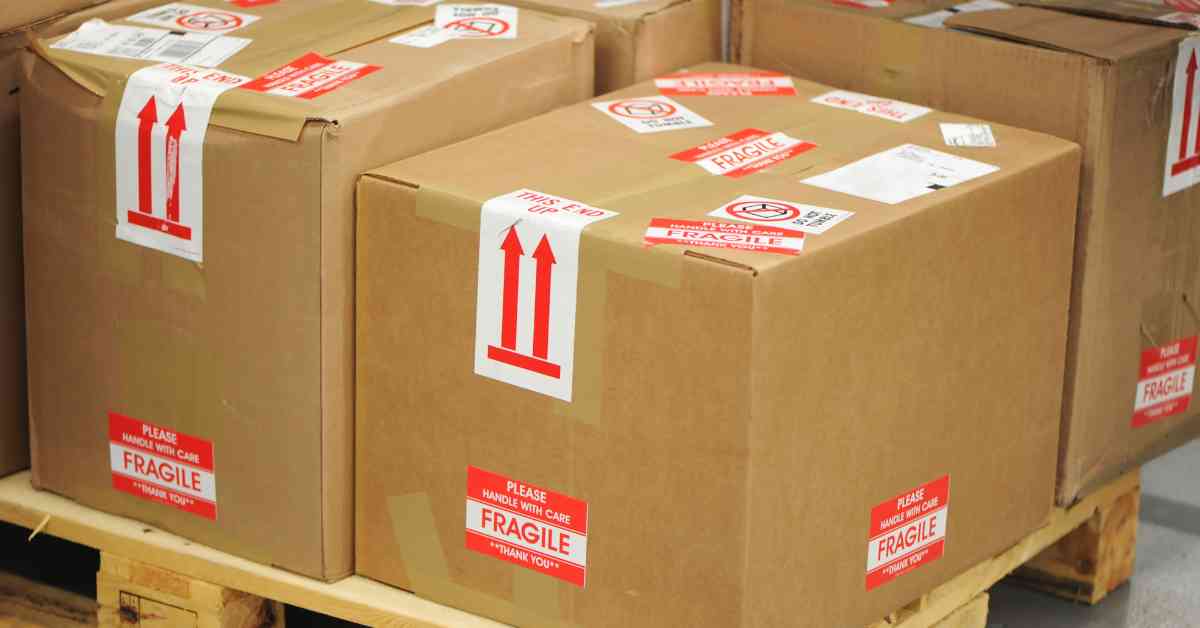
Comparison Table: WanSeaChina vs. Typical Forwarders
Direct carrier contracts for DG shipments are the single biggest risk differentiator between forwarders.
The gap between a forwarder that handles dangerous goods in-house and one that subcontracts to a third party is not a matter of convenience. It is a matter of liability, cost, and control. When a DG shipment passes through three different hands before it reaches the vessel, every hand adds margin, adds delay, and adds a potential point of failure. The question buyers should ask is not whether the forwarder can move hazmat. It is whether they hold direct contracts with ocean carriers for DG cargo.
Direct Contracts vs. Subcontractor Chains
WanSeaChina holds direct contracts with 8 major ocean carriers specifically for dangerous goods. That means your cargo books straight onto the vessel without an intermediary marking up the rate or re-routing your shipment through an unknown operator. Many forwarders quote DG rates based on what their subcontractor tells them, adding 15–20% on top of an already inflated base. You never see the original carrier tariff, and you have no way to verify which vessel actually carried your goods until it is too late.
-
- Cost Impact: DG shipping typically carries a 30–50% premium over general cargo. Without direct contracts, expect another 15–20% in sub-contractor margins stacked on top.
- Risk Exposure: Subcontracted DG moves split responsibility across multiple parties. If something goes wrong — misdeclaration, improper labeling — you have no single accountable partner.
In-House DG Expertise
“IMDG compliant freight forwarder China” is a phrase many companies use loosely. True compliance requires trained staff who understand IATA DGR for air freight, IMDG Code for ocean shipments, and China’s GHS classification system for domestic handling. WanSeaChina employs in-house dangerous goods specialists who review every DG booking before it moves. They check classification accuracy, packaging requirements, labeling standards, and documentation completeness — not because regulations demand it, but because one error can ground an entire container at port.
| Feature | WanSeaChina | Typical Forwarders |
|---|---|---|
| Direct Carrier Contracts for DG | Direct contracts with 8 major ocean carriers for DG | Often subcontract DG to third parties, adding risk |
| In-House DG Safety Advisors | Certified in-house IMO/IATA/ADR experts | May lack dedicated DG compliance staff |
| Cost Premium Transparency | 30–50% DG premium, no hidden subcontractor margins | 30–50% premium + 15–20% extra subcontractor fees |
| Safety Record & Incident Reporting | Published safety KPIs, proactive incident reporting | Limited or no public safety data |
| Emergency Response Plan | 24/7 emergency response for DG shipments | Often no dedicated emergency plan |
Red Flags to Avoid
A quote 30% below market for DG cargo is a red flag, not a deal.
A rate that looks too good to be true almost always is. The average cost premium for dangerous goods shipping is 30–50% over general cargo. A forwarder quoting below that range is likely cutting corners on documentation, packaging compliance, or insurance. The real cost shows up later — in a detained container, a rejected booking, or a fine from Chinese customs.
Unrealistically Low Rates
Forwarders without direct carrier contracts add 15–20% in subcontractor margins on top of the base DG premium. If a quote comes in at general cargo rates, ask which carrier holds the booking and whether the rate includes all DG surcharges. A legitimate IMDG compliant freight forwarder China will show you the carrier’s DG rate confirmation. If they can’t, you’re looking at a spot-booking middleman who will scramble for space when your shipment is ready.
Lack of In-House Dangerous Goods Safety Advisors
China’s GHS classification and the IMDG Code require trained personnel to review safety data sheets, assign UN numbers, and sign off on packing instructions. A forwarder that outsources this to a third-party agent adds a handoff point where errors happen. The question to ask: “Who in your office holds the IATA or IMDG certificate?” If the answer is vague or refers to an external consultant, the risk of misdeclaration rises sharply. For hazmat shipping China to USA, misclassification can delay a container at the port of loading for weeks.
No Emergency Response Plan
A spill, leak, or container fire doesn’t wait for office hours. A forwarder handling DG must have a documented emergency response protocol — who gets called, which local hazmat team is on retainer, and how the carrier is notified. If the forwarder cannot produce a written plan within 24 hours of your request, they are not prepared. This is non-negotiable for lithium battery freight forwarder China IATA shipments, where thermal runaway incidents require immediate port-side intervention.
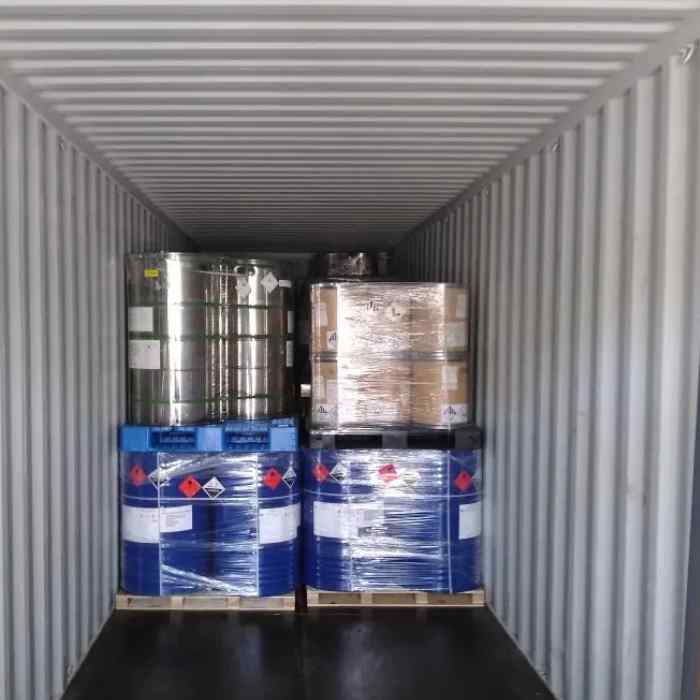
Final Decision Checklist for Buyers
A 10-point checklist to vet any dangerous goods freight forwarder in China.
You have the certifications, the carrier contracts, and the pricing breakdown. Now comes the final pass. Before you sign the service agreement, run through this checklist. It covers the gaps that trip up even experienced hazardous materials logistics buyers.
Direct Carrier Contracts
Ask for the list of ocean carriers the forwarder holds direct DG contracts with. WanSea maintains direct contracts with 8 major ocean carriers for dangerous goods. A forwarder without direct contracts is booking through a middleman, which adds 15–20% in subcontractor margins and a layer of risk you cannot control.
In-House DG Safety Advisor
Who prepares the dangerous goods declaration and the container packing certificate? If the answer is a third-party agent or a junior clerk, that is a red flag. The person signing off on IMDG compliance should be a qualified Dangerous Goods Safety Advisor (DGSA) employed by the forwarder, not a freelancer pulled in for the booking.
Cost Premium Transparency
The average cost premium for DG shipments is 30–50% over general cargo. A reliable forwarder will break this down into line items: documentation fees, cargo screening, special container cleaning, and carrier surcharges. If the quote shows a single lump sum with no detail, you cannot verify where the markup is hiding.
Incident Reporting Protocol
Ask for the forwarder’s incident record for the last 12 months. A professional operation will track near-misses and document corrective actions. If they cannot produce a report or claim zero incidents, they are either not tracking or not telling you the full story.
Emergency Response Plan
Subcontractor Audit Trail
Many forwarders subcontract DG shipments to smaller operators. This adds layers of risk. WanSea handles DG shipments through its own certified team and direct carrier contracts, not through a chain of subcontractors. Verify that the forwarder you are vetting does the same.
Benchmark: What You Should Expect
A qualified dangerous goods freight forwarder in China should be able to provide all of the following within 48 hours of your request: a list of direct carrier contracts for DG, the DGSA certificate of the person handling your shipment, a sample dangerous goods declaration, a breakdown of the cost premium, and the emergency response plan. If any of these are missing, you are not dealing with a specialist.
Conclusion
The difference between a smooth hazmat shipment and a customs hold at origin usually comes down to one thing: whether your forwarder holds direct carrier contracts for DG cargo. The 30–50% cost premium over general freight is already baked into the budget. Paying another 15–20% margin to a middleman who subcontracts the actual booking adds risk without value.
-
- Verify direct carrier contracts for DG, not spot bookings through third parties.
- Confirm in-house DG safety advisors, not outsourced consultants.
- Compare total landed cost, including the 30–50% DG premium, not just the base rate.
- Request the safety record and incident report for the last 12 months.
Before you commit to a partner for your next lithium battery or chemical shipment, review their carrier agreements and certification documentation. A forwarder like WanSea, with direct contracts across 8 major ocean carriers and a decade of DG handling experience, can show you the paperwork upfront. Compare the full scope of services against the red flags covered in this article, then make the call.
Frequently Asked Questions
What certifications should a DG forwarder have?
A qualified dangerous goods forwarder must hold IMO, IATA, and China GHS compliance certifications. These are the minimum regulatory requirements, not a differentiator, so verify they have direct carrier contracts for DG. Always ask for proof of direct carrier contracts before booking.
Why avoid general forwarders for hazmat?
General forwarders often lack direct carrier contracts for dangerous goods, which means they spot-book space at higher risk and cost. This can lead to rejected cargo, delays, or compliance fines if. Use a specialist with in-house DG experts to avoid these risks.
How to verify a forwarder’s safety record?
Request their incident reporting history and emergency response plan for DG shipments. A reliable forwarder will share this data openly, while a lack of documentation is a major red flag. If they hesitate to share records, move on to another provider.
What are red flags in DG freight quotes?
Unrealistically low rates often indicate spot bookings without direct carrier contracts or hidden fees for documentation and storage. Always ask for a full breakdown of charges, including DG surcharges and customs clearance. Compare itemized quotes from at least three forwarders before deciding.
Does WanSea handle dangerous goods?
Yes, WanSea has over 10 years of experience shipping dangerous goods from China, with in-house DG experts and direct carrier contracts for hazmat. We handle sea, air, and rail DG shipments with. Contact us at jason@wanseachina.com to discuss your DG shipment needs.