
A single misaligned line item in a dangerous goods declaration China can idle a 40-foot container at Qingdao port for 3–5 days, with storage fees running $500–$2,000 before the first correction is filed. That math matters more than most buyers assume, especially when the shipment contains lithium batteries or industrial adhesives. The cost of the declaration error quickly exceeds the freight savings you negotiated on FOB pricing.
Many Chinese factories classify goods under GB standards, which map to domestic transport rules but don’t always align with IMDG requirements used by ocean carriers. A product can pass the local inspection, then get rejected at the carrier gate because the UN number sequence or packing group doesn’t match the international manifest. Bridging that gap requires checking the DGD against MSDS Section 14 before submission, not after.
Most declaration rejections trace back to two identifiable errors: a UN number that doesn’t match the MSDS, or a dangerous goods list sequence out of order. Both are avoidable with a simple cross-check protocol. That protocol is exactly what separates a smooth export from a week of demurrage charges.
What Is a Dangerous Goods Declaration?
One DGD error can halt a container for 3–5 days and add $500–$2,000 in fees.
A Dangerous Goods Declaration (DGD) is the shipper’s formal statement that a consignment of hazardous materials has been correctly classified, packed, marked, and labeled for ocean transport under the IMDG Code. Chinese port authorities and carriers treat it as the controlling document for every hazmat export. No valid DGD, no loading.
Legal Requirements for DGD in China
Exporting from China means the DGD must satisfy two rulebooks at once: the IMDG Code for international carriage and China’s domestic GB standards. The gap between them is where shipments get stuck. Many suppliers classify goods under the GB 12268 list, which can diverge from the UN number and proper shipping name the IMDG Code requires. A forwarder that checks only one rulebook submits a declaration that gets rejected at port.
Under Chinese port safety regulations, the DGD must be filed with the port authority before the cargo moves to the terminal. Errors can trigger a 3–5 day customs detention, and storage fees in that window typically run $500–$2,000. That bill lands on the shipper’s account, not the carrier’s.
Who Signs and Submits the Declaration
The DGD signature belongs to the shipper named on the bill of lading — usually the Chinese factory on FOB terms. That legal liability cannot be delegated. A forwarder can prepare and submit the declaration on the shipper’s behalf, but the shipper owns every error in it. WanSea’s document team cross-checks each DGD against both the IMDG Code and the supplier’s GB classification before submission, closing the gap that causes most port rejections.
- Shipper’s signature: The named shipper carries legal liability for the declaration’s accuracy. In China, signing on behalf of the cargo owner without written authorization violates port filing rules.
- Forwarder’s role: A licensed forwarder prepares and submits the DGD to the carrier and port authority, but must verify classification data against the MSDS and packing list first. WanSea’s review covers both GB and IMDG references.
- Emergency contact: The DGD must list a 24/7 monitored phone number. Chinese suppliers often put a desk line that goes unanswered on weekends — a frequent reason carriers reject declarations.

Required Components of a Valid DGD
One wrong digit in the DGD can hold your cargo at port for 3–5 days.
A Dangerous Goods Declaration is a legal document, not a checkbox on a shipping form. Carriers and customs read every field against the IMDG Code, and a single mismatch can detain a container for 3–5 days — racking up $500–$2,000 in storage fees before you even know there’s a problem.
UN Number, Proper Shipping Name, Class, and Packing Group
These four fields do the heavy lifting. The UN number must match the Proper Shipping Name exactly as it appears in the IMDG Code Dangerous Goods List — not what your supplier calls it internally.
- UN number: Four-digit identifier from the IMDG Code Dangerous Goods List. A wrong digit changes emergency response and segregation rules.
- Proper Shipping Name: The technical name listed in the Dangerous Goods List. Trade names are rejected — it must match the MSDS Section 14 description.
- Class and packing group: The class defines the hazard. Packing group I, II, or III determines the packaging performance level; get it wrong and the package fails the required drop or pressure test.
Watch for a China-specific trap: many local suppliers classify goods under GB 12268, the Chinese national standard, which does not always align with the IMDG Code. When the two disagree, the declaration must follow IMDG for international ocean freight. WanSeaChina’s document team reconciles both standards before submission.
Shipper’s Certification and Emergency Contact
The certification is a binding statement that the goods are properly classified, packed, marked, and labeled. It is signed by the shipper or an authorized agent. Skip the signature, or let an unauthorized person sign it, and the carrier can refuse the cargo at the gate. If the cargo later causes an incident, the shipper — not the forwarder — carries the liability.
The emergency contact must be answerable 24 hours a day, with a direct international dialing code. A company switchboard that closes at 6 p.m. is a compliance failure. Some carriers reject the DGD on this field alone.
Quantity and Packaging Type Details
Net quantity must be stated per package and per container, in the correct unit — kilograms for solids, liters for liquids. Overstate it and you misdeclare the hazard load; understate it and the packing certificate contradicts the cargo. In LCL consolidations, an inaccurate figure can make the entire shared container fail the dangerous goods manifest check.
The packaging type code (for example, a steel drum is 1A2, a jerrican 3H1) must match what is physically used. A declaration that lists fiberboard boxes while the shipment ships in plastic drums creates an inconsistency that customs flags instantly. With over 10 years in freight forwarding, WanSeaChina cross-checks these fields against the packing certificate and MSDS Section 14 before submission.
Common Declaration Mistakes That Cause Delays
A single DGD error can hold cargo 3–5 days at customs and cost $500–$2,000 in storage fees.
Most dangerous goods declaration holds at Chinese ports start with a document mismatch, not a cargo problem. The freight itself is typically compliant. The declaration doesn’t match the MSDS, the packing list, or the carrier’s stowage plan. That’s what pulls the container out of rotation.
The cost of that mismatch is measurable. A single error in the DGD can trigger 3–5 days of customs detention, with storage fees between $500 and $2,000. The schedule disruption follows. That’s why DGD common mistakes in China export documentation deserve attention before the container leaves the warehouse — not after.
Missing or Incorrect UN Numbers
The UN number is the first field customs officers cross-check against the IMDG Code database. Declare UN 1263 when the product is actually UN 1293.
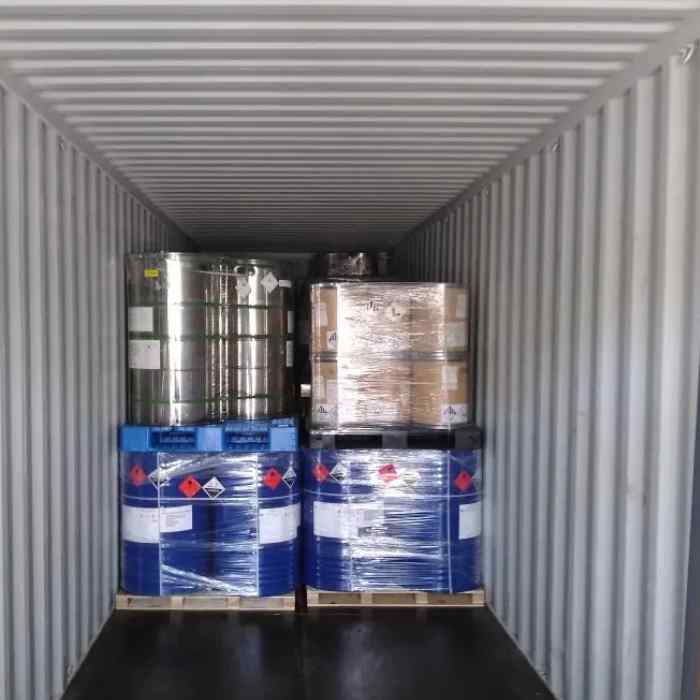
How WanSeaChina Streamlines Your DG Declarations
One DGD error triggers a 3–5 day customs detention and $500–$2,000 in fees.
Most Dangerous Goods Declaration errors from China trace back to a single point: the supplier classified the cargo under GB standards, not the IMDG Code. A domestic classification can contradict what the carrier and destination customs accept. The WanSeaChina team reconciles both sets of rules before anything is filed. That gap is where containers get stuck.
Pre-Shipment Document Review and Cross-Check
Every DGD, MSDS, and test certificate gets cross-checked at the Qingdao office before it reaches the carrier. The team verifies the UN number, proper shipping name, hazard class, and packing group against MSDS Section 14. If the GB classification and IMDG entry disagree — which happens more often than it should — WanSeaChina flags it and returns the correction points to the factory before the container leaves the warehouse.
- UN number: Checked against the dangerous goods list in the IMDG Code. A single wrong digit stops the entire shipment.
- MSDS Section 14: Must match the DGD line by line. Inconsistencies here are a common trigger for China export customs holds.
- Packaging type: Packaging instruction codes for the specific UN number must appear on the declaration exactly as tested.
- Carrier rejection: Mismatched DGD and MSDS data is corrected and re-filed through the same submission channel.
- Customs query: China customs requests additional verification, and WanSeaChina supplies the supporting documents to push for release.
Direct Submission to Carriers and Customs
WanSea’s Qingdao desk files the declaration directly with the carrier and the China customs system. Because WanSeaChina also handles customs clearance for the same shipment, the person who files your DGD is the one tracking the vessel schedule. No third-party layer sits between your paperwork and the submission, so the declaration lives in one system and one team owns it.
A single mistake in the DGD can trigger a 3–5 day customs detention and $500–$2,000 in storage fees. That cost is not recoverable from anyone. With over a decade of DG freight handling out of Qingdao, the operations team catches the common rejection triggers before the booking is confirmed.
Real-Time Correction Assistance
If a carrier or customs rejects a declaration mid-process, the rejection code lands on the WanSeaChina operations desk. The team corrects the specific field, coordinates a revised document from the supplier when needed, and resubmits. The buyer does not chase the factory, the freight agent, and the carrier separately — one contact owns the fix from start to release.
Conclusion
Every field on a dangerous goods declaration carries risk. The final ten percent that separates a professional from an amateur is not filling the form correctly — it’s cross-checking the Chinese GB standard against the IMDG code before submission. A correct DGD moves; an incorrect one costs $500–$2,000 in storage fees.
- Verify UN number, proper shipping name, class, and packing group against MSDS Section 14 before submission.
- Reconcile Chinese GB classification with IMDG requirements; conflicting standards cause delays.
- Keep shipper’s certification and 24-hour emergency contact accurate on every DGD.
- One error can trigger 3–5 days of customs detention and $500–$2,000 in storage fees.
Before your next hazardous shipment leaves the factory, take the completed DGD through the same pre-validation a freight forwarder would run. Check the sequence of the dangerous goods list, confirm the UN number appears exactly as filed, and verify Section 14 of the MSDS matches the declaration line by line. If your supplier’s GB classification does not align with IMDG, have a logistics partner reconcile both sets of documents before the cargo reaches customs — WanSeaChina offers this document review for China shipments.
Frequently Asked Questions
What is a dangerous goods declaration for China cargo?
A DGD is the shipper’s formal document identifying hazardous cargo—UN number, class, packing group, and emergency contact—for carriers and customs. A single error can halt your container for 3–5 days and add $500–$2,000 in. Request a DGD review before the container rolls.
Who signs and submits the DGD in China?
The shipper signs the DGD and remains legally responsible for its accuracy, while the freight forwarder submits it to carriers and customs. For China exports, WanSea files the DGD after you confirm the cargo details. Confirm shipper sign-off before submission.
What are the required components of a valid DGD?
A valid DGD needs UN number, proper shipping name, hazard class, packing group, quantity, packaging type, shipper certification, and a 24-hour emergency contact. Every detail must match the MSDS Section 14 exactly to. Cross-check the DGD against MSDS Section 14 before filing.
What DGD mistakes cause shipping delays?
Missing or incorrect UN numbers and inconsistencies with MSDS Section 14 are the top causes of DG shipping delays. One wrong digit can hold cargo at port for 3–5 days and cost $500–$2,000. Run a pre-shipment document check to catch mismatches early.
How does WanSea streamline dangerous goods declarations?
WanSea reviews your DGD before submission, cross-checks it against the MSDS, and files it directly with carriers and customs. We also provide real-time correction support to keep your DG cargo moving from Qingdao. Send your DGD and MSDS for a pre-shipment review.


