The standard checklist for China to USA LCL shipping has four items: rate per cubic meter, transit window, sailing frequency, and customs clearance. Most retail logistics managers stop there. The one line item that generates most post-delivery complaints sits further down — the origin consolidation cut-off, the date cargo must land at the CFS warehouse to make the booked vessel. Miss that window and your container sails without you, the goods roll a week, and the cost model that justified sea freight over air starts to crack.
Think of it as sample approval applied to logistics. The freight quote is the pre-production sample; the consolidated shipment is the mass production run. A $50,000 order slips through that gap when the forwarder’s origin schedule and the factory’s readiness date don’t align — the quote promises one thing, the sailed shipment delivers another. FOB pricing and per-CBM numbers dominate the RFQ. The origin cut-off decides whether the cargo actually sails.
The case below walks through those numbers. Three weekly air shipments became one bi-weekly LCL container routed from Qingdao to the U.S. West Coast. Total shipping costs dropped roughly 30% — about $4,500 per month — while transit time grew only five days and customs clearance ran without delays. That trade-off, five extra days for a 30% cut in total shipping cost, is the benchmark worth writing down before your next supplier call.
Client Background
Furniture is the worst possible cargo for air freight.
The client is a mid-size U.S. retail chain importing home goods out of Ningbo, China. Their product mix leans on bulky, low-density categories — furniture, shelving units, decorative home items — the exact kind of cargo that turns air freight into a money pit.
The Retailer
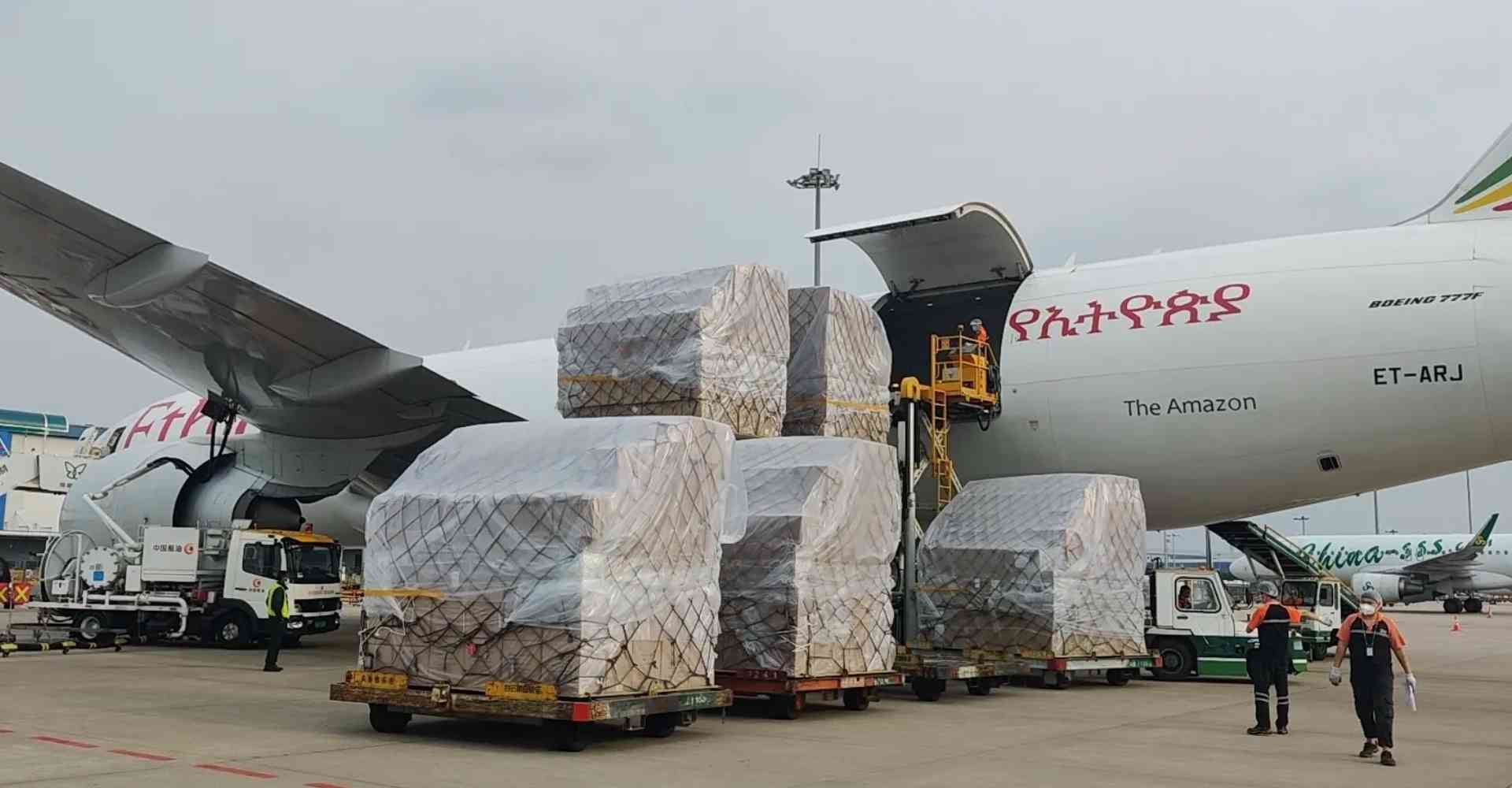
Before WanSea got involved, the retailer shipped three air freight consignments every week from the Zhejiang manufacturing cluster around Ningbo. Air freight felt like the safe option: consistent lead times, minimal customs friction. The problem sat in the pricing model. Carriers bill air cargo by chargeable weight — whichever is higher, actual or dimensional. Furniture racks up dimensional weight fast, and the weekly invoices reflected it.
- Cargo mix: Furniture, shelving units, and home decor sourced from manufacturers around Ningbo in Zhejiang province.
- Shipping pattern: Three air freight shipments every week, running year-round at standard air rates.
- Cost driver: Air carriers charge by chargeable weight, and bulky furniture loses badly on the dimensional calculation.
Ningbo is worth pausing on. The surrounding Zhejiang region holds one of the densest furniture and home-goods manufacturing networks in China, so supply was never the issue — FOB pricing from Ningbo stayed competitive across every SKU. The problem was the transport mode bolted on top of it.
The Margin Problem
On paper the operation ran well: on-time delivery held steady and stock-outs stayed rare. But the landed cost per unit had climbed to the point where freight was quietly eating the furniture category’s margin. That combination — reliable but structurally overpriced — is what pushes a retail logistics manager to question the mode.
When WanSea first reviewed the account, the freight spend was carving deep into the margins of the retailer’s best-selling furniture SKUs. The logistics manager suspected air freight was overpriced but lacked concrete numbers to force a change. WanSea — which has coordinated China–US freight from Qingdao and the major Chinese ports for over a decade — came back with a route proposal that attacked the cost structure directly, without asking the retailer to accept a dramatically longer lead time.

Challenge: High Air Freight Bills
Air freight bills spike when repeat importers ship small batches weekly instead of one consolidated LCL shipment.
A furniture importer with a growing U.S. retail footprint can watch logistics costs quietly outpace product margins. In this case, a mid-size retailer buying home goods from Ningbo was running three air shipments every week. The cargo moved fast. The invoices moved faster.
Air freight pricing punishes this pattern. Rates are quoted per kilogram, then adjusted by dimensional weight, so bulky furniture pays for space it doesn’t fill. Add three separate export declarations, three trucking legs to the airport, and three customs clearances, and the weekly cost stack becomes the single largest line item in landed cost.
For a furniture import from Ningbo to the U.S. West Coast, the sea freight versus air freight decision isn’t just about the rate card. Air quotes look simple, but the all-in cost per unit — after fuel surcharges and minimum charges — only surfaces when you line up an LCL alternative.
The Pattern That Pushed Air Freight Past Its Breaking Point
A retail logistics manager normally protects air freight because it shrinks inventory days and avoids stockouts. What got missed here was that the retailer was shipping the same SKU mix every week, air waybill after air waybill, at full express rates. Nothing in that cargo was urgent enough to justify the premium.
- Volume: Three weekly air shipments of the same supplier’s SKUs can usually be grouped into one bi-weekly LCL consolidation from Qingdao to a U.S. port without missing shelf dates.
- Cost: When WanSea mapped the existing air pattern against a bi-weekly LCL route, the projected saving was $4,500 per month.
- Lead time: The transit time difference was only 5 days, which the retailer’s KPI review accepted once inventory days were modeled with the consolidated schedule.
The real challenge wasn’t finding a cheaper mode. It was breaking the habit of treating every restock as an emergency. WanSea’s Qingdao export desk has watched this pattern for over a decade. Once the finance team saw the $4,500 gap, the conversation changed from ‘how fast can we fly it’ to ‘how much slower can we afford to go.’.
WanSea’s Solution
Three weekly air freight shipments became one bi-weekly LCL container, saving $4,500 per month.
The retailer shipped furniture and home goods from Ningbo three times a week by air. Each batch was small, but the air freight rate per cubic meter was punishing. The retail logistics manager needed the same delivery reliability without the premium.
Mode Shift to LCL Sea Freight
WanSea re-engineered the lane. Instead of three weekly air shipments, the client now moves one bi-weekly LCL container by sea from China to the US West Coast. Cargo gets picked up in Ningbo, consolidated, and delivered door-to-door through WanSea’s network. Transit time stretches by 5 days. The monthly logistics bill drops by $4,500.
- Cost per shipment: Three air freight batches became one LCL consolidation, cutting monthly freight spend by $4,500.
- Transit time: Extended by 5 days versus air freight — a predictable, acceptable tradeoff for a furniture import lane.
- Customs risk: Pre-departure clearance removed the delays the client had seen with split air shipments.
For a retail operation, a 5-day extension on a China-US lane is manageable when the schedule is predictable. Air freight’s speed advantage evaporates when cargo sits at the consolidation warehouse waiting for the next flight. LCL shipping from China to USA cost, on a per-cubic-meter basis, runs well below air freight — and the gap is wider for bulky, heavy goods like furniture.
Consolidation and Route Optimization via Qingdao
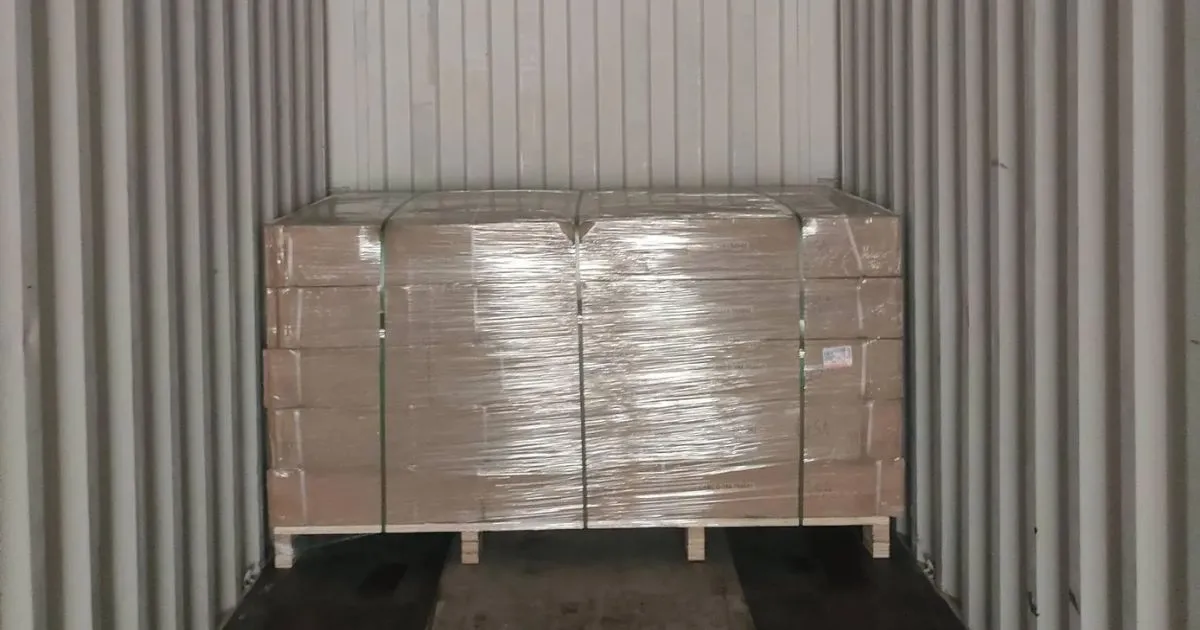
WanSea staged the consolidation in Qingdao, its home port. Qingdao offers dense weekly sailings to the US West Coast, which keeps LCL transit times competitive. The client’s cargo moves by truck from Ningbo, gets consolidated with other shipments at WanSea’s warehouse, and clears customs before departure.
That pre-departure clearance is the line between a smooth entry and a container sitting at the US port. The retailer saw zero customs delays on the new lane. WanSea now handles all of the client’s China-US logistics.
Results
Three weekly air shipments became one bi-weekly LCL container, saving $4,500 a month.
The finance team saw the impact before the container docked. Air freight pricing runs on dimensional weight — brutal for bulky home goods. WanSea consolidated three weekly air shipments into one bi-weekly LCL container routed through Qingdao. Total shipping cost dropped 30%.
30% Reduction in Total Shipping Cost
The savings hit $4,500 per month — roughly $54,000 a year back into the P&L. The largest lever was the mode shift itself. Furniture import shipping from Ningbo to USA via air punishes dimensional weight; moving to LCL shipping from China to USA cost meant paying for shared container space instead of empty air cargo volume. That’s how to reduce China import shipping costs without touching the supplier’s FOB pricing.
A 30% cut of this size doesn’t come from negotiating a discount. It comes from changing the shipping structure.
Transit Time: Only 5 Days Longer
The client’s air shipments were arriving on schedule. The optimized LCL route via Qingdao delivered just 5 days later. For furniture, where buying cycles are planned weeks in advance, a 5-day delta sits inside the existing forecast buffer. Air freight only wins when cargo is small, light, or urgent. A sofa set is none of those.
Zero Customs Delays
WanSea handled customs clearance end-to-end — documentation, tariff classification, and port coordination. The container cleared without a hold. Zero customs delays kept the transit difference at exactly 5 days; it didn’t stretch into demurrage and storage fees. For a retail logistics manager tracking on-time delivery KPIs, that consistency is the real ROI.
- Cost per shipment: Air dimensional-weight pricing replaced by LCL consolidation — $4,500 saved monthly.
- Lead time: Extended by 5 days only, well inside the retailer’s furniture forecast buffer.
- Customs risk: Eliminated — full clearance handling through WanSea’s Qingdao operations meant zero port holds.
Client Testimonial
The client now routes all China-US freight through WanSea after cutting monthly logistics costs by $4,500.
Eight months of air-freighting furniture from Ningbo had done the job, but the freight bill was squeezing margins. The retailer’s logistics manager needed the same delivery reliability at a lower cost per cubic meter. WanSea proposed a mode shift: consolidate three weekly air shipments into one bi-weekly LCL container through Qingdao.
Why the mode shift worked
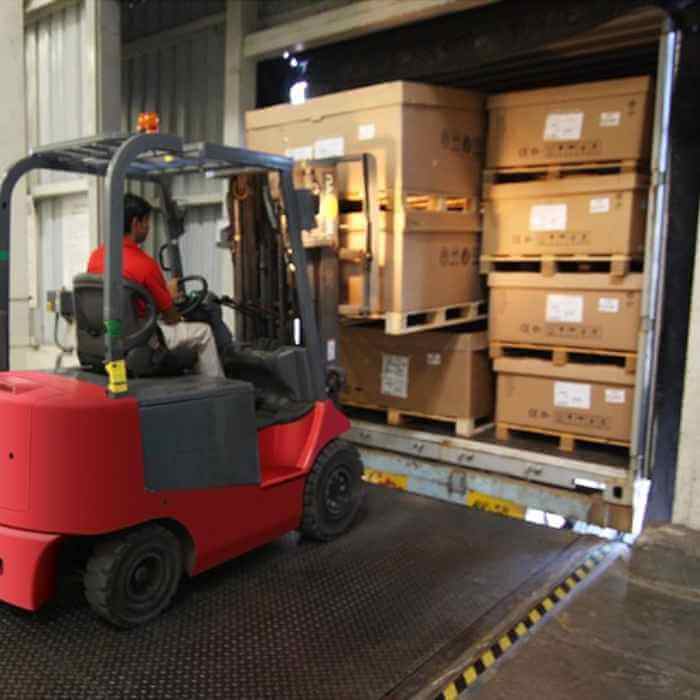
The move from air to sea-LCL was not just about swapping carriers. WanSea consolidated cargo at its Qingdao hub, handled customs clearance, and delivered door-to-door on one commercial invoice. The retailer kept its KPI reports intact: transit time rose only five days, while total China to USA LCL shipping cost dropped 30%.
- Monthly savings: $4,500 per month by moving three weekly air shipments to one bi-weekly LCL container.
- Transit impact: Only five days longer than the previous air schedule, within the retailer’s seasonal replenishment window.
- Customs handling: Zero customs delays during the transition because WanSea managed the documentation end-to-end.
The outcome went beyond one route. The client now uses WanSea for all China-US logistics, covering both the furniture line and other imports. For a retail logistics manager, that decision comes down to numbers: one consolidated LCL shipment, predictable transit, customs handled, and a monthly saving that flows straight to margin.
Conclusion
The real cost problem wasn’t the freight rate — it was the shipment pattern. Three weekly air shipments carried less volume at a higher per-kilo cost, and moving that same cargo into one consolidated LCL container through Qingdao removed the waste. The result: 30% lower total shipping cost, zero customs delays, and only five extra days of transit.
- Can your forwarder consolidate three weekly air shipments into one bi-weekly LCL container from Qingdao?
- Will total shipping cost drop by 30% while transit time only grows by five days?
- Does the quote include customs clearance and door-to-door delivery, with no surprise fees?
- Is $4,500 per month in savings realistic for your current shipment volume?
Run the same comparison on your own lane. Share your last three monthly air freight invoices with a forwarder and ask for a consolidated LCL quote from the nearest major Chinese port. Most retail importers find the savings justify the small transit adjustment, so start by benchmarking your current rates against WanSea’s container shipping page.
Frequently Asked Questions
How did WanSea cut shipping costs by 30%?
WanSea switched the retailer from weekly air freight shipments to consolidated bi-weekly LCL sea freight via Qingdao. This removed the air freight premium and reduced total shipping cost by. Ask WanSea for an LCL versus air freight quote on your current volumes.
What is LCL shipping and how does it save money?
LCL means less-than-container-load, where multiple shippers share one container and pay only for the space they use. It saves money on China to USA imports compared to air freight while keeping. Use LCL when your shipment is under a full container load.
How much longer is LCL sea freight than air freight?
In WanSea’s case, LCL sea freight took only five days longer than air freight. That small delay delivered a 30% cost reduction, making it a practical trade-off for retail importers. Compare your acceptable transit window before choosing a mode.
Does LCL sea freight cause customs delays?
No, the WanSea-managed LCL shipment cleared U.S. customs with zero delays. Ensure your forwarder provides full customs clearance support.
Why were the retailer’s air freight bills spiking?
Air freight bills spike when repeat importers ship small batches weekly instead of consolidating into one LCL container. This creates premium shipping costs that can be avoided with route and consolidation planning. Review your shipping frequency to see if consolidation fits.