Hazardous chemicals shipping china is the first checkpoint buyers should lock before they approve a supplier, budget, or production slot. Day 1 you place the order for a Class 3 flammable liquid. Day 14 the pre-production sample arrives at your warehouse, and it looks fine. Day 45 the container lands at Long Beach — and Customs holds it because the Chinese-language GHS label on the drum doesn’t match the English one in the shipping documents. That $50K order is now sitting in a bonded yard accruing storage fees while your production line waits.
Most buyers assume that if the factory can make it, they can ship it. That assumption breaks when you’re dealing with hazardous chemicals shipping from China. The regulatory chain here is longer than most importers realize — classification, SDS compliance, UN packaging certification, bilingual labeling — and a gap at any link can stop your cargo cold. I’ve seen port rejections happen because a supplier used a standard drum instead of a UN-approved one, or because Section 14 of the SDS was simply left blank.
The fix isn’t complicated, but it requires treating compliance as a pre-shipment checklist rather than an afterthought. Here’s a practical seven-step framework that covers what you need to verify before booking with any dangerous goods freight forwarder China-based or otherwise.

Step 1: Classify Your Chemical
A wrong UN number means the shipment never leaves the port.
Before any chemical moves from a Chinese factory to an international destination, it needs three identifiers: a UN number, a Proper Shipping Name (PSN), and a Packing Group. These aren’t just boxes on a form — they determine which carrier will accept the cargo, what packaging is legally required, and how the container gets labeled. Get any one wrong and the shipment gets rejected at the port gate.
UN Number and Proper Shipping Name
The UN number is a four-digit code assigned to hazardous substances. For example, UN 1203 applies to gasoline (Class 3 flammable liquid). The PSN must match exactly what appears in the IMDG Code or IATA DGR — not a marketing name or internal product code. A buyer shipping industrial paint thinner from Qingdao under “UN 1263 Paint” is fine. Calling it “Thinner X-2000” without matching the PSN will trigger customs holds.
Packing Group Determines Packaging Rigor
Packing Groups (I, II, III) rank danger level. Group I is highest risk — requires the strongest packaging. Group III is lowest risk but still regulated. A common mistake: classifying a Class 8 corrosive liquid as Packing Group III when its concentration actually pushes it into Group II. That error leads to using thinner drums that may rupture during sea transit.
Step 2: Obtain a Compliant Safety Data Sheet
A missing Section 14 on a Chinese SDS can stop your shipment at port.
The Safety Data Sheet is the single document customs and carriers rely on to confirm your chemical’s hazards. For any hazardous chemicals shipping China, the SDS must follow the 16-section format required by GHS Rev. 6 or later — and it must be available in both Chinese and English.
What the 16 Sections Must Cover
-
- Sections 1–8: Identification, hazards, composition, first aid, firefighting, accidental release, handling/storage, exposure controls. These are standard globally.
- Section 9–11: Physical/chemical properties, stability/reactivity, toxicological data. Required for classification verification.
- Section 14 (Transport Information): UN number, proper shipping name, packing group, marine pollutant flag. This is the section most Chinese SDS drafts omit — yet it is mandatory for booking with any dangerous goods freight forwarder China.
- Sections 15–16: Regulatory references and other information. Often copied from outdated templates.
The Bilingual Requirement That Catches Exporters
China’s GHS implementation (GB/T 16483-2008) requires an SDS in Simplified Chinese for domestic transport and export documentation. Many suppliers produce only an English version or a machine-translated Chinese copy that fails Section 14 compliance. WanSeaChina’s team reviews every incoming SDS against the IMDG Code and amends missing transport data before booking — a step that prevents last-minute carrier rejections.
Step 3: Select UN‑Approved Packaging
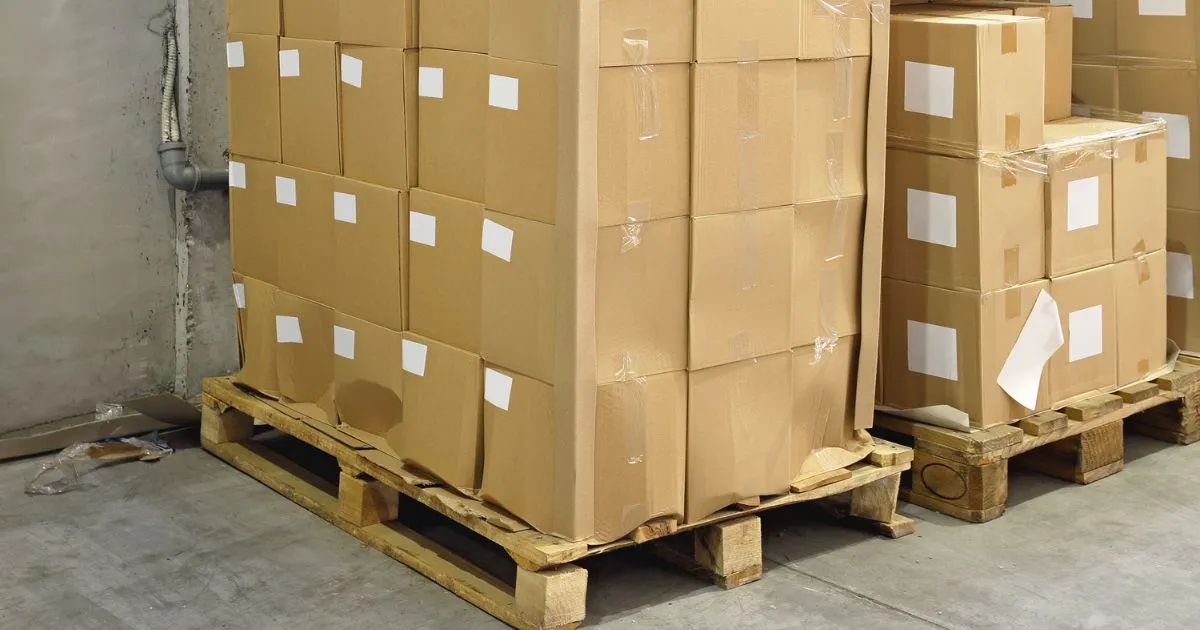
UN-approved packaging is the single most common rejection point for DG shipments from China.
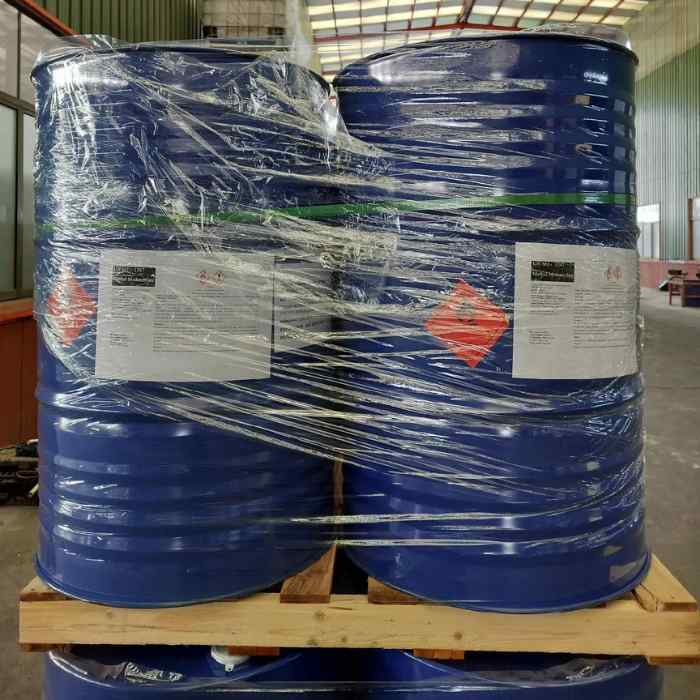
The drum you use for a Class 3 flammable liquid has to survive a 1.2-meter drop test, a stack test at 3 meters high, and a leakproofness test at 30 kPa internal pressure. That’s not optional — it’s mandatory under IMDG Code Chapter 6.1. If the supplier hands you a standard industrial drum without the UN marking, the carrier will refuse it at the gate.
Drums: Steel, Plastic, or Fiber
Steel drums (1A1) handle most flammable liquids and corrosives up to Packing Group I. Plastic drums (1H1) resist chemical attack better but have lower stack strength — verify the stacking load matches your container configuration. Fiber drums (1G) are lighter and cheaper but only suitable for solids or pastes. The UN marking on the side tells you everything: type, packing group, hydraulic test pressure, and year of manufacture.
IBCs: Intermediate Bulk Containers
For volumes above 450 liters, IBCs are the standard choice. Composite IBCs (31HZ) with a steel cage and plastic inner tank dominate chemical shipping from China because they balance weight and durability. Each IBC must carry a plate showing manufacturer, date of manufacture, maximum gross mass, and test pressure. A common failure point: Chinese suppliers sometimes reuse IBCs without re-certification — the UN approval expires after 2.5 years or after certain chemical exposures.

Composite Packaging: Inner Receptacle Plus Outer Box
Smaller quantities of hazardous chemicals often ship in composite packaging — a glass or plastic inner bottle packed inside a fiberboard box with absorbent material (6HG or 6HA). The UN mark here must include the letter ‘V’ if it’s tested for liquids. Most buyers miss this detail until customs flags it.
Step 4: Label and Mark per IMDG/IATA
A missing Chinese GHS label is the #1 cause of port rejection for chemical exports from China.
The IMDG Code and IATA DGR both mandate that every dangerous goods package carries two sets of markings: GHS hazard labels for the chemical itself, and transport placards for the outer packaging. These are not interchangeable. A drum containing acetone needs a Class 3 flammable liquid label on the side, plus a UN identification number mark. Skip either one, and the carrier will refuse the cargo at the warehouse door.
GHS Labels — The Chinese Language Requirement
Many chemicals require a Chinese-language GHS label even when exported. Non-compliance leads to port rejection or fines at origin. WanSea’s team includes bilingual labeling in its service — your shipment gets both English GHS pictograms and the mandatory Chinese text on each package.
Transport Placards — Size and Placement Rules
-
- Placard size: Must be at least 250 mm x 250 mm per IMDG Code. Smaller placards get rejected during container loading inspections.
- Placement rule: Affix on all four sides of a container or vehicle. One placard on each side is not enough — carriers check for full visibility during transit.
Step 5: Prepare Shipping Documents
A missing DGD stops cargo at the terminal gate.
Three documents form the spine of any dangerous goods shipment from China: the Dangerous Goods Declaration (DGD), the Certificate of Classification, and the Safety Data Sheet (SDS). Each serves a distinct purpose, and carriers will reject a container if even one is incomplete.

Dangerous Goods Declaration (DGD)
The DGD is the shipper’s legal attestation that the cargo has been classified, packaged, labeled, and marked correctly per IMDG Code or IATA DGR. It must include the UN number, proper shipping name, class, packing group, and emergency contact. A single typo in the UN number can trigger a hazmat inspection that delays departure by days.
Certificate of Classification
Issued by a Chinese-accredited testing body such as CNAS labs or MSA-approved agencies, this certificate proves your chemical has been officially classified under Chinese GB standards for transport. Carriers and customs both require it before accepting a booking for hazardous chemicals shipping from China. Without it, your freight forwarder cannot even begin the booking process.
Safety Data Sheet (SDS) — Section 14 Trap
Standard Chinese SDS often omit Section 14 (Transport Information), which lists UN number, class, and packing group needed for shipping. This is a common gap when sourcing from smaller Chinese manufacturers. WanSea’s in-house DGSA team reviews every SDS against IMDG/IATA requirements and amends missing Section 14 data before booking. If you are handling safe chemical shipping from China to USA routes yourself, check that section specifically — carriers will flag its absence at document review.

Step 6: Book with an Authorized Carrier
Booking with an uncertified carrier voids your insurance and can strand cargo at port.
This is the step where compliance paperwork meets reality. You have the UN-approved packaging, the bilingual SDS with Section 14 filled in, and the signed DGD. Then you hand the cargo to a carrier that lacks dangerous goods authorization from their flag state or the local maritime authority. That single misstep undoes every previous step.
What ‘Authorized’ Actually Means for DG Shipments
An authorized carrier for hazardous chemicals holds specific approvals under the IMDG Code or IATA DGR. For sea freight out of China, the carrier must be registered with the Ministry of Transport and have a valid Dangerous Goods Certificate on file per route. Not all ocean liners accept all classes — some refuse Class 4.3 (water-reactive) entirely, while others cap load limits per container.
- Route Restrictions: Certain ports like Shanghai Yangshan or Ningbo require pre-booking confirmation for DG containers 72 hours before gate-in. An authorized forwarder manages this window.
The Hidden Cost of Booking Directly
Many buyers assume booking directly with a major line saves money on hazardous chemicals shipping from China. It often doesn’t — because carriers charge premium DG surcharges ($250–$800 per container depending on class) and reject incomplete documentation immediately. A dangerous goods freight forwarder China-based like WanSea holds block agreements with carriers that include DG allocations, meaning your container isn’t bumped for general cargo.
Step 7: Emergency Response Procedures
A spill response delay of 10 minutes can trigger port fines and cargo hold orders.
A container of Class 3 flammable liquid leaks inside a shipping container at Qingdao port. The crew has no spill kit nearby. By the time supplies arrive, the solvent has spread under adjacent boxes — now the whole container is a hazmat scene instead of a single drum replacement.
Spill Kits: What Belongs in Every Chemical Container
-
- Absorbent pads and socks: Minimum 20 liters of absorbent capacity per container. Pads must be chemical-resistant — universal pads fail on solvents and acids.
- Neutralizing agent: Acid spills need bicarbonate; alkali spills need citric acid powder. A generic kit without neutralizer buys you nothing.
- Disposal bags and seals: Contaminated absorbent becomes hazardous waste. Bags must meet UN standards for solid DG disposal, or the cleanup creates a second violation.
Contact Information That Actually Works
The emergency response number on the dangerous goods transport document (DGD) must reach a person who speaks both Chinese and English and understands IMDG spill procedures. A voicemail box or a receptionist who transfers calls costs you hours.
WanSea includes its in-house Dangerous Goods Safety Advisor (DGSA) contact on every hazmat booking from China. That advisor coordinates with Qingdao port emergency services, arranges containment, and files the incident report within the 2-hour window required by Chinese maritime regulations.
The difference between a contained leak and a full port shutdown is often just two things: a properly stocked spill kit within arm’s reach, and a phone number that picks up on the first ring.
Conclusion
A $50,000 shipment of toluene held at Qingdao port for six days because the Chinese GHS label was printed in English only. That delay cost the buyer $2,300 in demurrage and a missed production slot. Every step in this guide exists to prevent that exact scenario.
-
- Chinese SDS often miss Section 14 transport data — amend before booking.
- UN-approved packaging must match the packing group for your chemical class.
- Bilingual GHS labels are mandatory for export from Chinese ports.
- An in-house DGSA catches document gaps that carriers will reject.
Frequently Asked Questions
How to get a quote for How to Ship Hazardous Chemicals from China Safely?
The exact answer depends on the product specification, quantity, and order setup. The safest approach is to confirm the commercial terms only after the final requirement sheet is locked. Lead time should be confirmed after quantity, finish, and shipping method are locked.
Can I request samples first?
The exact answer depends on the product specification, quantity, and order setup. The safest approach is to confirm the commercial terms only after the final requirement sheet is locked. Sample availability should be confirmed against the current stock and shipping plan.


