

In the complex realm of international trade and supply chain operations, two ubiquitous words are easily applied: Cargo vs Logistics.
While both are interchangeable, they are two different aspects of the transportation and shipping business.
It is not only essential to discern the difference for trade specialists but also for companies, policymakers, and consumers who depend more and more on streamlined global supply chains to know the difference between cargo and logistics.
Cargo vs Logistics, this detailed article will provide the explanation of what cargo and logistics are, emphasize their differences and relations, and clarify why the two are so crucial in this age of globalisation.
What Is Cargo?
Cargo refers to the goods or commodities being moved from one place to another.
It is the physical commodity that is being moved through some mode of transport—air, sea, road, or rail.
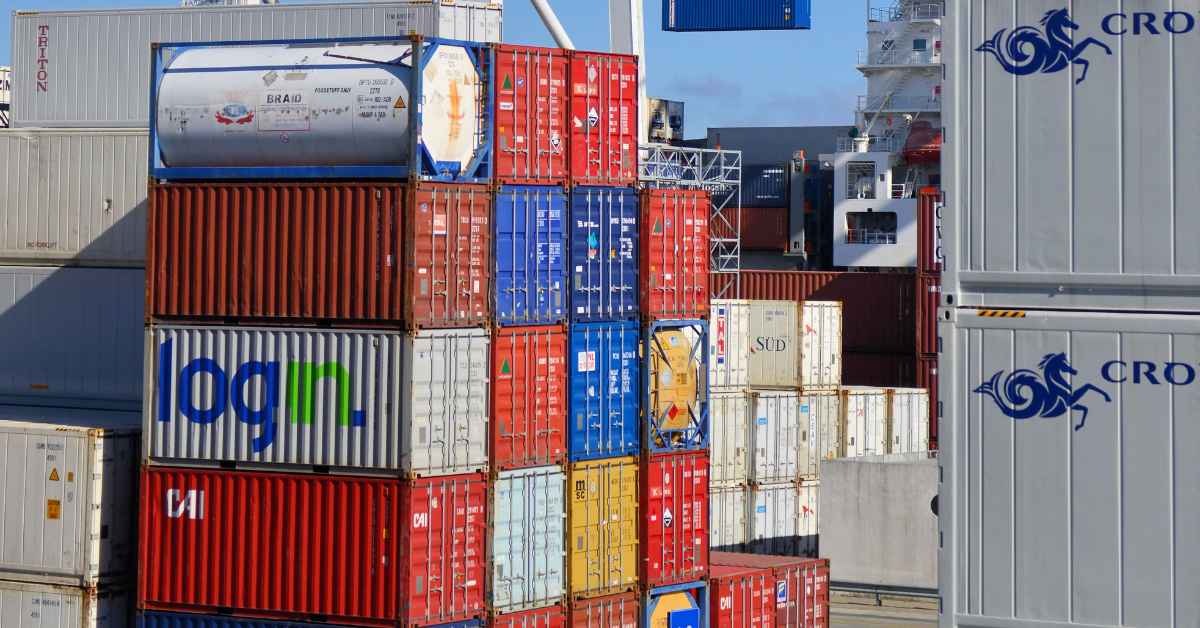
From a package of a single unit being mailed within the neighborhood to containers by the thousands shipping across the seas, it is all cargo.
Cargo is classified according to the nature of the goods as well as the transport mode:
- General Cargo: Packed and sent separately, e.g., electronics, textiles, or machinery.
- Bulk Cargo: Bulk quantities of unpacked commodities like grain, coal, or petroleum.
- Containerized Cargo: Shipping in containers, providing efficiency and security in worldwide shipping.
- Breakbulk Cargo: Shipping in non-containerized goods or units like steel columns or equipment parts.
- Reefer Cargo: Temperature-controlled perishable goods like fruits, vegetables, milk products, and medicines.

Cargo by Mode of Transport
- Air Cargo: Air is commonly employed in the movement of high-value and time-critical cargo. Comprises documents, medical equipment, and electronics.
- Ocean Cargo: Bulk and container cargo over long distances. Industrial machinery, consumer durables, and raw materials are typically transported by ocean cargo.
- Road Cargo: Trucking is convenient and most appropriate for regional or last-mile delivery.
- Rail Cargo: Ideal for heavy and large products transported over long distances by land, particularly between or within nations.
- Technically, cargo refers to the product or commodity that should be transported.
What Is Logistics?
Logistics is the entire process of controlling the movement of goods, information, and materials from their point of origin to the end user.
Logistics is planning, executing, and monitoring actions to move cargo in the most efficient, cost-effective, and timely way.
Components of Logistics
Logistics is a multi-functional activity consisting of a number of vital operations:
- Transportation Management – Selection of carrier, routing, and coordination of shipping the goods.
- Warehousing and Storage – Handling, inventorying, and storing the goods prior to and after shipping.
- Inventory Management – Control of inventory levels to avoid stockouts or excess stock.
- Order Fulfillment – Taking the correct goods to the correct location at the correct time.
- Packaging and Labeling – Preparing the goods for safe, compliant, and cost-effective transport.
- Customs Clearance – Clearing of documentation and compliance with regulations for overseas shipment.
- Reverse Logistics – Receipt of returns, recycling, and disposal of the product.
- Logistics is the brain and the nervous system of the supply chain, arranging all the transportation of the journey of the cargo.
Key Differences – Cargo vs Logistics
Although cargo and logistics are dependent on one another, the difference between them is in their purpose in the supply chain:
| Aspect | Cargo | Logistics |
| Definition | Goods being transported | The process of managing the movement of those goods |
| Scope | Physical items only | Strategic, operational, and administrative processes |
| Focus | What is being moved | How it is being moved |
| Activities | Shipping, loading, unloading | Planning, warehousing, routing, tracking, compliance |
| Example | A shipment of smartphones | Coordinating the shipment, documentation, customs, and delivery of those smartphones |
Cargo is the ‘what’, and logistics is the ‘how’.
How Cargo and Logistics Work Together
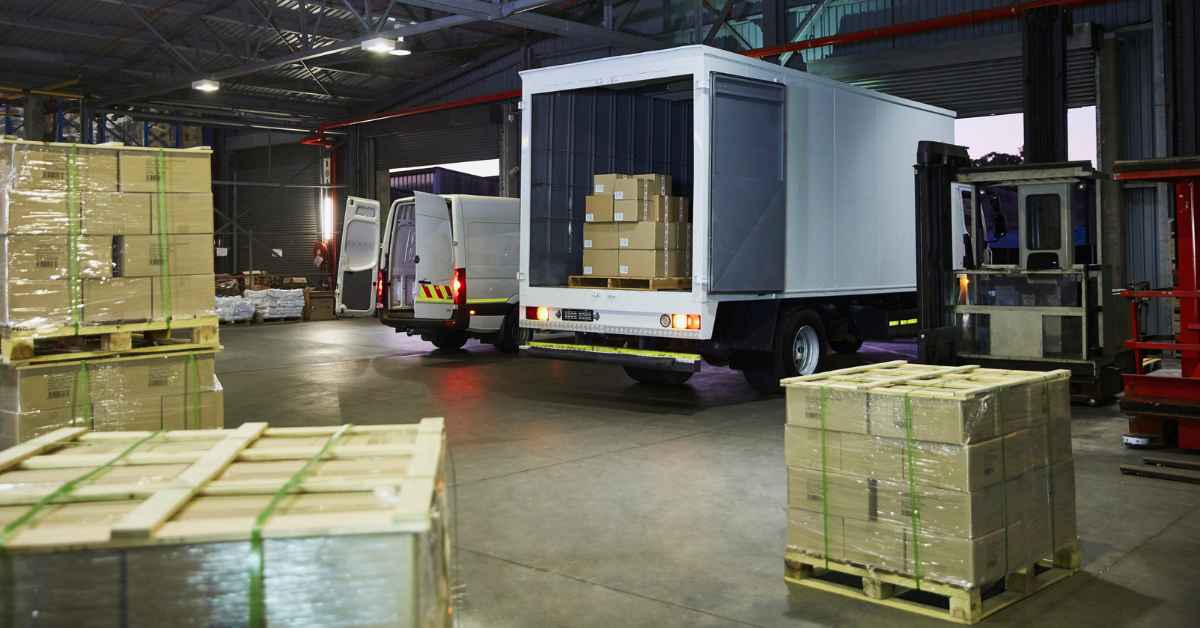
Logistics and cargo go hand in hand. The movement of goods (cargo) cannot be carried out without the complex processes of logistics. Similarly, logistics is useless without cargo to transport.
Example:
Assume a German company exports high-quality bicycles to the United States.
The bikes are the cargo.
Logistics involves:
- Booking ocean freight
- Coordinating pick-up from the factory
- Packing the items in proper order
- Organizing export documents
- Clearing customs on both sides
- Delivering to a U.S. distribution facility
- Managing last-mile delivery to stores
Without logistics, the freight is at risk of delay, damage, or loss.
Why the Difference Matters
Recognizing the difference between cargo and logistics serves the interests of a range of different stakeholders:
For Businesses
- Enables informed choice of the appropriate service providers
- Improves decision-making in cargo and inventory management
- Improves cost-effectiveness and customer satisfaction
For Professionals
- Supports specialization across functions such as warehousing, customs, or cargo handling
- Improves the simplicity of job roles and responsibilities
For Consumers
- Creates awareness of what it takes to have products delivered on schedule
- Enhances trust in e-commerce and overseas suppliers
For Policymakers
- Facilitates the planning for better infrastructure, trade policy, and regulation

Common Misconceptions
“Cargo is just for ships.”
- Wrong. Cargo is commodities transported by any means.
“Logistics is shipping.”
- Logistics includes planning, warehousing, regulatory compliance, etc.
“Only big business employs logistics.”
- Small businesses also extensively utilize logistics for inventory, delivery, and customer support.
Career Opportunities in Cargo and Logistics
They provide many career opportunities:
Cargo-Related Career Opportunities
- Cargo Agent
- Shipping Coordinator
- Freight Handler
- Port Terminal Operator
- Air Cargo Specialist
Careers Based on Logistics
- Supply Chain Manager
- Logistics Analyst
- Transportation Planner
- Inventory Control Specialist
- Freight Forwarding Agent
International trade keeps increasing, as well as the need for educated professionals with expertise in cargo and logistics.
Future Trends in Cargo and Logistics
Automation and AI
- Increased application of robotics and artificial intelligence to monitor, store, and route.
Sustainable Logistics
- Focusing on carbon emissions cuts and the adoption of green shipping practices.
E-Commerce Boom
- Creating demand for cost-effective logistics options to meet speedy delivery promises.
Blockchain in Logistics
- Simplifying transparency and combating fraud in shipping process.
Grasping cargo and logistics puts businesses in a position to respond to these developments and capitalize on new technologies.
Conclusion
Third, logistics refers to the strategies and systems employed for transporting that cargo effectively, and cargo refers to the product being shipped.
They are two sides to the same coin of the global supply chain.
From the exportation of raw materials overseas to the transportation of e-commerce packages, cargo and logistics hand in hand drive the economy today.
With changing customer and global trade needs, knowing the functions and the distinction between these two terms becomes ever more relevant to businesspeople and customers as well.
Whether you are a supplier, supply chain manager, or inquisitive consumer, being able to tell cargo from logistics informs your decisions, optimizes use of resources, and increases knowledge of the intricacy in each delivery of a product.
References
Council of Supply Chain Management Professionals (CSCMP)
International Air Transport Association (IATA)


