
VGM ハンドオフ: 誰がコンテナの重さを量り、誰が署名するのか

The VGM is not a number the forwarder can guess. Under SOLAS, the shipper named on the bill of lading is responsible for the verified gross mass, even when a trucker, warehouse, or forwarder does the weighing. The container cannot be loaded without a VGM that reaches the carrier and terminal before the cut-off. A […】
工場が船舶を見逃した: コスト回収パケット
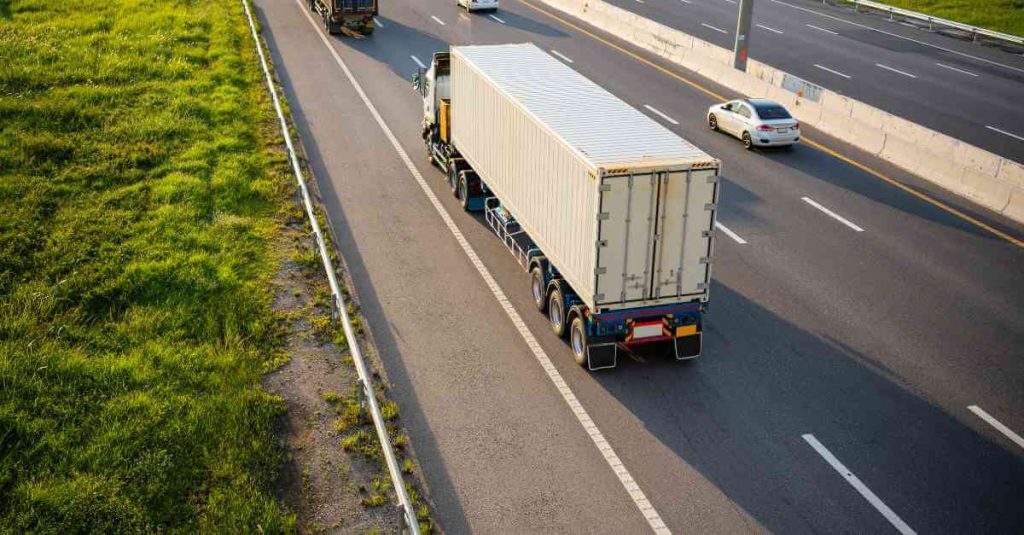
When a factory misses the vessel, the carrier usually bills the party that made the booking, not the factory that caused the delay. That means you may pay storage, rebooking, and equipment charges first, then try to recover them from the supplier. Recovery is not automatic. It depends on what your purchase order says, what […】
一般平均: 貢献度の計算方法
General average is not a fine and it is not a normal damage claim. It is a shared bill for an extraordinary sacrifice or expense that saved the ship and cargo together. Your contribution is based on the value of the property saved, not on the size of the casualty, and it can be demanded […】
支払う前に中国の貨物運送業者を確認する方法

A low quote is not evidence that a Chinese forwarder can carry your cargo. Before you send a deposit, verify four things: the legal entity behind the brand, the scope of its Chinese freight-forwarding registration, its NVOCC status for the route you are booking, and the party that will issue your bill of lading. Then […】
3 つのサプライヤー、1 つのコンテナ: 通関と ISF の仕組み
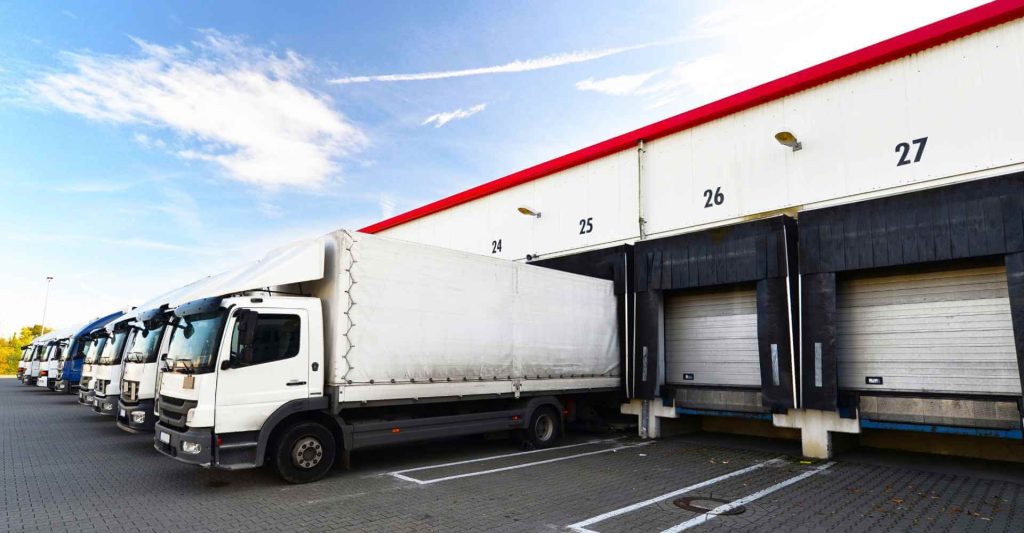
Yes, three suppliers can share a container. No, that does not make them one shipment in the eyes of customs. A forwarder can consolidate the freight under one booking, one container, and one master bill of lading. Your broker still needs a separate commercial invoice and packing list from each supplier, each product’s HTS classification, […】
中国からの LCL 輸送: コストと損害を制御する方法

LCL shipping from China looks simple on a quote: you pay for the space your cargo occupies, and the forwarder fills the rest of the container with someone else’s freight. The complications are almost all about what happens between your factory and that consolidated container. Your cartons are handled at a consolidation warehouse, co-loaded with […】
運送業者の責任と貨物保険: 海洋請求規則
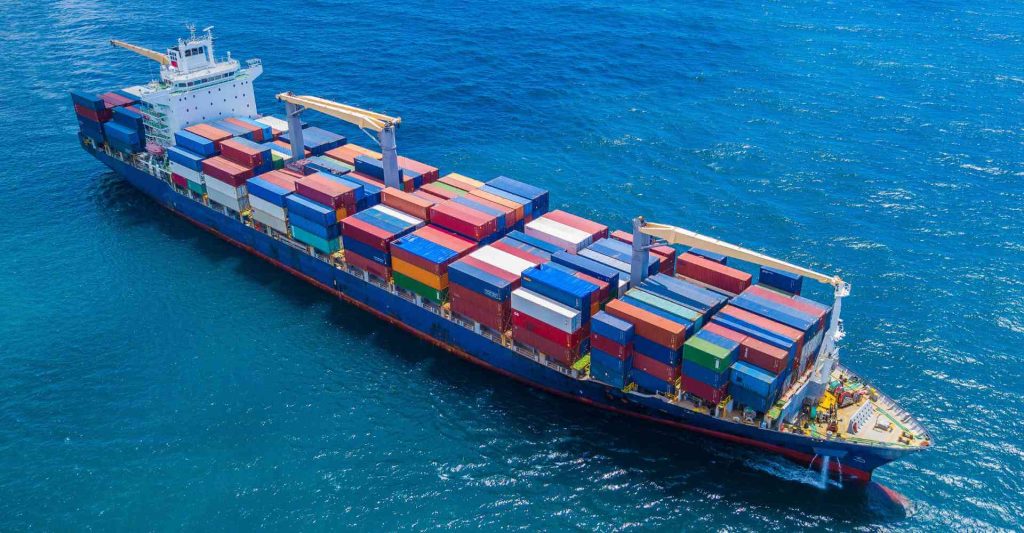
Carrier liability and cargo insurance answer two different questions, and the gap between them is where importers lose money. The carrier’s liability is a legal obligation governed by the bill of lading and, on US trades, by the Carriage of Goods by Sea Act. It is capped, fault-based, and subject to defenses, and for containerized […】
滞納と滞納: 実際に支払うのは誰なのか、そしてその請求にどう対処するのか
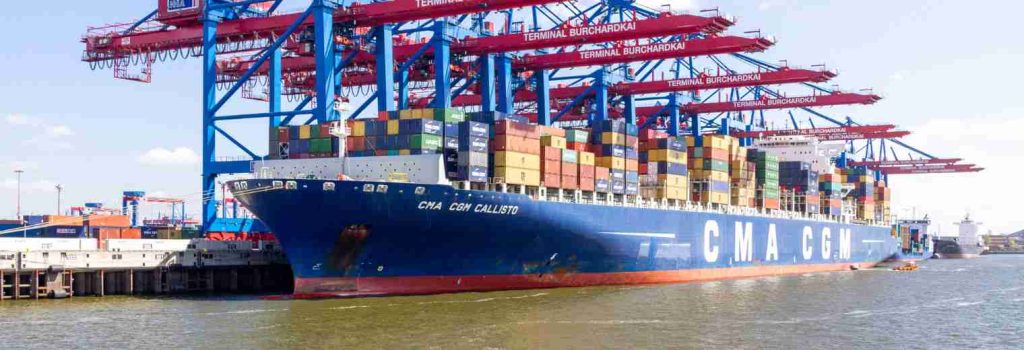
A container stuck at the port is not just a growing bill; it is a bill you may be able to challenge. Demurrage applies while a full container sits inside the marine terminal, and detention applies while the carrier’s container is outside the terminal, from gate-out until the empty is returned. The models and generic […】
サプライヤーが間違った HS コードを教えてくれましたか?税関がやる前に修正してください
Your supplier’s HS code is a starting point, not a legal shield. In the United States, the European Union, the United Kingdom, and most other markets, the importer of record carries the legal duty to declare the correct tariff classification, even when the code came from the factory or a customs broker. The model answers […】
中国の危険物運送業者の選び方
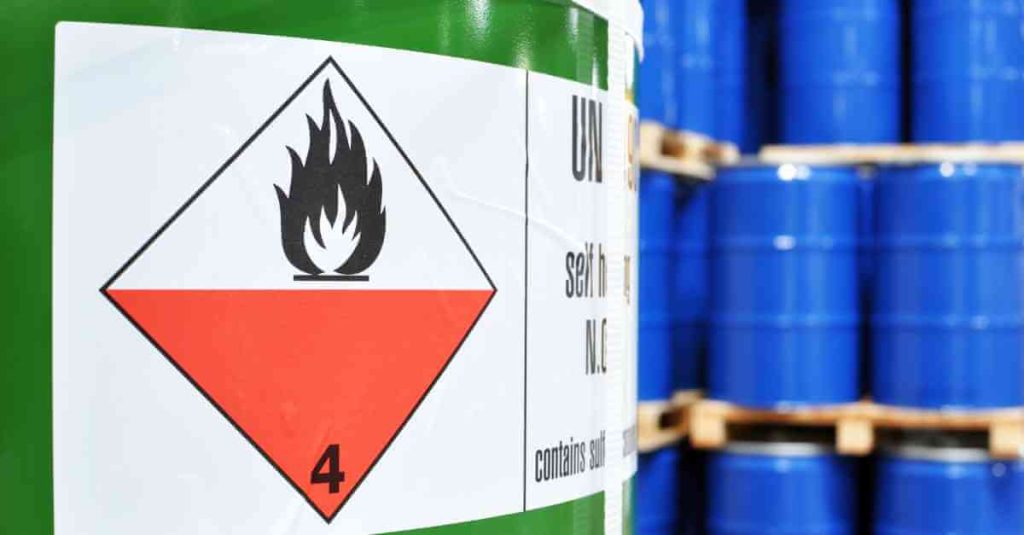
Dangerous goods freight forwarder china is the first checkpoint buyers should lock before they approve a supplier, budget, or production slot. This is the reality of choosing a dangerous goods freight forwarder in China. The IMDG Code and IATA DGR set the regulatory framework, but the real operational risk lives in the layers between you […】