

ddp shipping vs door to is the first checkpoint buyers should lock before they approve a supplier, budget, or production slot. A retail logistics manager once approved a door-to-door shipment for 2,400 units of seasonal apparel from Shanghai to Birmingham. The freight cost looked right, the transit time was acceptable, and the supplier confirmed delivery to the warehouse. Then the customs bill arrived separately — £3,200 in duties and VAT that nobody had flagged. That is the difference between DDP shipping vs door to door in its rawest form: one includes the full tax liability in the quote, the other leaves it as a surprise.
The confusion is understandable because most carriers market both options under a single banner of convenience. But when you are managing retail inventory cycles with tight margins, knowing who pays customs in есіктен есікке жеткізу matters more than most buyers realize. Over 60% of e-commerce importers now prefer DDP specifically to avoid those post-arrival shocks, according to recent trade data from major China outbound lanes.
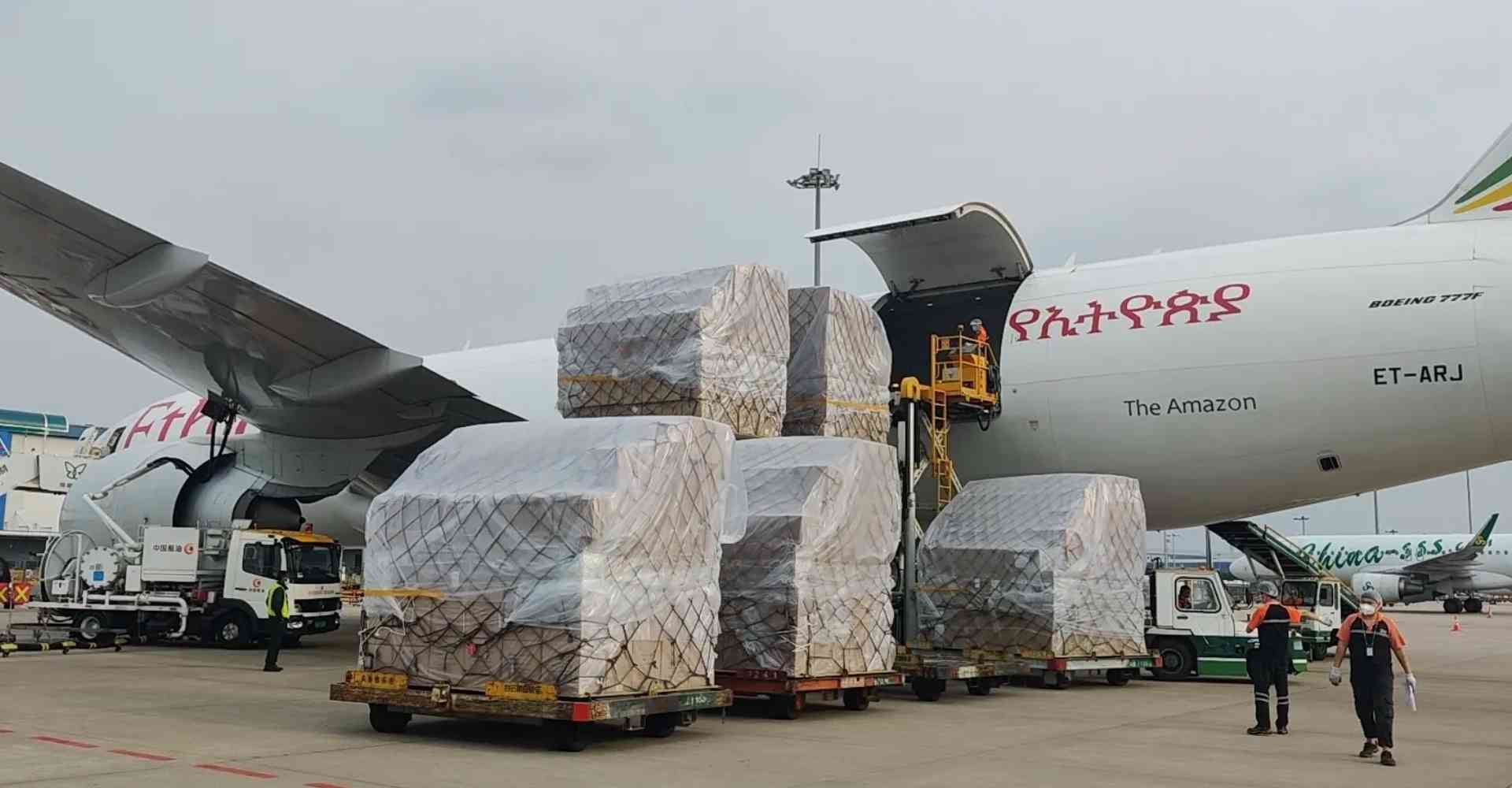
What Is Door to Door Shipping?
DDP is a subset of door-to-door, but not all door-to-door includes duties and taxes.
Most buyers use ‘door to door’ and ‘DDP’ as if they mean the same thing. They don’t. Door-to-door shipping means the carrier takes full logistics responsibility from the supplier’s warehouse in China to your receiving dock — that includes pickup, export customs, ocean or air freight, import customs, and final delivery. What it does NOT automatically include is payment of import duties and taxes. DDP (Delivered Duty Paid) is a specific Incoterms rule where the seller bears all costs and risks, including duties and taxes, until the goods are delivered to the buyer’s named place.
- Door-to-Door (without DDP): Carrier manages transport end-to-end. Buyer pays import duties, VAT, customs broker fees separately. Total cost unknown until customs clears.
- DDP (жеткізілген баж төленген): Carrier handles everything — transport plus duty/tax payment. Buyer receives a single all-in price. No surprise charges at destination.
- “Choose Door-to-Door (without DDP)” if: “You have your own customs broker in the destination country; you want visibility into every line item cost; your shipment value exceeds $50K where duty self-filing saves 1–2%.”.
- “Choose DDP” if: “You need one predictable landed cost per unit; you ship high-volume low-margin SKUs where a $500 customs surprise kills profitability; you are new to importing from China.”.
The practical difference hits your P&L directly. With standard door-to-door for a $30,000 shipment of retail electronics from Shenzhen to Los Angeles, you might face an additional $3,000–$6,000 in duties and brokerage fees after the cargo arrives — fees you did not budget for when placing the PO. With DDP shipping from China DDP included, that landed cost is locked in before production starts.
For retail logistics managers running seasonal inventory programs with tight margin targets, this predictability matters more than control over customs brokers. For e-commerce importers using Amazon FBA or Shopify fulfillment centers who cannot afford a container sitting at customs because of a missing tariff code declaration, DDP removes that operational risk entirely.
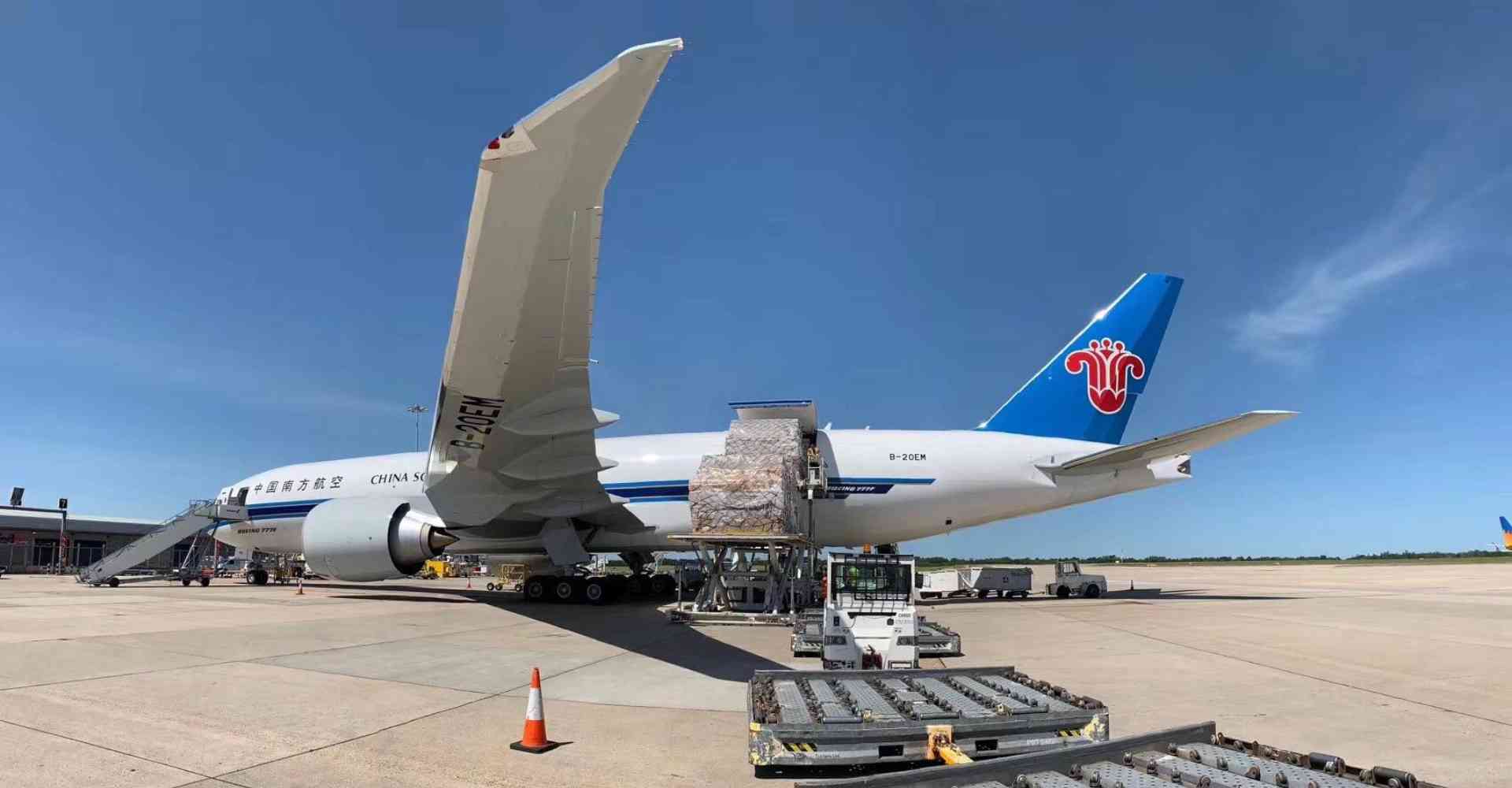
What Is DDP Shipping?
DDP is door-to-door plus duties and taxes — the seller bears all risk until delivery.
Delivered Duty Paid (DDP) is the highest level of service under Incoterms 2020. Under DDP, the seller assumes responsibility for every leg of the journey: export customs clearance at origin, main carriage by sea or air, import customs clearance at destination, payment of all duties and taxes, and final delivery to the buyer’s named address. For a retail logistics manager importing from China, DDP means one single point of contact and zero customs paperwork on your side.
Here is where most buyers get tripped up: DDP is technically a subset of door-to-door shipping, but not all door-to-door quotes include duties and taxes. A standard door-to-door (often quoted as DAP — Delivered at Place) covers transportation and delivery but leaves import duty, VAT/GST, and customs brokerage for the buyer to handle separately. With DDP, those costs are baked into the freight quote upfront. Over 60% of e-commerce importers now prefer DDP specifically to avoid surprise customs bills that can run 12–25% of cargo value depending on the destination country.
- Duty payment responsibility: DDP: Seller pays all import duties, taxes (VAT/GST), and customs broker fees. Standard door-to-door (DAP): Buyer pays these costs separately at destination.
- Customs clearance liability: DDP: Seller’s forwarder handles import customs clearance using buyer-provided documentation. Standard door-to-door: Buyer must appoint their own customs broker or agent.
- Freight cost inclusion: DDP: Single all-in price covering ocean/air freight, inland trucking in China and destination country, insurance up to 110% of cargo value, duties/taxes. Standard door-to-door: Quote covers transport only; duties/taxes are billed separately after arrival.
“Door to door shipping from China DDP included” is a common search phrase because importers want exactly this: one predictable landed cost with no hidden fees. The trade-off is control — under DDP you hand over visibility into how much your supplier paid for customs clearance. If your operation manages high-volume retail shipments through an internal logistics team that already holds a customs bond in your destination country, standard door-to-door with your own broker gives you better line-item transparency on duty rates and brokerage fees.
Key Differences at a Glance
DDP is a subset of door-to-door, but not all door-to-door includes duties and taxes.
Most buyers treat these terms as interchangeable. They’re not. The difference comes down to who carries the financial risk at customs clearance and whether freight charges include duty prepayment. Here’s how they break down for a retail logistics manager comparing quotes.
- Duty payment responsibility: Door-to-door: Buyer pays import duties and taxes separately — either directly to customs or reimburses the forwarder after clearance. DDP: Seller (or their forwarder) includes all duties, taxes, and VAT in the quoted price. No surprise bills after arrival.
- Customs clearance liability: Door-to-door: Buyer retains control over the customs broker and entry filing. Useful if you have an existing broker relationship or ship goods with complex tariff classifications. DDP: Seller’s forwarder handles clearance end-to-end. Faster for standard consumer goods, but you lose visibility into classification decisions.
- Freight cost inclusion: Door-to-door: Quote covers ocean/air freight, trucking to warehouse, and delivery — but excludes duties, taxes, and often port handling fees. DDP: One all-in number covering everything from factory gate to final delivery dock. No line-item surprises.
When to Choose Door to Door vs DDP
Let volume and duty visibility decide — not convenience.
The choice between door-to-door and DDP depends on your shipment size, frequency, and tolerance for customs risk. For small e-commerce orders under $5,000 in value, DDP is the clear winner — over 60% of e-commerce importers prefer it to avoid customs surprises. The difference in DDP vs door to door cost can be significant, but for small volumes, the simplicity of a single all-in price outweighs the savings you might get by managing customs yourself. For high-volume retail shipments over $50,000, however, handing customs control to your own broker can reduce total landed costs by 8–12%. That’s why many experienced importers ask: who pays customs in door to door shipping? The answer determines whether you hold the duty risk or your supplier does.
- Duty Payment: DDP: supplier pays duties and taxes, quoted in one price. Door-to-door: buyer pays separately, giving you visibility into actual duty line items.
- Кеден тазартпасы: DDP: forwarder or supplier selects broker. Door-to-door: you choose the broker, which matters if you have a rate agreement or prefer a specific compliance process.
- Price Transparency: DDP: easy to compare among suppliers, but hides duty margin. Door-to-door: freight and duty itemized, but requires more effort to audit.
- Best For: DDP: FBA replenishment, sample orders, low-volume SKUs, or first-time importers. Door-to-door: full containers, regular large shipments, established importers who want to optimize DDP all-in vs door to door DAP trade-offs.
- Choose DDP if: you are importing less than 1 CBM per month, need predictable landed costs, and want to avoid customs filings. The door to door shipping from China DDP included model works well for businesses that prioritize speed of decision over duty optimization.
- Choose door-to-door with own broker if: you are importing 20-foot containers monthly, have a relationship with a customs broker, and need to manage duty classification or valuation. This gives you control over the customs process and can reduce the DDP shipping cost vs door to door rates gap when volumes are high.
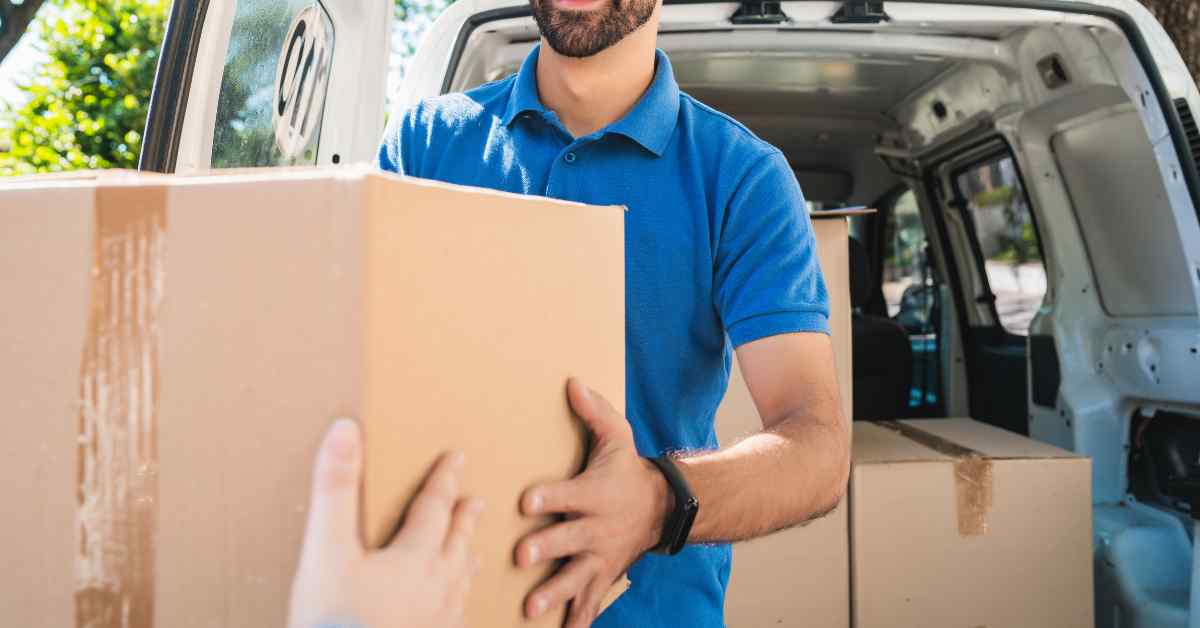
How WanSeaChina Offers Both Options
DDP is door-to-door with duties paid.
Most freight forwarders sell door-to-door as a single line item and let you assume the кеден тазартпасы and duty payment are included. That assumption costs importers thousands when a shipment lands and the broker flags an unpaid tariff or missing documentation. WanSea separates the two explicitly so you know exactly what you’re buying.
- Standard Door-to-Door (DAP): WanSea handles pickup, export customs, main carriage, and delivery to your door. You (the buyer) remain responsible for import duties, taxes, and customs clearance in the destination country. This gives you full control over the clearance process and visibility into actual duty costs — critical for retail logistics managers tracking landed cost per unit.
- DDP (жеткізілген баж төленген): WanSea manages everything including import customs clearance, duty payment, and tax settlement at destination. You receive a single all-in price with no surprise charges at the border. Over 60% of e-commerce importers choose DDP specifically to avoid unexpected customs holds that delay Amazon FBA or retail shelf restocking.
- Choose Standard Door-to-Door if: You have an established customs broker at destination; your product has stable HS code classification; you want separate invoices for freight vs duties; or you ship high-value containers where duty amounts justify internal review.
- Choose DDP if: You are new to importing from China; your shipment value is under $10,000; you sell on Amazon FBA or retail channels with strict delivery windows; or you want one invoice covering total landed cost.
The practical difference shows up in cash flow and control. With standard door-to-door, you pay duties directly to your local customs broker — that money never passes through WanSea’s hands. With DDP, we pre-fund those duties on your behalf and roll them into the quote. For high-volume retail shipments where duty rates are predictable (e.g., textiles at 12-18% into the US), many logistics managers prefer standard door-to-door to keep visibility on tariff costs. For small e-commerce orders under $5,000 FOB value where a single day of customs delay kills your delivery SLA, DDP is worth the premium.
Қорытынды
The difference between door-to-door and DDP shipping comes down to one thing: who owns the customs risk. Door-to-door gets your cargo from the factory to your receiving dock. DDP adds duty payment and clearance liability into that same price. For a retail logistics manager tracking landed cost per unit, that distinction matters every time.
Before you book your next shipment, run this three-point check with your forwarder. First, does the quote include destination customs clearance and duty payment? Second, what happens if customs holds the shipment — who handles the documentation rework? Third, can they provide a split quote showing freight vs duty costs so you can compare apples to apples? WanSea provides both standard door-to-door and DDP quotes, letting you see the full cost structure before committing. Review current pricing on the container cost page to compare options for your next retail shipment.
Жиі қойылатын сұрақтар
How to get a quote for Door to Door vs DDP Shipping from China: Key Differences?
Нақты жауап өнімнің сипаттамасына, санына және тапсырыс орнатуына байланысты. Ең қауіпсіз тәсіл – соңғы талаптар парағы құлыпталғаннан кейін ғана коммерциялық шарттарды растау. Жеткізу уақыты саны, аяқталуы және жеткізу әдісі құлыпталғаннан кейін расталуы керек.
Алдымен үлгілерді сұрай аламын ба?
Нақты жауап өнімнің сипаттамасына, санына және тапсырыс орнатуына байланысты. Ең қауіпсіз тәсіл – соңғы талаптар парағы құлыпталғаннан кейін ғана коммерциялық шарттарды растау. Үлгінің бар болуы ағымдағы қор мен жөнелту жоспарына сәйкес расталуы керек.


