
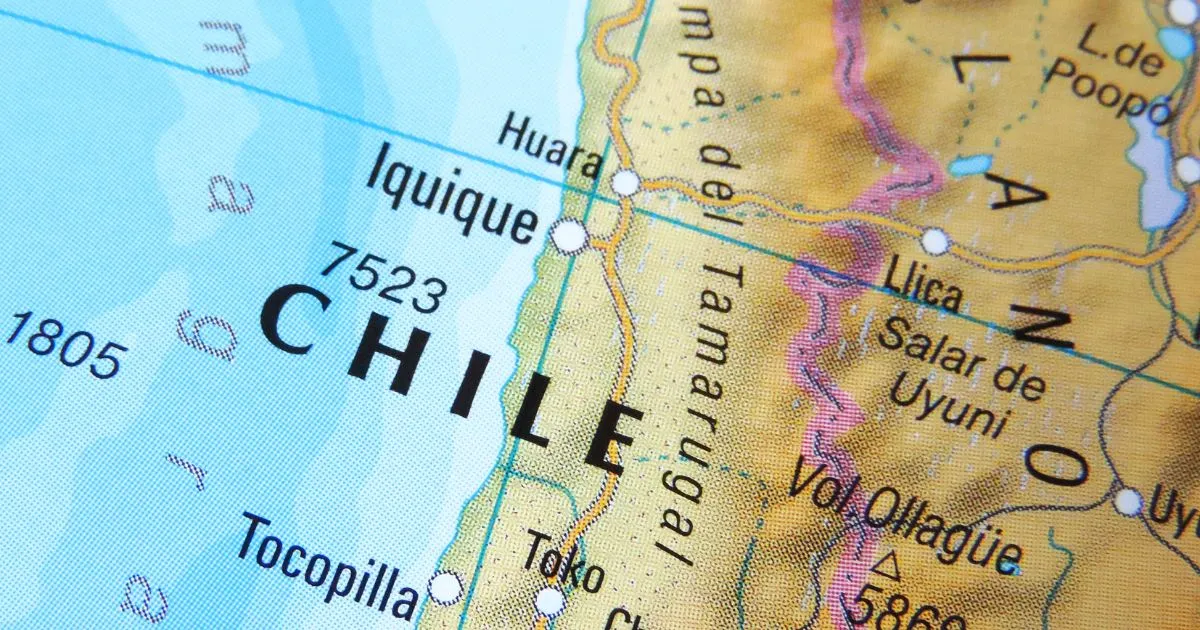
Shipping from China to Chile is a massive, well-established trade corridor—and for most small and medium importers the most cost-effective means to do so is LCL (Less-than-Container Load).
LCL allows you to ship part container loads, only pay for space used (tend to be charged per cubic metre, CBM), and reorder more frequently without capital-locking up full containers.
This extended guide covers the entire process for China → Chile LCL shipments: how it works, which ports to use, realistic transit times, cost components, customs/tax regulations, packaging and insurance advice, common issues and how to steer clear of them, and a helpful checklist and references.
Brief overview — why this is important
China provides a massive percentage of Chile’s manufacturing inputs and retail products—electronics, textiles, furniture components, plastics, industrial parts and so forth.
For most Chilean consumers (retailers, online sellers, SME producers) an entire 20′ or 40′ container is not economically viable.
LCL is perfect for orders of ~0.5 CBM to the break-even point (typically ~12–18 CBM depending on rates) since you’re sharing container space with other shippers and paying only for your portion.
LCL does involve extra handling steps, but with decent partners and proper prep it’s consistent, repeatable and cost-effective.
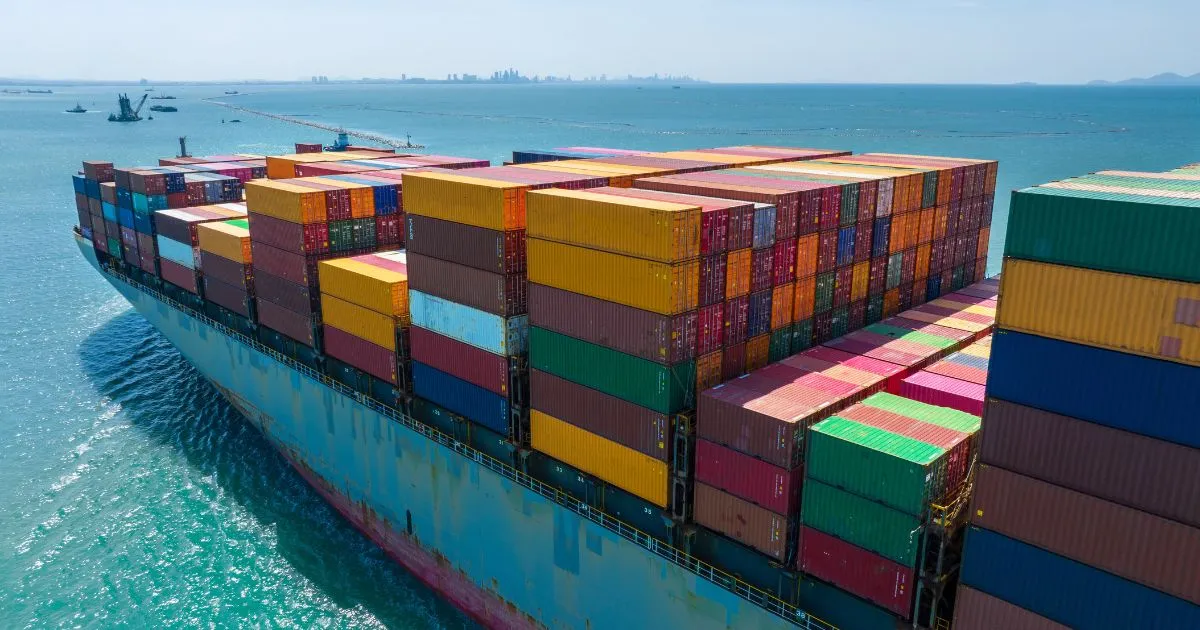
What is LCL (Less-than-Container Load)?
LCL refers to your cargo does not fill a full shipping container, and the freight forwarder groups together several shippers’ cargo at an origin Container Freight Station (CFS) into one container.
At destination, a destination CFS disassembles the container and each consignee’s cargo is sorted out.
LCL is also referred to as groupage. Industry guides and freight marketplaces cover LCL basics and practical definitions.
Most important tradeoffs:
- Pros: less initial freight cost for small shipments, more frequent shipments, simpler SKU testing.
- Cons: greater handling (greater minor-damage risk), somewhat longer door-to-door transit time (consolidation & deconsolidation), and additional line items on the invoice.
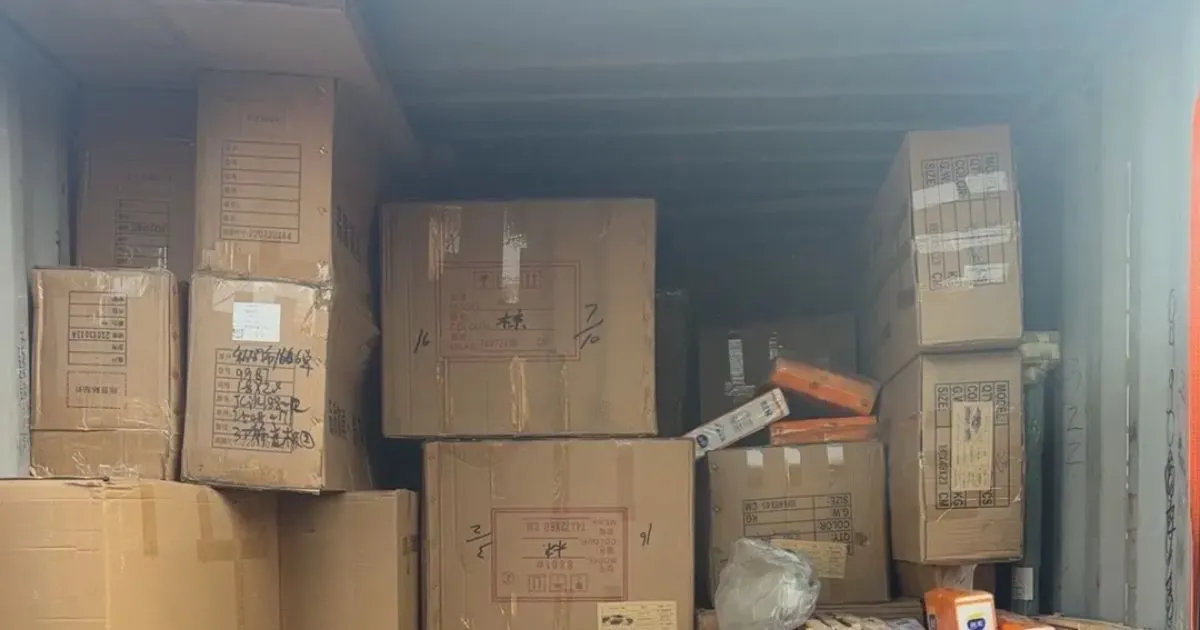
China → Chile: gateway and route alternatives
Primary origin (China) ports for LCL
- Shanghai (Yangshan) — largest east-China export center (electronics, industrial products).
- Ningbo-Zhoushan — high volume, smooth consolidation.
- Shenzhen (Yantian / Shekou) — south China procurement, electronics and consumer products.
- Guangzhou (Nansha) and Xiamen — light manufactured goods and southern exporters.
Both have good CFS networks and regular South America services. Industry port lists and transit tools include these as standard LCL origins.
Major Chilean destination ports
- San Antonio — largest container port for Chile and primary gateway for Santiago and central Chile.
San Antonio processes high volumes of TEUs and has experienced growth in recent history. - Valparaíso — significant gateway close to Santiago; recent years indicate increasing throughput and development plans.
- Iquique and Antofagasta — utilized for northern Chile distribution and mining supply chain.
Which port to use is determined by delivery point of final destination (Santiago vs. northern Chile), inland trucking cost, and carrier schedules.
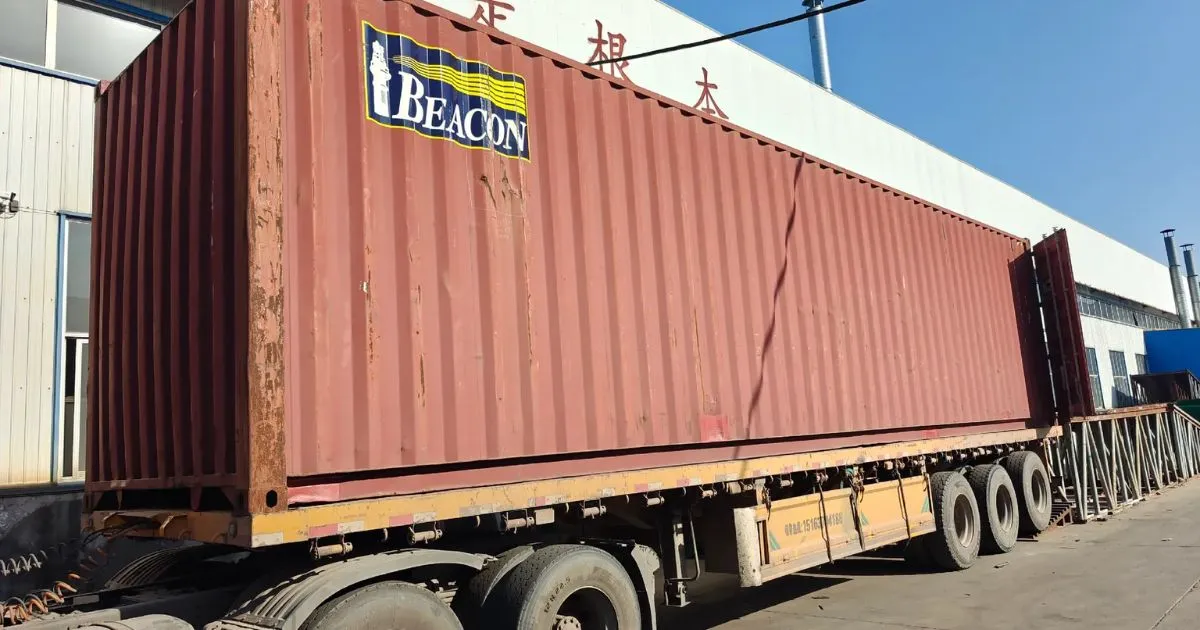
Typical transit times — reasonable expectations
Transit time is an aggregate of a number of stages: origin deconsolidation, sea journey, destination consolidation and customs clearance, and overland delivery.
Typical ranges:
- Shenzhen/Guangzhou (South China) → San Antonio / Valparaíso (sea only): approximately 30–40 days depending on routing and transshipment.
- Shanghai / Ningbo → San Antonio / Valparaíso (sea only): approximately 35–45 days.
Include 2–7 days at origin for CFS cut-offs and consolidation, and 2–7 days at destination for customs and deconsolidation in regular circumstances. Door-to-door typically is 35–55 days for LCL imports; always add buffer time during peak seasons and possible port congestion. Current market snapshots and routing tools validate these working assumptions.
How the LCL procedure functions (step-by-step)
An efficient LCL shipment adheres to this workflow:
- Request itemized quotes from 2–3 forwarders (itemized = origin charges, ocean per-CBM, destination charges, customs brokerage, inland delivery, insurance). Do not rely on headline per-CBM only.
- Supplier packing & paperwork — supplier completes commercial invoice, packing list, and packs goods to CFS specification (palletize where feasible).
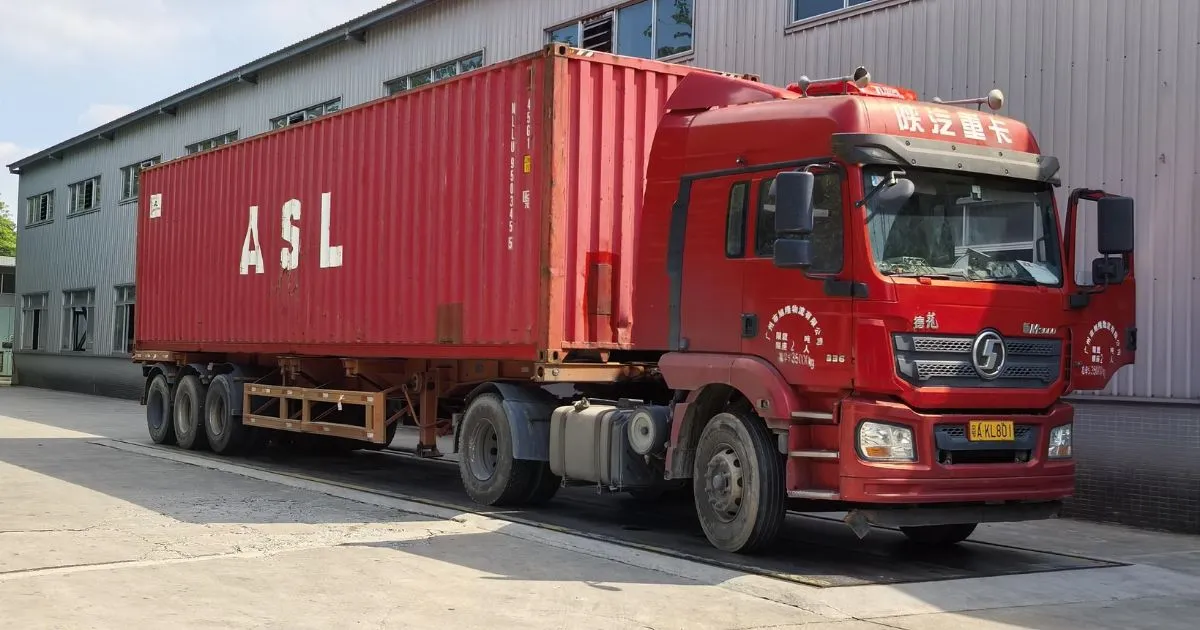
- Pickup to origin CFS — forwarder collects or supplier delivers to consolidator’s CFS; goods are measured (CBM) and documented.
- Consolidation (stuffing) — the CFS groups several shippers into one box and generates a House Bill of Lading (HBL) for each shipper.
- Export customs clearance (China) — forwarder/exporter submits export declaration.
- Ocean voyage — box ships to Chile (possible transshipment at Panama, Colombia, or Caribbean hub depending upon service).
- Destination CFS deconsolidation — box is unloaded and shipments removed; destination documents prepared.
- Import customs clearance (Chile) — customs declaration filed (see docs below), duties/VAT settled or deferred per importer arrangements.
- Final delivery — cargo delivered to consignee or warehouse.
Good forwarders pre-check supplier docs and packaging to avoid holds that delay whole containers.
Cost components — what you’ll pay
LCL invoices are multi-line. Ask forwarders to break out each of these items:
- Origin charges (China): pickup, CFS receiving/stuffing, documentation.
- Ocean LCL freight (per CBM): your portion of the ocean freight of the container.
- Destination charges (Chile): destination THC, CFS deconsolidation, documentation fees, handling.
- Customs duties & VAT: depending on HS code and CIF value (Cost + Insurance + Freight).
19% is the VAT standard rate in Chile, payable on the dutiable base (check latest SII rules prior to shipment). - Inland delivery / drayage: port → consignee.
- Insurance: marine cargo (optional).
- Surcharges: BAF, currency surcharges, peak season charges, security charges.
Example illustration (very rough; use live quotes): small retail LCL, 3 CBM Shenzhen → San Antonio.
- Ocean LCL freight: USD $30/CBM → $90
- Origin & consolidation fees: $120
- Destination handling & CFS: $150
- Local trucking to Santiago: $200
- Insurance & brokerage: $60
- Subtotal pre-duty/VAT ≈ $620 → add duty + 19% VAT on CIF to determine landed cost.
Since prices fluctuate according to demand, always receive itemised, door-to-door quotations and an estimate of customs duty on your HS code.

Documents for Chile import (core list)
To clear goods into Chile you’ll typically require:
- Commercial Invoice (correct description, unit price, total).
- Packing List (quantity, dims, gross/net weights).
- Bill of Lading (HBL & Master B/L).
- Certificate of Origin (if you intend to claim preferential tariff under trade agreements).
- Import declaration (DUA / Single Customs Document) — submitted electronically through Chilean customs systems.
- Permits/licenses for controlled products (food, chemicals, pharmaceuticals, telecoms).
- Insurance certificate (where insured).
Get it right: discrepancies between invoice, packing list and bill of lading are the most frequent reasons for customs requests and inspections.
Customs, duties and VAT in Chile — practical observations
- Customs tariffs: Different for different HS codes; many inputs and capital goods are tariffed little or nothing at all, but final consumer goods tend to be dutiable.
Chile’s tariff schedule (Arancel Aduanero) is the official list; employ its search for exact rates. - VAT: Regular VAT is 19% on imports (CIF + duty). Recent regulations have increased VAT regulation for digital platforms and low-value imports—importers and marketplaces need to comply with the SII digital VAT regulations. Verify up-to-date SII advice prior to dispatch.
- Preferential treatment: If merchandise is eligible under trade agreements (e.g., China-Chile FTA or other arrangements), a valid Certificate of Origin can exempt or lower duties—verify rules of origin meticulously.
Use an authorized Chilean customs broker to pre-classify HS codes and estimate duty + VAT so your landed cost is correct.
Packaging & labeling — best practices for LCL
LCL shipments get handled several times — robust packing minimizes damage and claims:
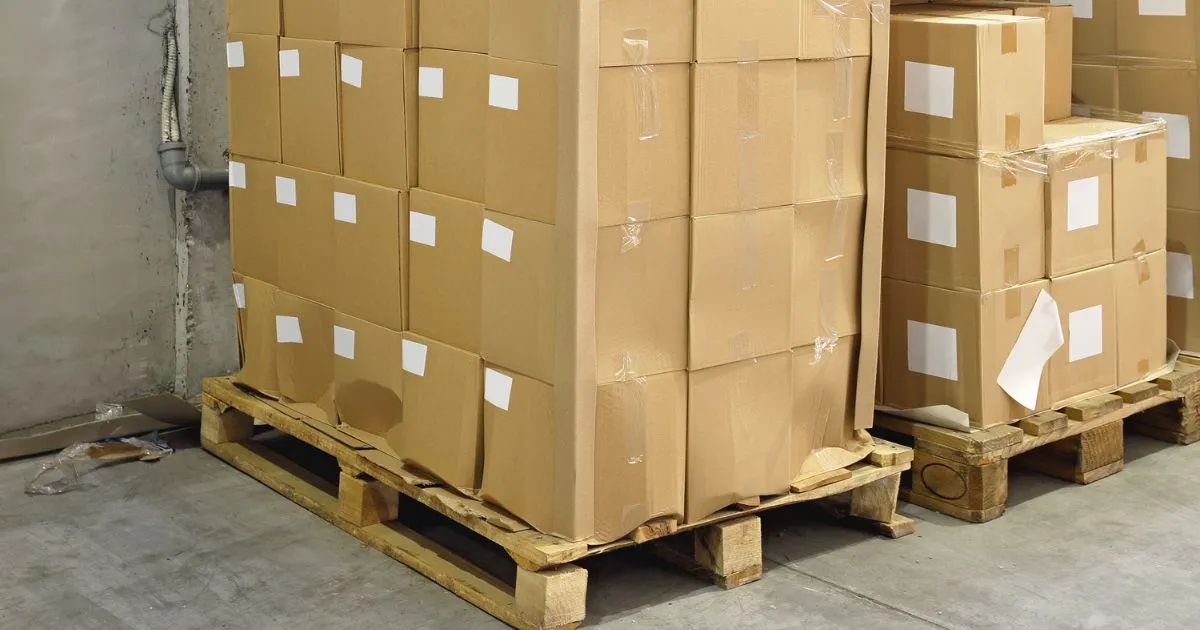
- Palletize boxes and strap and stretch film.
- Double-wall cartons for heavier loads.
- Internal cushioning for fragile parts.
- Label each carton with consignee, PO#, gross/net weight and orientation marks.
- Give your forwarder correct dims & weights — LCL billing is CBM-based and CBM disputes are frequent if packs are inaccurately stated.
- Segregate hazardous materials and correctly declare them.
Keep records of packed pallets by photo prior to pickup to assist in settling disputes in the event of damage claims.
Insurance — highly recommended
LCL has additional handling touch points than sealed FCLs; marine cargo insurance (All-Risks, warehouse-to-warehouse) is recommended.
Verify policy covers CFS periods and inland trucking and declared values equate to CIF/landed cost.
Most common errors and how to avoid them
- Concealed destination charges — require itemized quotes stating origin charges, ocean per-CBM, destination THC, CFS charges, brokerage and delivery.
- Inadequate packaging — palletize and support.
- Wrong HS codes or under-valuation — obtain broker pre-classification to prevent delays and fines.
- Consolidation delays — catch CFS cut-offs or your cargo goes on the subsequent sailing. Schedule lead time accordingly.
- Peak season traffic — book ahead for pre-Chinese New Year, mid-year and Q4 peak windows; port traffic can drive rates and demurrage up. Recent news illustrates throughput spikes and port pressure at Valparaíso and San Antonio during peak months.
Selecting a freight forwarder / consolidator — how to ask
- Do you operate consolidation in my supplier’s city and have established CFS partners at the destination port?
- Can you give me itemised door-to-door quotations?
- How often are your consolidation windows for my origin port (weekly/daily)?
- Do you pre-audit supplier documents and packaging?
- Can you manage Chile customs brokerage and deliver inland?
What insurance coverage and claims support do you provide?
A straightforward forwarder who responds to these succinctly and provides references will save headaches and dollars.
LCL vs FCL — when to switch
- LCL is generally better for small, repeated shipments (<12–18 CBM based on market rates).
- FCL is economical when your volume is near full 20′ or 40′ container (handling touchpoints decrease and per-CBM cost goes down).
Request forwarders to perform a break-even analysis (LCL per-CBM × CBM + origin/destination charges vs FCL base rate + split costs) prior to ordering in bulk.
E-commerce and Chilean fulfillment
If shipping into Chilean marketplaces or fulfillment centers directly, LCL is an option to transport pallet-level inventory at less expense than by air.
However, verify marketplace regulations for labeling, import compliance, and VAT invoicing—electronic VAT regulations demand precise treatment for consumer sales.
Case study (illustrative) — 4 CBM of home furnishings from Shenzhen to Santiago (San Antonio)
Scenario: Small retailer requires 4 CBM of homeware shipped monthly.
Estimated (representative) costs:
- LCL ocean freight: $35/CBM = $140
- Origin CFS & stuffing: $120
- Destination THC & CFS: $180
- Customs broker & clearance: $90
- Inland trucking to Santiago: $220
- Insurance & misc: $50
- Pre-duty subtotal: ≈ $800
Add customs duty (it varies by HS) and VAT 19% on CIF + duty.
LCL allows the retailer to order every month and not bear the capital expense of an FCL; palletized packing resulted in claims being practically zero in several shipments.
Sustainability note
Consolidation (LCL) maximizes container use compared to numerous small airfreight shipments or half-full FCLs, reducing unit emissions.
Carbon metrics are reported by many forwarders these days and offsets are available—request a carbon report if your brand cares about sustainability.
WanSea — your LCL partner from China to Chile
WanSea provides LCL and FCL shipping from any Chinese port to Chile.
Our LCL service includes:
- Free consolidation warehousing at primary Chinese hubs (Shenzhen, Ningbo, Shanghai, Xiamen).
- Collection from any supplier city and safe packing/palletization.
- Itemised, transparent door-to-door quotations (origin charges, ocean per-CBM, destination fees, customs brokerage, inland delivery).
- Pre-audit of documentation (invoice, packing list, HS codes) to prevent consolidation holds.
- Support with Certificate of Origin and preferential tariff claims where applicable.
- Full cargo insurance and claims handling.
- Local Chilean network of customs brokers and inland delivery partners to Santiago, Valparaíso, Antofagasta and Iquique.
- 24/7 customer support and real-time tracking.
If you send frequently, WanSea can perform LCL vs FCL break-even calculations and establish standing rates to lower your per-CBM cost.
Last checklist before you book LCL China → Chile
- Obtain 3 itemized quotations and compare total landed cost.
- Incoterm confirm (FOB is standard; EXW incurs inland pickup charges).
- Pre-classify HS codes and ask your Chilean customs broker for duty + VAT estimate.
- Ensure supplier gives proper commercial invoice & packing list with dimensions and weights.
- Palletize & photograph goods before pickup.
- Purchase All-Risks marine insurance covering CFS periods.
- Use 35–55 days door-to-door and pad for peak season.
References
The following are regulatory sources and trade resources used in preparing this guide.
They will assist you in cross-checking rates, accessing current VAT/tariff regulations, and searching for port performance or transit calculators:
Freightos — What is LCL shipping? Industry guide and LCL basics.
Freightos — LCL glossary & resources. Real-life explanations of consolidation, CFS operations and pricing mechanics.
Servicio Nacional de Aduanas (Chile) — official customs portal and importer advice (documents, processes).
Chile VAT advice & news (SII / tax summaries) — VAT normal rate and e-commerce VAT changes; latest rate: 19%. (View tax authorities and PwC country tax summaries.)
Port and transit news / route information — shipping route and estimated transit times for China → Chile lanes (industry route pages and market snapshots).
Valparaíso & San Antonio ports news — recent throughput and port performance updates (cargo growth and capacity data).
Chile customs tariff (Arancel Aduanero) — tariff structure and HS code references.