

China is the world’s manufacturing powerhouse, exporting trillions of dollars’ worth of goods annually to every corner of the globe.
Whether you’re a small business owner importing products for resale or a large enterprise managing complex supply chains, shipping cargo from China efficiently can make or break your business’s profitability.
This ultimate guide guides you through everything you must know on shipping from China — from the chief means of transportation, transit time, cost factors, customs procedures, and avoidance of delays and expense.
Understanding Cargo Shipping from China
Exporting Chinese commodities is the process of moving commodities from a Chinese supplier or producer to a foreign buyer.
According to the urgency, weight, and cost of shipment, businesses use sea freight, air freight, rail transport, or express carriers.

Depending on the urgency of the shipment, the weight and size of the cargo, and the overall shipping budget, businesses typically choose between sea freight, air freight, rail transport, or express courier services.
Each method comes with its own balance of cost, speed, and reliability, allowing companies to tailor their logistics strategies to customer demands and market requirements.
Planning considerations:
- Type of commodity (e.g., machinery, fabrics, electronics)
- Volume of shipment (Full Container Load or Less than Container Load)
- Destination regulation (import restriction, tariffs, customs)
- Time sensitivity
- Cost considerations
Principal Modes of Exporting out of China
China has become the world’s largest exporter, supplying a vast range of products to nearly every country. For businesses sourcing from China, understanding the main modes of exporting is essential to balance cost, time, and reliability.
Each method—whether by sea, air, rail, or express—offers its own advantages depending on the type of goods, shipment volume, and delivery deadlines.
By knowing the principal modes of export, importers can make informed logistics decisions, streamline operations, and maximize efficiency in international trade.
Ocean Shipping
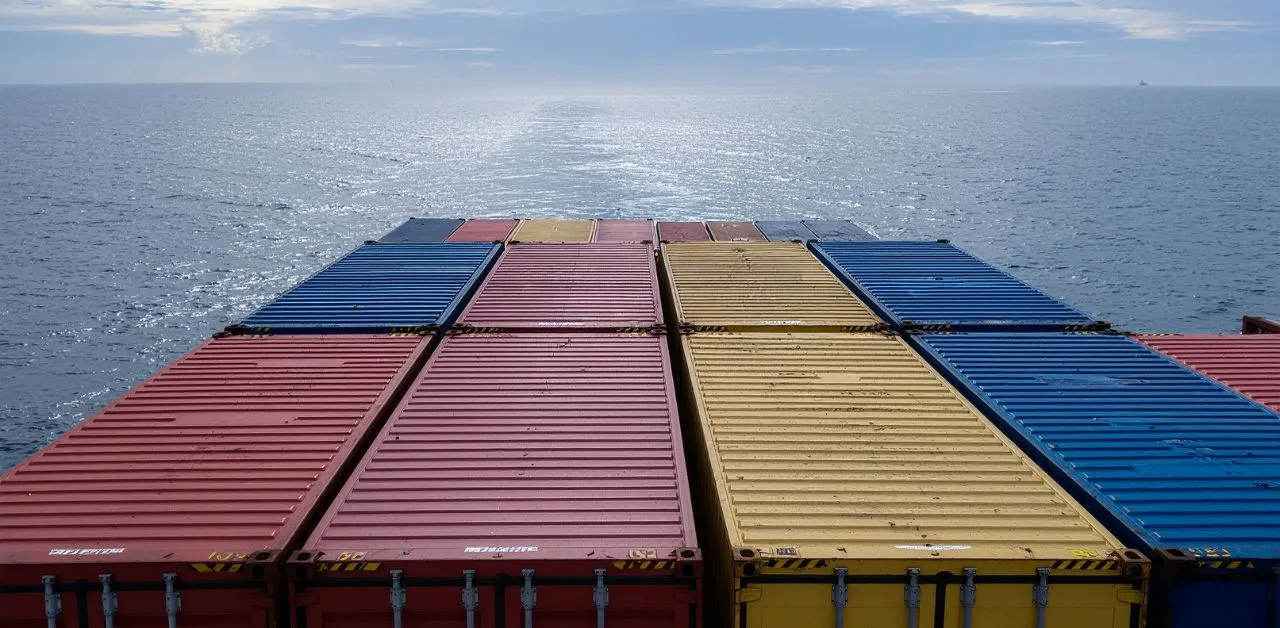
Ocean shipping is the most common and economical for heavy or bulky goods. Goods are placed inside shipping containers and shipped by cargo vessels from Chinese ports such as Shanghai, Shenzhen, Ningbo, Guangzhou, and Qingdao.
Strengths:
- Cheaper for bulk commodities
- Carries heavy and large weight
- Types of containers (20ft, 40ft, refrigerator)
Weaknesses:
- Longer delivery time (15–45 days depending on destination)
- Chance of port congestions
Air Freight
Air freight is best suited to perishable or high-value products, or urgent deliveries. Big airports in China like Shanghai Pudong International Airport (PVG) and Guangzhou Baiyun International Airport (CAN) have routes to most major airports worldwide.
Benefits:
- Quick delivery (2–10 days)
- Scheduled times
- High-value or perishable freight suitable
Drawbacks:
- Expensive compared with sea transport
- Weight and size limitations
Rail Freight
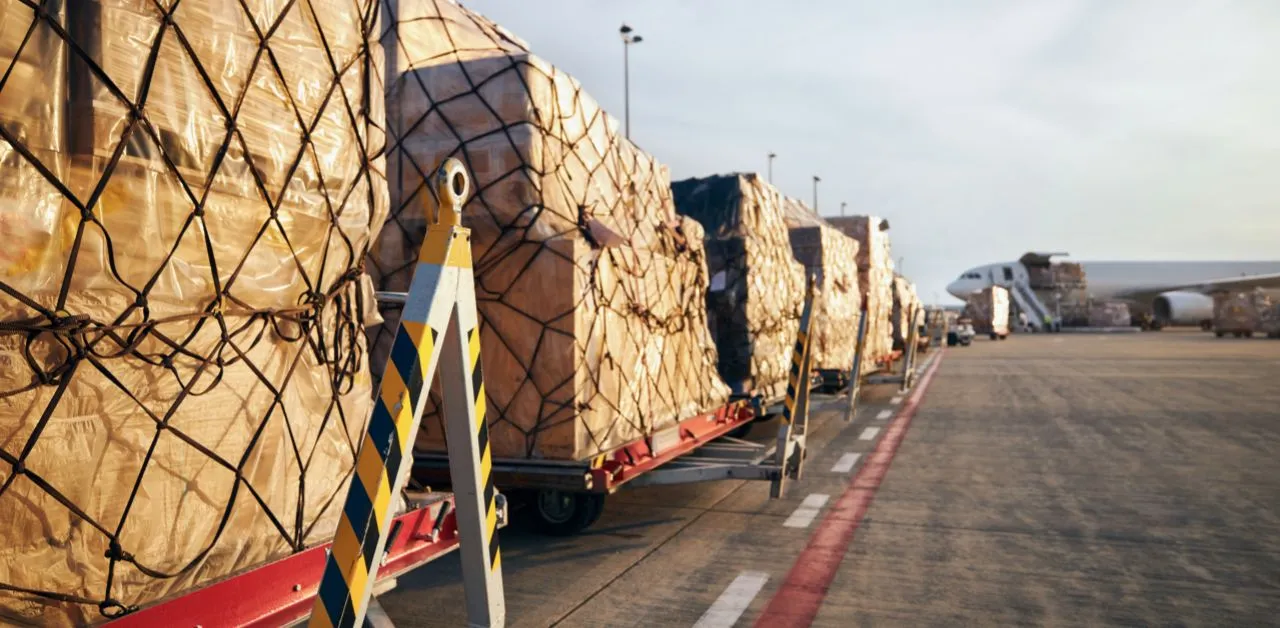
Chinese rail freight is employed predominantly in transportation to Europe and neighboring nations in the China-Europe Railway Express.
Advantages:
- Faster than shipping by sea (15–20 days to Europe)
- Less expensive than via flight
- Less environmentally unfriendly than flight
Disadvantages:
- FEW routes
- Not well-suited to deliver outside of Eurasia
Express Couriers
Express parcels and small shipments utilize services such as DHL, FedEx, UPS, and SF Express.
Advantages:
- Door-to-door service
- Trackable
- Very fast (3–7 days worldwide)
Disadvantages:
- Cost per kilogram can be expensive
- Not very suited to bulk freight
China Shipping Charges
Shipping charges from China are determined by several key factors, and understanding them is essential for accurate cost planning.
The mode of transport—sea, air, rail, or express—plays the biggest role in pricing, with sea freight being the most economical for bulk goods and air freight suited for urgent, lightweight shipments.
Additional cost elements include shipment volume (measured in CBM or weight), fuel surcharges, customs duties, port handling fees, and seasonal demand fluctuations.
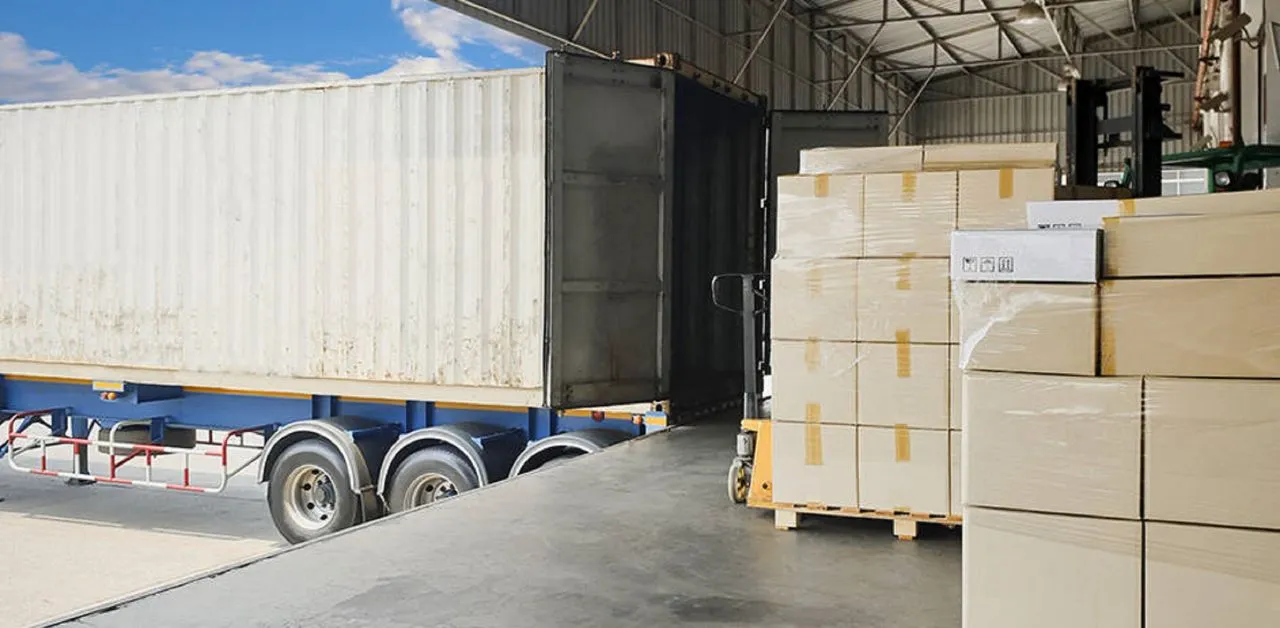
Distance and shipping routes also influence final charges. By carefully assessing these factors, businesses can anticipate expenses, negotiate better freight rates, and optimize their supply chain budgets.
Chinese shipping charges are determined by a number of factors:
- Shipping Medium – Sea freight is the most economical, and air freight is quicker but the costliest.
- Weight and Dimensions – Sea freight is normally volume-based (CBM), and air freight is per kilogram.
- Destination – Longer distance or inland destination draws larger charges.
- Incoterms – FOB, EXW, and CIF are just some of the Incoterms that detail who pays for what in shipping.
- Seasonality – Peak season rates (e.g., prior to Chinese New Year, back to school, and holidays).
China Transit Times
Transit times for shipping from China vary widely depending on the mode of transport, final destination, and customs efficiency.
Sea freight is the slowest but most cost-effective option, typically taking 20–40 days depending on the port of delivery.
Air freight offers much faster delivery, usually 3–7 days, making it suitable for urgent or high-value shipments.
Rail freight, often used for cargo to Europe, averages 12–25 days, while express courier services like DHL, UPS, or FedEx can deliver within 3–5 days.
Seasonal congestion, port delays, and weather conditions can also affect actual timelines, making proper planning essential.
Typical transit times from China to key regions:
- USA (West Coast): 15–20 days (sea), 3–7 days (air)
- USA (East Coast): 25–40 days (sea), 3–7 days (air)
- Europe: 25–35 days (by sea), 4–8 days (by air), 15–20 days (by rail)
- Australia: 12–20 days (by sea), 3–6 days (by air)
- Middle East: 15–25 days (by sea), 3–7 days (by air)
- Africa: 25–45 days (by sea), 5–10 days (by air)
Major Chinese Shipping Ports for Exporting Freight
China’s strategic position as a global manufacturing hub is supported by its extensive network of shipping ports. These ports act as critical gateways for international trade, facilitating the movement of goods efficiently across the globe.
Understanding the major Chinese ports, their locations, and specialties helps businesses choose the most suitable departure point for their cargo, optimizing both shipping time and costs.
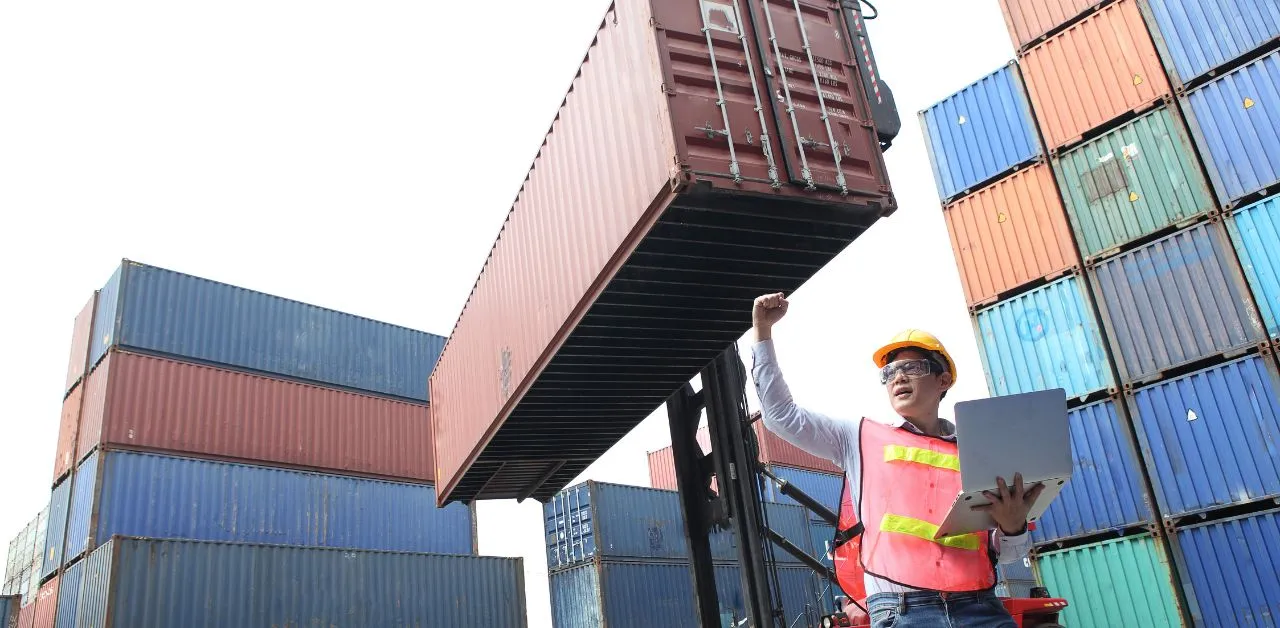
Whether exporting electronics, textiles, or bulk commodities, selecting the right port can significantly influence overall logistics efficiency and ensure smoother export operations.
Selecting the right port impacts shipping efficiency, transit time, and cost, making it essential for businesses to align their logistics strategy with port capabilities and proximity to suppliers.
China’s shipping is controlled by a number of world-class shipping ports. Its busiest among them are:
- Port of Shanghai – Largest container terminal in the world
- Port of Shenzhen – Electronics export hubs
- Port of Ningbo-Zhoushan – Production center of East China
- Port of Guangzhou – South China’s supporting industries
- Port of Qingdao – Largest shipping center of Northern China
Customs and Documentation
Navigating customs procedures and preparing the correct documentation is a crucial step when exporting goods from China.
Proper paperwork ensures smooth clearance, prevents delays, and avoids penalties. Exporters must comply with both Chinese export regulations and the import requirements of the destination country.
Key documents typically include commercial invoices, packing lists, bills of lading, certificates of origin, and any required licenses or permits.
Understanding these requirements in advance allows businesses to streamline the shipping process, reduce potential bottlenecks, and maintain timely delivery schedules for their international customers.
You are required to complete proper documents to ship cargo correctly from China:
Documents Needed:
- Bill of Lading (B/L) or Airway Bill (AWB)
- Commercial Invoice
- Packing List
- Certificate of Origin
- Import Licenses (if applicable)
- Insurance Certificates (if applicable)
Tip: Never forget to double-check your importing country’s regulations so that delay can be evaded.
Common Challenges Shipping Out of China
- Port Congestion – Causes delay, particularly in peak season.
- Delays at Customs – On account of incomplete or incorrect documents.
- Freight Rate Fluctuations – The freight rates will change according to fuel prices, demand, or political unrest.
- Supplier Delays – Factory delays in production or packaging.
- Holiday Shutdowns – Chinese New Year can suspend production for weeks.
8 Success Tips to Ship Cargo from China
- Plan in Advance – Plan in advance to ship, particularly pre-peak season.
- Work with Reliable Freight Forwarders – Experienced forwarders bring smoother clearance with the customs and less delay.
- Select the Right Incoterms – Determine responsibilities with your supplier.
- Consolidate Shipment – Ship more than one shipment to save.
- Monitor Shipments – Monitor online for real-time monitoring.
- Be Aware of Insurance – Insure your merchandise against loss or damage.
The Freight Forwarder’s Role
Freight forwarders are middlemen who act as brokers between shippers and carriers, handling the entire logistics transaction. They:
- Book transportation
- Customs clearance
- Offer warehousing facilities
- Allow tracking of shipments
- Negotiate best rates
Pro Tip: Employing a forwarder experienced in Chinese exports can be a time- and money- and headache-saver for small businesses.
Future Shipping Trends from China
- Digital Freight Platforms – More transparency and booking speed.
- Green Logistics – Increased deployment of green ships and rail.
- Blockchain in Shipping – Securing and tracking shipping.
- Belt and Road Initiative – Unleashing China’s trade routes to the rising world.
Conclusion
Shipping Chinese freight can be intimidating but is a manageable experience if you know what is available to you, how much it costs, what documentation is necessary, and when to have it in your possession.
With advance planning, by utilizing reputable freight forwarders, and keeping pace with market fluctuations, downtime can be eliminated and productivity maximized.
Regardless if you select sea freight as the cost-saver, air freight as the time-saver, or rail as the compromise, your shipping strategy has to be priority to your business.
References
World Shipping Council. Top 50 World Container Ports.
Freightos. Guide to Importing from China.
China Briefing. Understanding China’s Ports and Logistics.
International Chamber of Commerce. Incoterms® 2020 Explained.