If you’re shipping exports overseas by sea freight, you’ll have two standard choices: FCL (Full Container Load) and LCL (Less than Container Load).
These names play a significant role in what method of loading your merchandise, how you will pay, how fast it will get there, and risks.
So, what is the difference between FCL and LCL shipments and how do you know which is best for your business?
In this detailed guide, we will outline the definitions, advantages and disadvantages, applications, and cost implications of FCL and LCL shipping to help you make informed logistics choices.

The Basics of FCL and LCL
What is FCL (Full Container Load)?
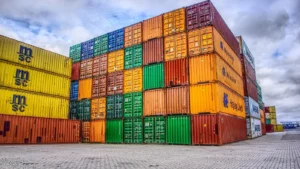
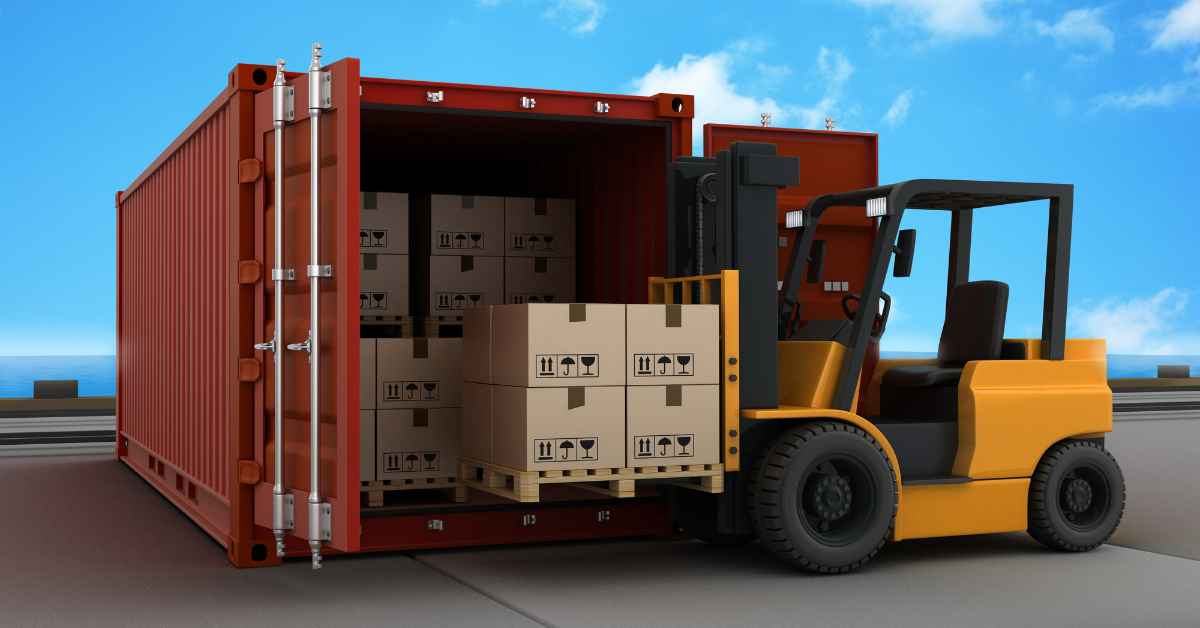
FCL is shipping cargo that fills the entire container, usually a 20-foot or 40-foot container.
The container is rented whole for a single shipper’s cargo, although the container is not always filled to capacity.
What Is LCL (Less than Container Load)?
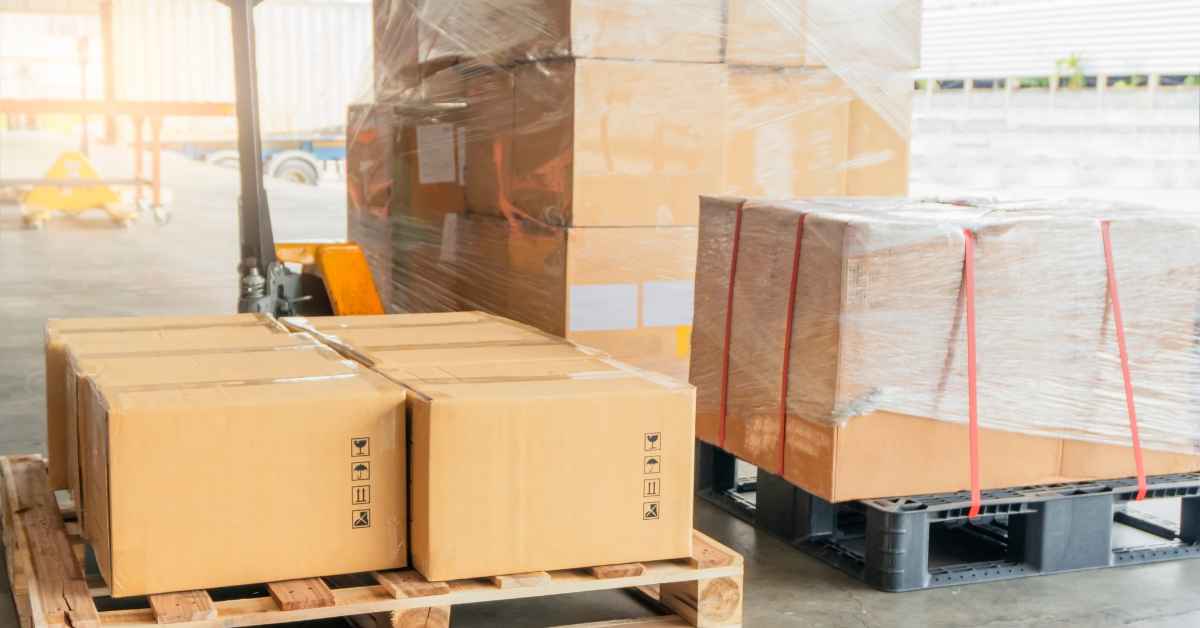
LCL is cargo that does not occupy a whole container, and therefore, gets consolidated together with cargo of other companies or individuals.
The containers are shipped in shared containers by freight forwarders who deconsolidate and consolidate cargo at origin and destination terminals.
Main Differences Between LCL and FCL
| Aspect | FCL (Full Container Load) | LCL (Less than Container Load) |
| Container Usage | One shipper per container | Multiple shippers share container |
| Cost Basis | Priced per container | Priced per CBM (Cubic Meter) |
| Volume Threshold | Usually ideal if cargo is ≥15 CBM | Ideal for <15 CBM |
| Transit Time | Faster, direct route | Slightly longer due to consolidation |
| Handling Risk | Lower (less handling) | Higher (multiple handlings) |
| Customs Clearance | Simplified process | Shared documents may delay clearance |
| Security | Higher (sealed container) | Lower (more parties involved) |
| Flexibility | Less flexible for small volumes | Highly flexible for small shipments |
When to Use FCL
Use FCL shipping is generally recommended when:
- You have big volume cargo (usually 13–15 CBM or more).
- You need quicker transit and delivery.
- You require exclusive use of the container for security or privacy reasons.
- You are shipping high-value or sensitive cargo.
- You want to avoid delays via cargo mixing or customs delays.

Example:
An Indonesian furniture manufacturer ships 30 CBM of teakwood chairs to a Los Angeles warehouse.
FCL is best because it offers cost economies per CBM, lesser risk of damage, and shorter travel times.
When to Use LCL
LCL shipping suits best
- Businesses shipping small lots or samples (1–10 CBM).
- New businesses or small exporters with sporadic shipments.
- Initial shipments of new products abroad.
- Cutting down holding costs of stock (just-in-time logistics).
Illustration:
An Indian textile exporter sends 3 CBM rolls of cloth to a Paris boutique.
LCL shipping is economical to send the products without incurring unused container space charges.
FCL charges are typically flat-rate per container (i.e., per 20-foot or 40-foot unit) and independent of how full the container will be.
But cost per cubic meter gets less expensive with more volume.
- 20ft container (around 33 CBM): $1,500 – $3,000
- 40ft container (around 67 CBM): $2,500 – $4,500
Note: Prices depend on trade route, season, and fuel surcharges.
LCL Pricing
LCL shipment is billed by CBM, and generally includes:
- Freight charge per CBM
- Handling and documentations charges
- Consolidation/deconsolidation fees
- Minimum charges (usually ≥1 CBM)
Note: If your volume is around 13–15 CBM, LCL will be more expensive than FCL, with extra handling and per-unit costs.
Comparison of Transit Times
| Transit Stage | FCL | LCL |
| Port to Port | Faster (direct) | Slower (extra stops) |
| Origin Handling | Shorter | Longer (consolidation) |
| Destination Handling | Shorter | Longer (deconsolidation) |
| Customs Clearance | Faster (single consignee) | Slower (shared clearance) |
Summary:
LCL shipments typically take 5–7 more days owing to additional handling and coordination.
Handling and Risk
Since LCL cargo is blended with other shipments:
- Your cargo can be touched many times, with high chances of damage.
- You can have your delivery delayed in case the documents of another shipper are not accurate.
- Your items can be stored for a long time in warehouses containing incompatible materials that destroy sensitive contents.
Contrary to FCL shipments that are:
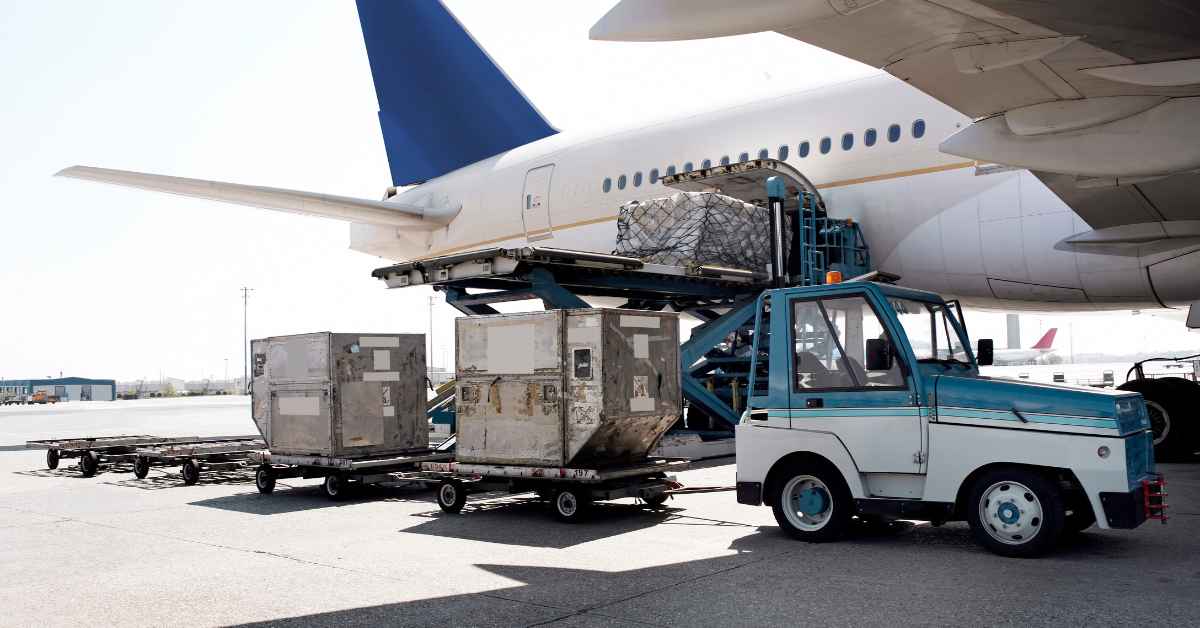
- Handled once at the origin point and once again at the end point.
- Only sealed and opened by the consignee or customs.
- Less prone to theft, damage, or tampering.
Differences in Customs Clearance
FCL:
- whole container cleared under single shipper’s documents.
- Easier and faster to clear.
- Less vulnerable to hold-up by third parties.
LCL:
- every shipping in the container has to be cleared prior to one releasing the container.
- Delayed shipping holds up all the others which use the same container.
- Group clearance, which delays delivery.
Space and Inventory Management
FCL shipping is appropriate for companies with:
- High inventory turnover
- Warehouse space
- Consistent volume of shipping
- LCL shipping is useful for:
- Just-in-time inventory systems
- Minimum amount of warehouse space
Emerging companies experimenting with foreign market demand
Misconceptions
❌ “LCL is always cheaper.”
✅ Not necessarily. On large shipments, FCL is less expensive per unit of volume.
❌ “FCL implies the container needs to be full.”
✅ FCL implies sole use, not necessarily a full container.
❌ “LCL is risky for all goods.”
✅ LCL is best for non-breakable, neat, well-packed goods. It’s used extensively by reputable firms across the globe.
How to Make the Decision Between FCL and LCL
Step-by-Step Decision Guide
- Measure Your Cargo (Length × Width × Height) and total CBM.
- Obtain Pricing for Both FCL and LCL from your freight forwarder.
- Estimate Time Sensitivity: Is speed of delivery crucial?
- Consider Cargo Sensitivity: Is your cargo high value or delicate?
- Consider Destination Capabilities: Do you have the sufficient warehouse space to manage high volumes?
- Customs Planning: Do you need quicker clearance?
Practical Advice
- Always use a professional freight forwarder to obtain reliable quotes on both FCL and LCL.
- Don’t omit asking for origin/destination handling, warehousing, and trucking charges—their marginal cost can be significant.
- Pack your cargo carefully for both FCL and LCL. Rough seas in FCL also can affect the integrity of the cargo.
- Take notice to insure cargo for both options in order to safeguard your products against damage or loss.
Last Thoughts
Whether to use FCL or LCL shipping is not merely a matter of size—it’s also about cost, time, risk, and business objectives.
If you’re shipping big volumes or require speed and security, FCL is the way to go.
If you’re venturing into new markets, working on thin budgets, or shipping low volume loads, LCL provides flexibility and economies.
Knowing the distinction between FCL and LCL empowers importers and exporters to make smarter logistics decisions, save shipping costs, and get their goods safely transported to their foreign destinations.
References
FIATA – International Federation of Freight Forwarders Associations
Incoterms 2020 – International Chamber of Commerce
Freightos – Ocean Freight Comparison Guide