
Awọn ohun-ini ọkọ ayọkẹlẹ: Ohun ti Olura ati Awọn kọsitọmu nilo
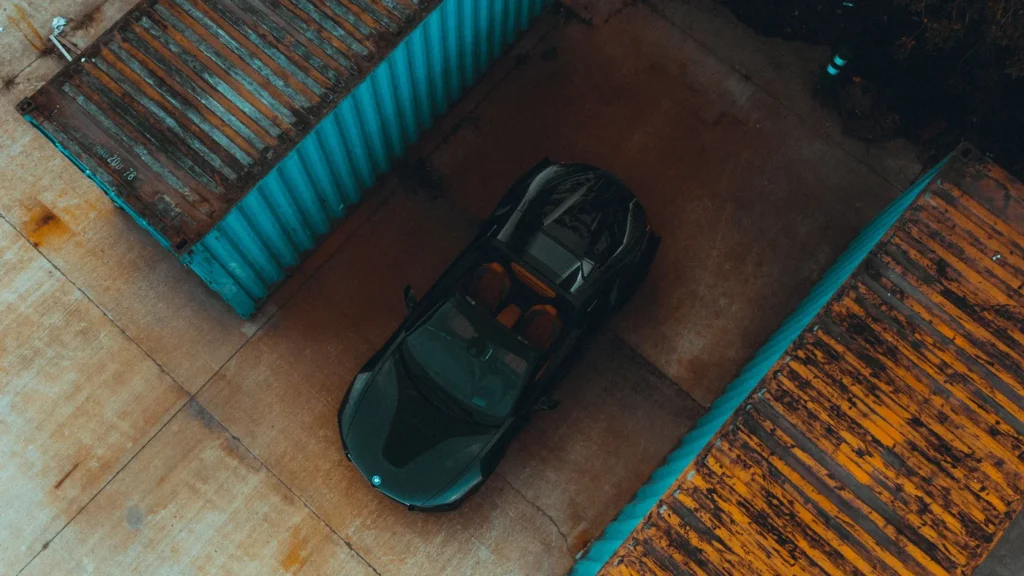
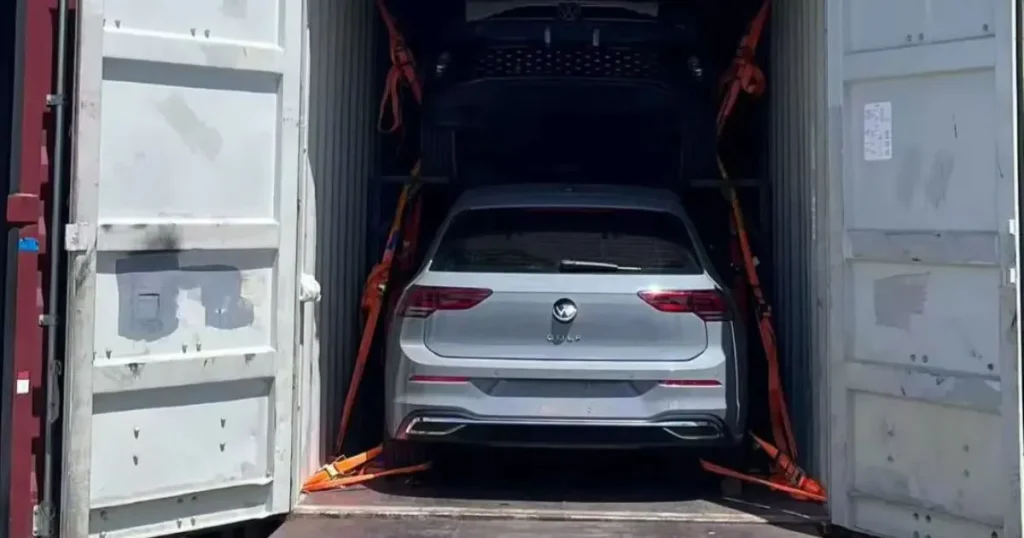
You can ship a car with personal belongings inside, but not under the rules most people find online. Those rules describe domestic auto transport: a suitcase in the trunk, an allowance some US auto transporters advertise at about 100 lb, no valuables. An international container shipment from China is a different problem, because the car […]
Itusilẹ ẹru LCL: Awọn iwe aṣẹ marun ti o ṣii CFS naa
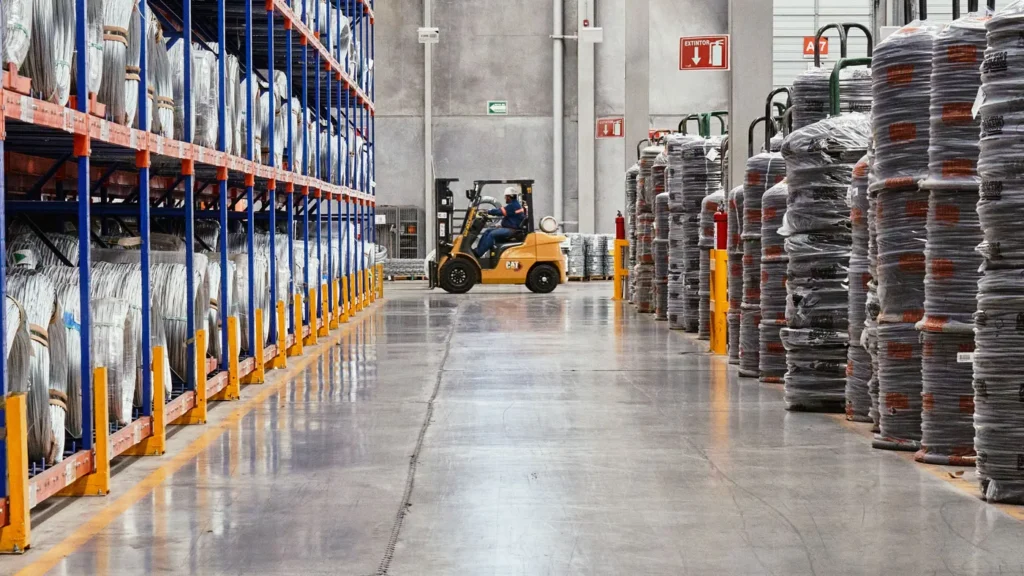
Ẹru LCL ko lọ kuro ni ibi-ajo CFS nitori pe ọkọ oju-omi ti tu silẹ. O kuro nigbati awọn ẹnu-bode ọtọtọ marun ti o yatọ: ti tu iwe-owo ile silẹ, akiyesi dide baamu pẹlu oluranlọwọ, awọn idiyele ẹru ati awọn idiyele ibi-ajo ti yanju, awọn kọsitọmu ti tu iwọle silẹ, ati CFS ti ṣe igbasilẹ ẹnu-ọna. ẹnu-ọna ti o padanu […]
Ogoji Cartons: Okun, Afẹfẹ tabi KIAKIA? Ṣiṣe Awọn idiyele Ti o wa titi
Forty cartons is not a volume decision. It is a fixed-cost decision. At that size, the difference between sea, air and express is rarely the per-cubic-meter rate or the per-kilo rate; it is the minimum charge, the origin handling fee, the destination fee and the time cost that sit on top. LCL quotes a shipment […]
Ẹrọ ti a lo Pẹlu Epo ti o wa ninu rẹ: Ṣe O le Sowo bi?

Used machinery with oil still inside can usually ship, but not as ordinary cargo without the right paperwork. The booking question is what is left in the tank, lines, sump and hoses: free-flowing liquid makes the unit a dangerous goods question, while a properly drained and cleaned machine usually moves as general cargo with a […]
Ifihan AD/CVD: Dopin pinnu, kii ṣe koodu HTS
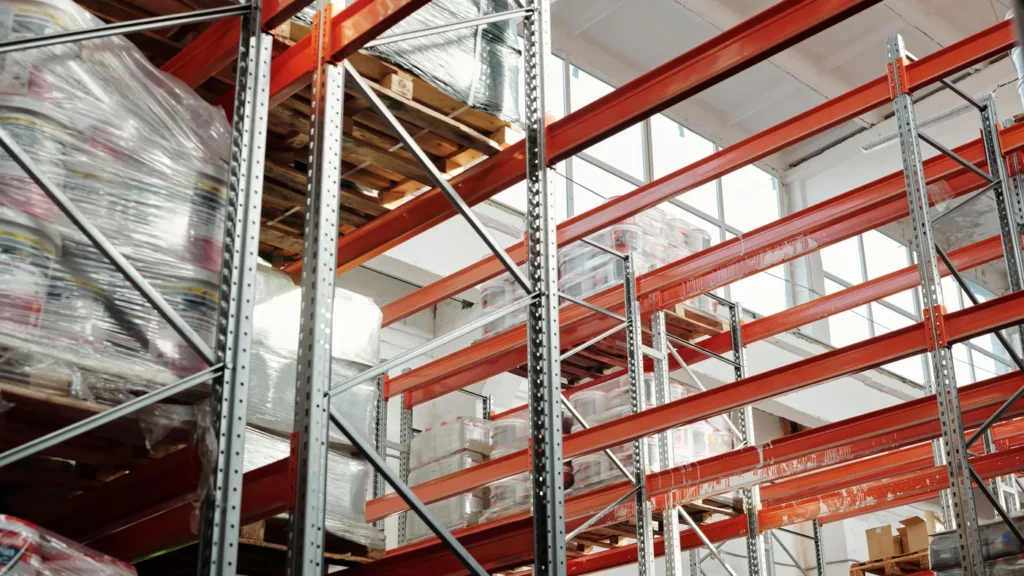
A supplier’s assurance that your product is “not subject to AD/CVD” is not a customs classification. Antidumping and countervailing duty coverage is decided by the scope language of an order, and only a scope ruling from the Commerce Department settles it. If the entry turns out to be covered, the importer of record carries the […]
Nkowọle Awọn ọja Alailẹgbẹ? Aago 7-ọjọ Lẹhin atimọle

If US customs detains your shipment because it carries a recorded brand, the deadlines are regulatory, not commercial. Under 19 CFR 133.21, CBP may detain suspect merchandise for up to 30 days from the date it is presented for examination, must notify the importer in writing within five business days of the detention decision, and […]
Ti ṣe owo fun Awọn mita onigun diẹ sii? Bi o ṣe le Jiyàn Rẹ
You can dispute a re-measured cubic meter charge, but a packing list alone rarely wins it. Ocean LCL is billed on the volume the pricing rule recognizes, and that rule is written into the quote, the booking confirmation, the forwarder’s terms and the house bill of lading. So the dispute has two questions, in this […]
EXW tabi FOB? Iwe Ijajajajaja naa pinnu Ewo ni o din owo

EXW kii ṣe nikan “o san oko nla.” Under Incoterms 2020, Ex Works also hands the export clearance to the buyer, and in China that clearance is the document the export VAT refund is built on: the exporter named on the declaration is the party that claims the refund against the matching VAT invoices. A […]
Idiyele Tita akọkọ: Faili CBP Nireti lati Wo

First sale valuation can lower the duty base when a manufacturer sells to a middleman and the middleman sells to the U.S. importer. You declare the earlier, lower price instead of the middleman’s marked-up price. The rate stays the same; the value it applies to changes. The method is not automatic. The importer must prove […]
Yipada Awọn iwe-owo ti Ibalẹ: Atokọ Ibeere Ṣaaju ki Olugbese Gba
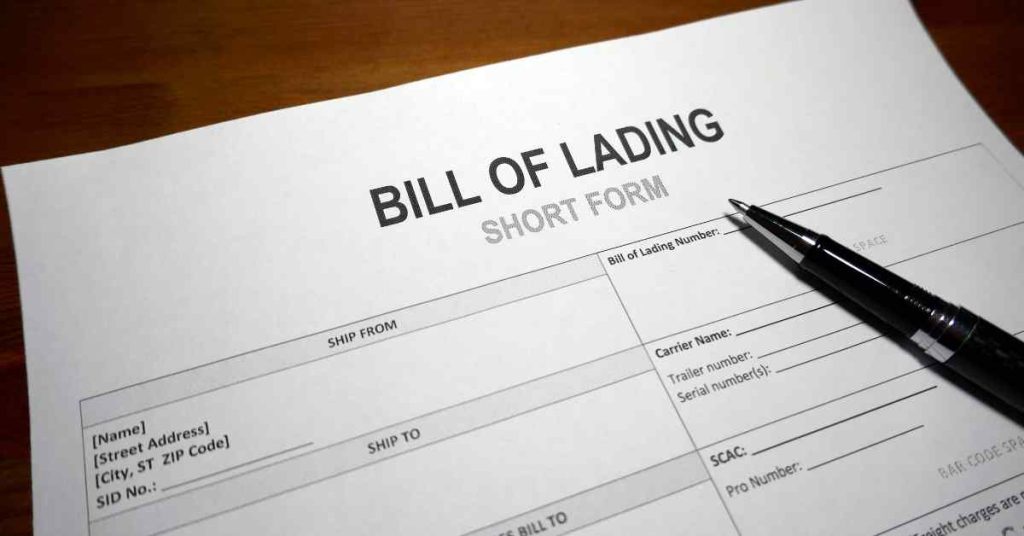
A switch bill of lading is a second set of bills issued to replace the original set for the same cargo and voyage. It is not a correction note and not a copy. Carriers issue it only after the original set is surrendered and cancelled, because two live bills for one container can create competing […]