

China has become the globe’s leader in car manufacturing, producing millions of vehicles every year, ranging from low-cost cars to luxury electric cars (EVs).
With Chinese domestic auto brands like BYD, Chery, Geely, NIO, and SAIC racing ahead at lightning speed, most businesses and citizens around the world want to buy Chinese cars due to the fact that they are cheap, technologically superior, and very fuel-efficient.
However, buying a car from China is not as simple as clicking on the Internet. It is a series of legal, logistical, and financial procedures that involve careful planning.
This is a step-by-step guide to import car from China, including regulations, costs, shipping, documents, and tips for a hassle-free importation process.
Why Import a Car from China?
Importing a car from China has become increasingly popular due to several compelling reasons.
Chinese manufacturers offer a wide range of vehicles at competitive prices, often more affordable than similar models in local markets.
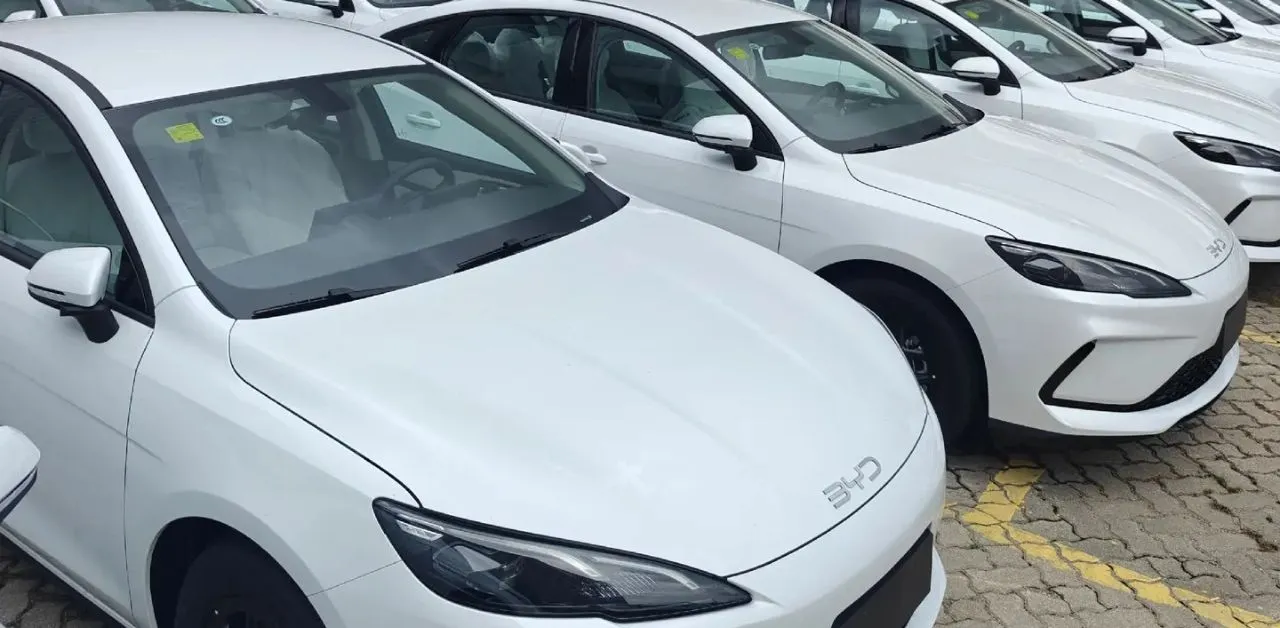
Additionally, China produces innovative electric vehicles and specialized models that may not be available elsewhere.
Importing also allows buyers to access high-quality components, customizable options, and the latest automotive technologies.
For businesses and individuals alike, sourcing cars from China can mean significant cost savings, diverse choices, and access to vehicles that meet specific preferences or regulatory requirements in their home country.
Before diving into the process, it’s important to understand why people choose to import vehicles from China:
- Competitive Pricing – Chinese manufacturers offer vehicles at significantly lower prices than many Western or Japanese brands.
- Electric Vehicle (EV) Leadership – China dominates the EV industry, producing affordable electric cars with advanced battery technology.
- Wide Range of Models – From compact cars to SUVs, trucks, and buses, China provides multiple options for importers.
- Customization Facility – Producers typically offer facility for customization of design, specifications, or logos in case of bulk orders.
- Growing Global Demand – Countries in Southeast Asia, Africa, the Middle East, and even certain regions of Europe are ordering more with China due to their affordability.

Step 1: Research Import Regulations in Your Country
Every country also has rules regarding the importation of automobiles, and not all Chinese vehicles will be eligible. Some countries only get new vehicles, whereas others can accept used vehicles but under certain conditions.
- United States: Vehicles that are imported must comply with EPA emissions standards and DOT safety standards. Vehicles under 25 years old must meet with these standards; otherwise, they cannot be lawfully driven on the road in the United States.
- European Union: Vehicles must comply with Euro 6 emissions standards and CE marking.
- Middle East & Africa: Some countries allow used cars, whereas others (e.g., Saudi Arabia) only allow importing newer models.
- Philippines/India: Import charges are extremely high and closely controlled in most instances, rendering car importation excessively expensive.

Tip: Always check with your country’s transport ministry or customs office before purchasing.
Step 2: Find a Reliable Car Supplier or Dealer in China
Before importing a car from China, it’s essential to locate a dependable supplier or dealer.
A trustworthy source ensures the vehicle meets quality standards, complies with export regulations, and arrives safely.
Researching verified manufacturers, checking credentials, and reviewing past client feedback can help identify reputable options.

This step lays the foundation for a smooth import process, minimizes risks, and ensures that your investment in the vehicle is secure and worthwhile.
The secret is finding the right supplier. Options are:
- Direct from Manufacturers – BYD, Geely, and Chery usually work with foreign buyers.
- Authorized Dealers – There are Chinese dealerships that specialize in exporting vehicles to foreign nations.
- Alibaba or Made-in-China Platforms – These websites list authorized car exporters but require stringent background checks.
- Car Export Agents – Experienced agents can buy cars, handle paperwork, and organize shipping.
Tip: Always request for business licenses, references, and car photos/videos before payment. Do your due diligence to avoid scams.
Step 3: Know the Importing Cost of a Car from China
Before proceeding with your purchase, it’s crucial to calculate all costs involved in importing a car from China.
Beyond the vehicle price, you need to consider shipping fees, insurance, customs duties, taxes, and any additional handling charges.
Factoring in these expenses helps you avoid unexpected financial surprises and ensures your budget aligns with the total cost.
Understanding the full import cost also allows for better comparison between suppliers and shipping options, ensuring you make a cost-effective and informed decision while planning your vehicle import.
Importing a car is not merely the cost of the car. Major expenses are:
- Vehicle Cost – Price of the car itself (factory price or dealer price).
- Shipping Charges – Depending on sea or air shipment, container type, and port distance.
- Sea Freight (Most sought after): $800 – $2,500 per vehicle in a container.
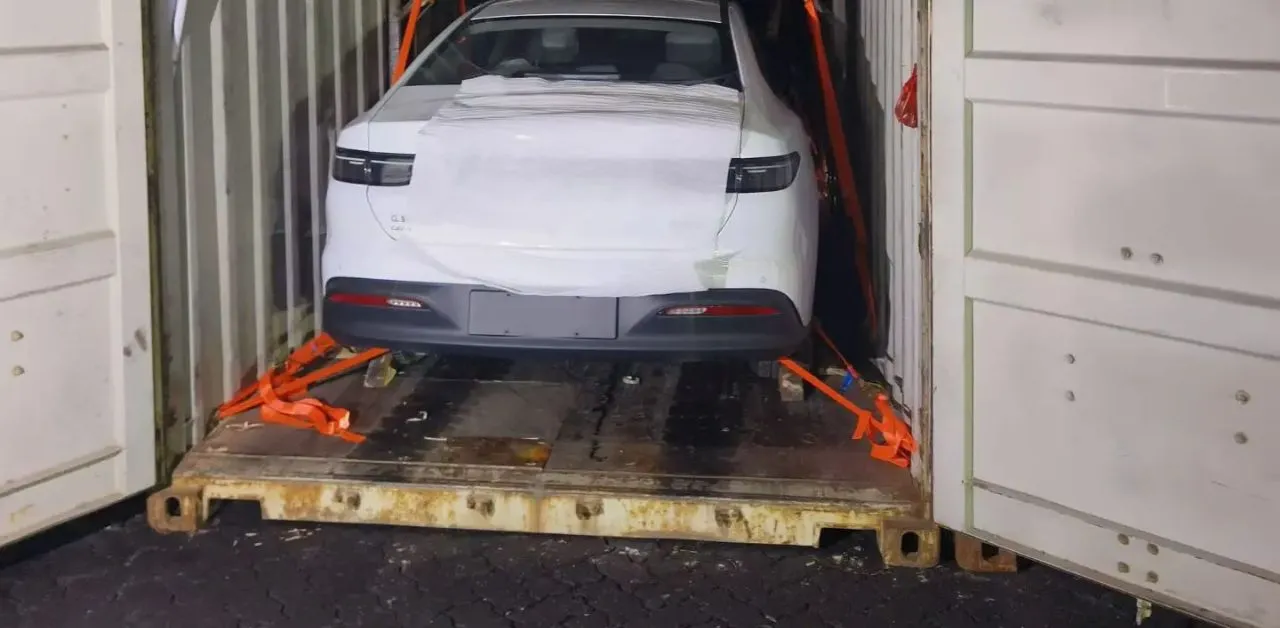
- RoRo Shipping: $700 – $1,500 per vehicle.
- Air Freight: $5,000+ (emergency or luxury shipments only).
Customs Duties & Taxes – Dependent on country. Example:
- U.S. duty on passenger vehicles: 2.5% value.
- EU tariffs: 10% duty + VAT.
- African countries: Duties are as high as 40-60%.
- Insurance – Cargo insurance is highly recommended (1-2% of car value).
- Port & Documentation Fees – Handling, unloading, and customs papers.
- Compliance Costs – Adjustments to adapt to local emissions or safety laws.
Example: A $15,000 Chinese car will be up to $20,000–$25,000 when shipped and including import fees, depending on your country.
Step 4: Choose a Shipping Method
Selecting the right shipping method is essential for the safe and timely arrival of your car from China.
The two primary options are Roll-on/Roll-off (RoRo) shipping, where vehicles are driven onto the ship and secured for transit, and container shipping, which offers added protection by placing the car inside a container.
Your choice depends on factors such as cost, vehicle type, destination port, and level of security needed.
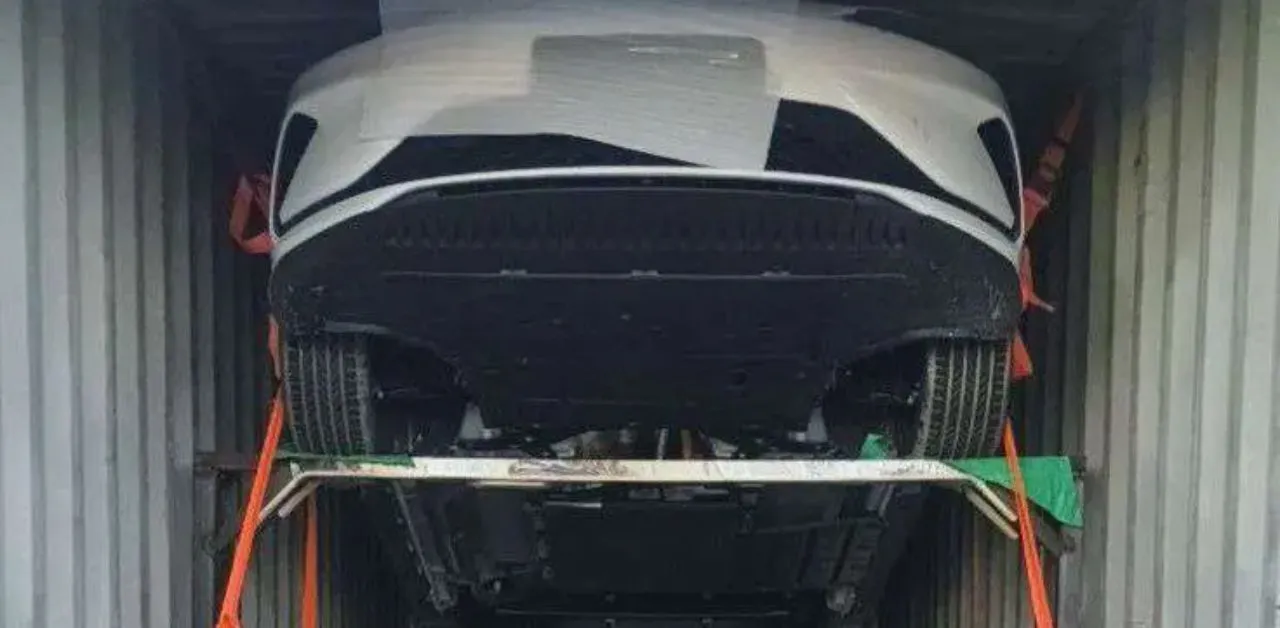
Container shipping is often more expensive but provides better protection, while RoRo is cost-effective and widely used for standard vehicles.
There are three major shipping methods for cars from China:
RoRo (Roll-on/Roll-off)
- Cheapest method of vehicle shipping.
- The vehicles drive directly onto the ship and then back onto the dock at the destination port.
- No container necessary, but the vehicle needs to be operational.
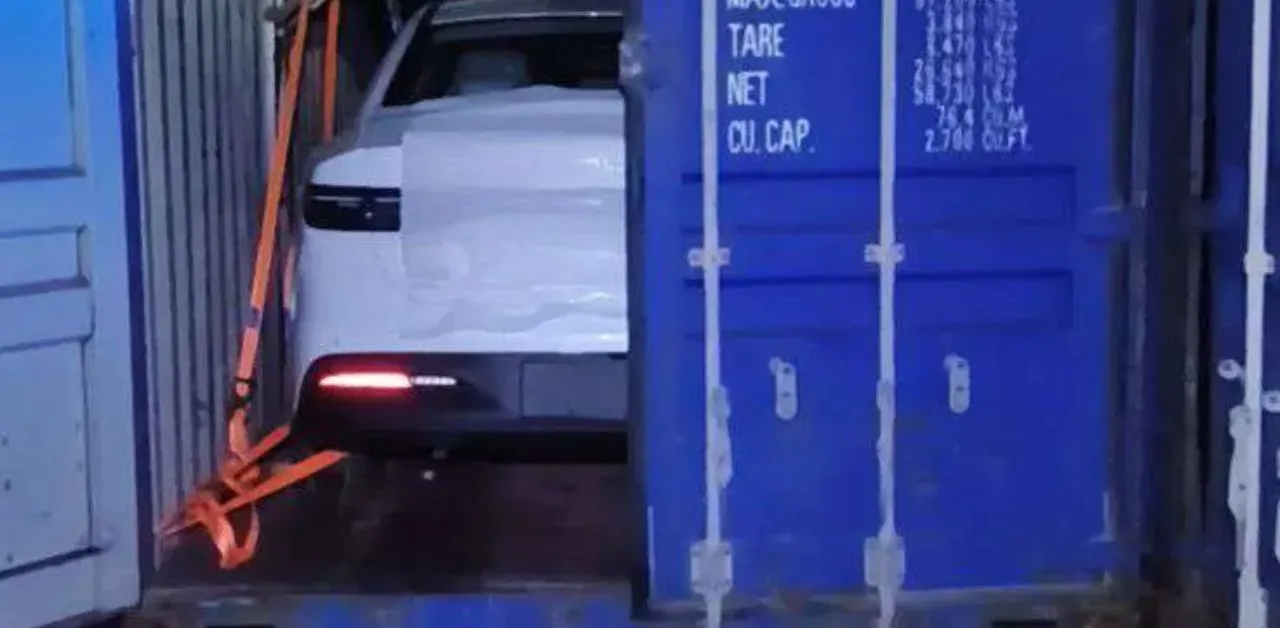
Container Shipping
- Vehicles are driven into 20ft or 40ft containers.
- Safer than RoRo and allows more spare parts to travel together.
- More costly than RoRo but offers better protection.
- Rapidest way (1–2 weeks).
- Very costly, normally for luxury or urgent cargoes.
Tip: For individuals, RoRo is normally the most affordable. For traders receiving many cars, container shipping is faster.
Step 5: Necessary Documents for Importing Chinese Vehicles
Some important documents are needed to clear the customs and register the vehicle in your country:
- Bill of Lading (B/L) – Document of shipment provided by shipping company.
- Commercial Invoice – Invoice of the seller, which shows the value of the vehicle.
- Packing List – Details of the vehicle and additional component shipped.
- Certificate of Origin – Guarantees that the vehicle was manufactured in China.
- Export License – Provided by the Chinese exporter.
- Insurance Certificate – Certificate of cargo insurance cover.
- Emissions/Safety Certificates – Certificates demonstrating compliance with your country’s standards.
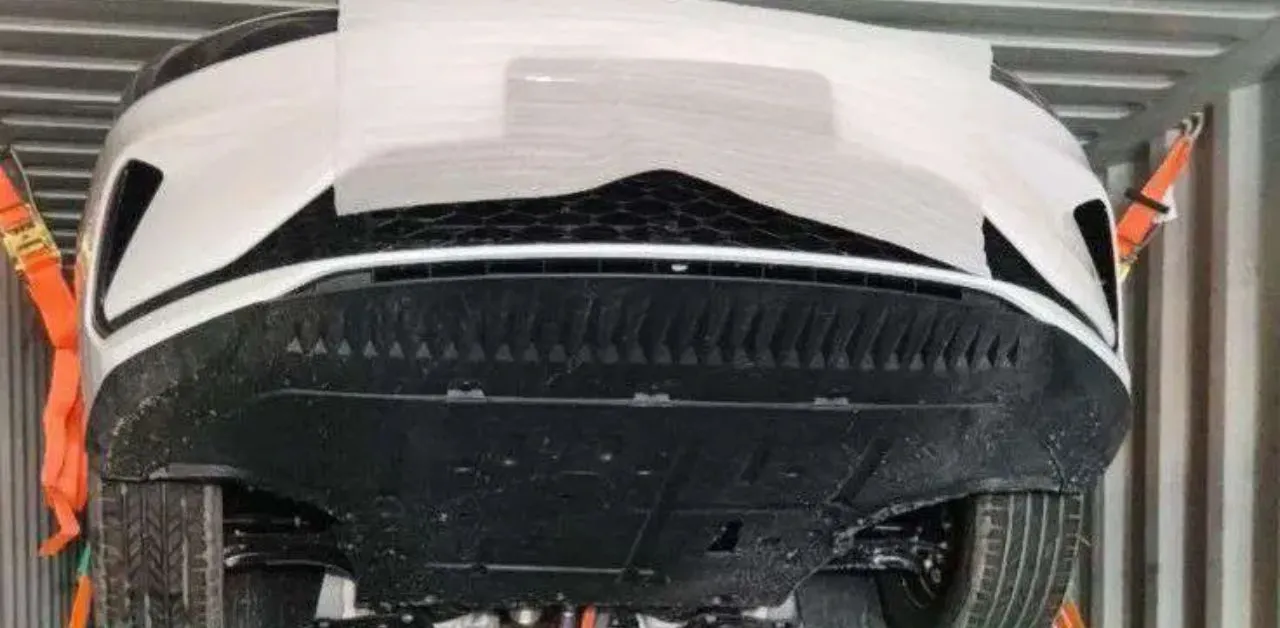
In the absence of these documents, customs clearance may be denied or delayed.
Step 6: Customs Clearance in the Destination Port
Upon the arrival of your car, it must undergo customs:
- Produce all import documents.
- Pay duties, VAT, and port charges.
- Vehicle inspection by local authorities.
- Emission and safety compliance check.
- Release of the vehicle for registration.
Tip: Hiring a customs broker might make this easier, especially for first-time importers.
Step 7: Registration of Your Vehicle in Your Country
After customs clearing, the vehicle must be registered before it can be driven legally. Steps normally include:
- Safety inspection.
- Emission test.
- Payment of road tax and registration fee.
- Issuance of license plates and registration certificate.
Difficulties in Importing Cars from China
While importing cars from China is cost-cutting, there are issues:
- Regulatory Hurdles – Harsh emissions and security regulations.
- Enormous Import Tariffs – Tariffs can increase the cost of the vehicle by two-fold.
- Slow Shipping – Port congestion, customs inspections, or logistics.
- Global After-Sales Support – Limited service centers for Chinese automobile manufacturers in some countries.
- Warranty Issues – Manufacturer warranties are not valid overseas.
Smooth Import Tips
- Only deal with validated exporters and shipping forwarders.
- Get a complete breakdown of charges before buying.
- Select a mode of transportation that is cost-conscious yet safe.
- Employ the services of a customs broker to escape clearance complications.
- When importing for sale, have the cars conform to local regulations prior to bulk buying.
Conclusion
It may be a lucrative venture to import a car from China, opening doors to cheap and advanced cars, especially electric vehicles transforming the global car market.
But it requires careful planning, knowledge of regulations, and proper documentation to avoid costly mistakes.
Whether you’re an individual looking for a budget-friendly car or a business aiming to resell Chinese vehicles, understanding the full process—from supplier selection to customs clearance—is the key to a successful import.
References
China Association of Automobile Manufacturers (CAAM). China Automotive Industry
International Trade Administration (ITA). Importing Motor Vehicles and Engines.
United States Environmental Protection Agency (EPA). Importing Vehicles and Engines.
European Commission. Vehicle Type Approval and Emissions Standards.
World Shipping Council. Guide to Ocean Shipping.
Alibaba.com. Buying Guide for Vehicles.
Export.gov. Automotive Industry Export Resources.


