

Iceland, with its stunning landscapes, geothermal features, and rough roads, is a nation where car ownership is next to compulsory as well.
There’s hardly any public transport, and if you have to visit the countryside, mountains, and fjords, having a car is priceless.
For this reason, a lot of individuals—expats moving, automobile enthusiasts, or companies—import a car to Iceland instead of purchasing one domestically.
If you’re looking to ship a car to Iceland, you might ask: How much is it going to cost? What do I have to do? What are the customs rules? What methods of shipping are ideal?
All of this is explained in this article and laid out in a step-by-step guide on how to transport a car to Iceland in 2026.

Why Ship a Car to Iceland
Shipping a car to Iceland is a common choice for both individuals and businesses seeking access to a wider variety of vehicles at competitive prices.
Importing can provide better options than the limited local market, whether for personal use, commercial fleets, or specialized vehicles.
There are several reasons why individuals and companies import vehicles into Iceland:
- Exorbitant Cost of Vehicles in Iceland – Taxes, import tariffs, and a lack of supply make vehicles in Iceland more costly compared to other nations like the US, Germany, or Japan.
- Relocation – Expats or Icelandic citizens moving to their home country can like to bring their own vehicle instead of buying a vehicle from Iceland.
- Specialty Vehicles – Off-road vehicles, luxury vehicles, and electric vehicles might not be available in Iceland, and therefore importing is a simpler option.
- Business Needs – Companies and car dealers typically import large quantities of vehicles directly from factories or auctions overseas.

Shipping Methods: How Cars Arrive in Iceland
When importing a vehicle to Iceland, the process generally relies on two main shipping methods.
Each option differs in cost, speed, and level of protection, allowing importers to choose the method that best fits their budget and needs.
There are two primary shipping methods employed when shipping a vehicle to Iceland:
Roll-on/Roll-off (RoRo) Shipping
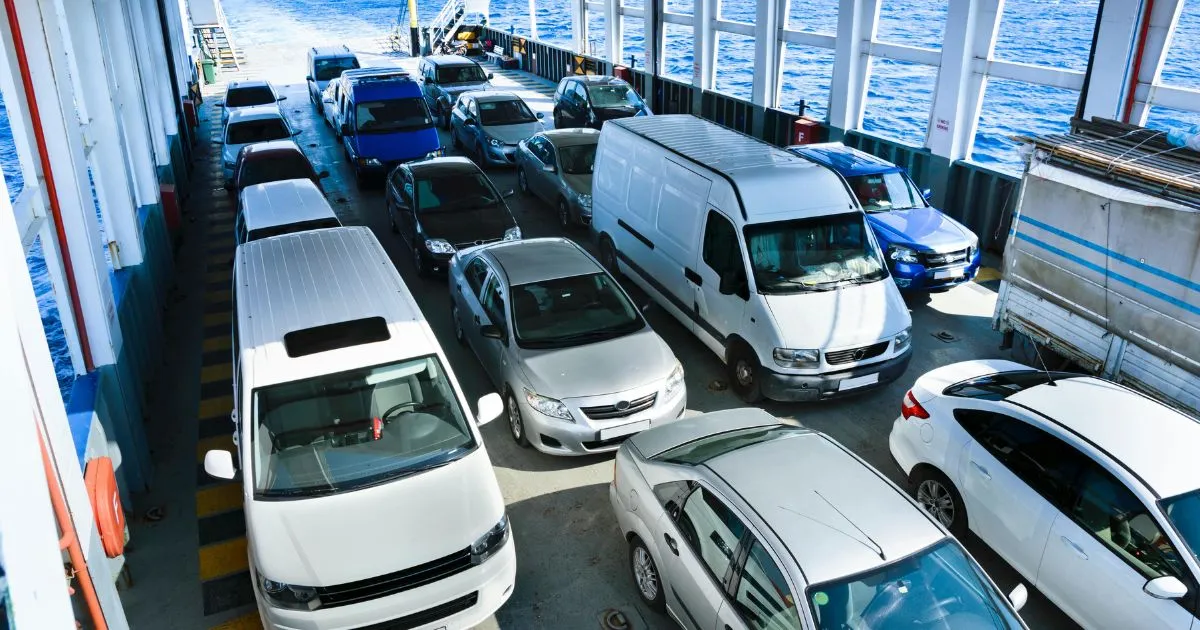
- Cars are driven onto an actual shipping vessel and tied down for transport.
- Generally the cheapest way for functional cars.
- Most convenient for utility cars but not possible for non-functional cars.

Container Shipping
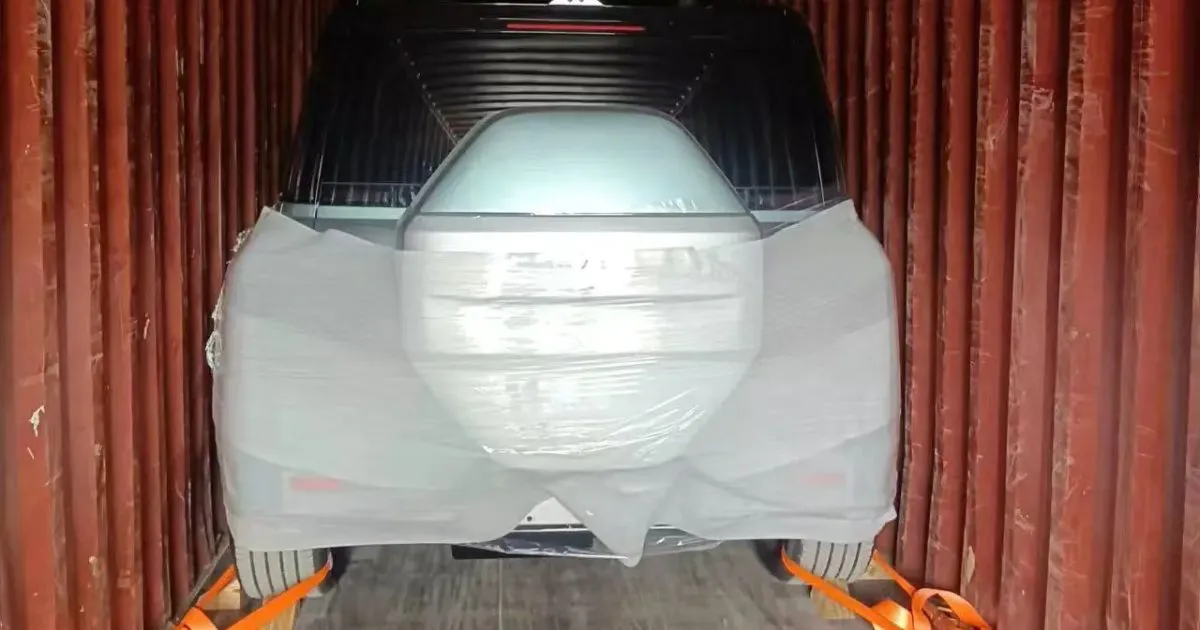
- Cars are transported inside a container, giving added security.
- Containers are 20ft (1 car) or 40ft (2–3 cars).

Most convenient for luxury vehicles, expensive vehicles, or shipping personal belongings along with the vehicle.
Shared container facilities are also provided by some shipping lines, in which several vehicles belonging to different clients are carried in a single container, at reduced cost.
Principal Shipping Routes to Iceland
Most imported vehicles and goods arrive in Iceland through its main maritime gateways, the Port of Reykjavík and the Port of Hafnarfjörður.
These ports serve as the country’s principal supply sources, connecting Iceland with international trade networks. The primary shipping routes are:
Port of Reykjavik and Port of Hafnarfjörður are the principal supply sources of Iceland.
The primary shipping sources are:
- United States (East Coast ports of New York, Baltimore, and Norfolk)
- Europe (Germany, Denmark, Netherlands, and UK)
- Transit times differ based on the origin:
- From US East Coast → approx. 10–14 days
- From Northern Europe → approx. 3–7 days
Shipping a Car to Iceland Costs
The cost of shipping a car to Iceland depends on several factors, including the chosen shipping method, vehicle size, distance from the port of origin, and seasonal demand.
Additional expenses such as insurance, port handling, and customs duties also affect the total price importers should anticipate.
The price for shipping a car to Iceland typically relies on numerous factors:
- Shipping Method (RoRo vs. Container)
- Origin Port (freight charges are based on distance)
- Vehicle Type & Size (SUVs, trucks, and large cars are more expensive than sedans)
- Customs Duties & Taxes
Average Shipping Costs:
- RoRo Shipping: $1,000 – $1,800 (from Europe/US East Coast)
- Container Shipping: $1,800 – $3,500 (depending on container size & origin point)
Customs Duties, Taxes & Regulations in Iceland
To import a car into Iceland, compliance with customs regulations is essential, and importers must be prepared to pay the necessary duties and taxes before the vehicle is released.
The amount payable depends largely on the type, age, and engine size of the car, as well as its customs valuation.
Unlike some countries that apply a flat rate, Iceland calculates duties and taxes using multiple criteria, which can make the process complex.
When a vehicle arrives, customs officials assess its value based on the CIF price (cost, insurance, and freight).
Importers are then charged import duties, Value Added Tax (VAT), and in many cases, an excise tax. Excise tax rates are determined by factors such as engine capacity, fuel type, and CO₂ emissions, with environmentally friendly vehicles often subject to lower taxes or even exemptions.
Customs Duties
- Variable based on the type of vehicle (passenger cars, trucks, motorcycles, etc.).
- Import duty typically is 10–15% of the customs value (car price + shipping).
Value Added Tax (VAT)
Standard rate VAT is 24% on customs value + import duty + shipping charge.
Excise Duty
- As per CO₂ emission of the vehicle and engine capacity.
- Electric vehicles charge lower excise duties and tax credit.
Environmental Taxes
- Recycling and environment surcharge may be applicable.
- Documents Required for Customs Clearance
- Bill of Lading (shipping document)
- Purchase Invoice or Proof of Ownership
- Certificate of Title/Registration
- Passport/ID of the importer
- Insurance documents
- Customs declaration form
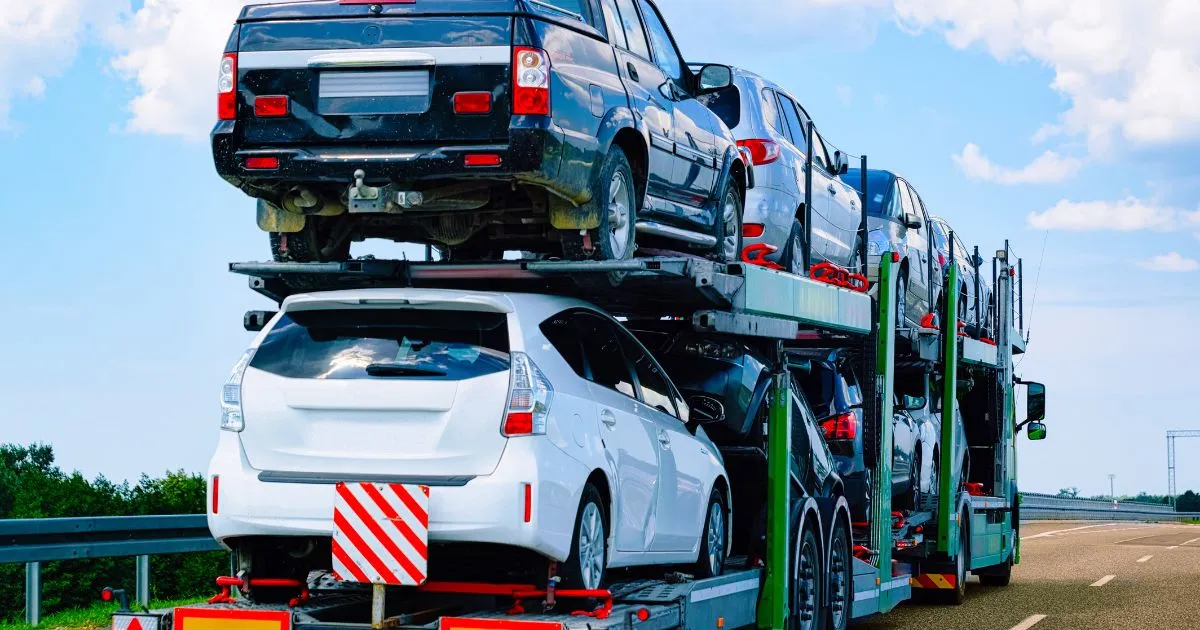
Step-by-Step Procedure of Shipping a Vehicle to Iceland
Successfully importing a vehicle into Iceland requires following a structured process that ensures compliance with shipping logistics, customs clearance, and local regulations.
From preparing documents and selecting a shipping method to paying duties and registering the car, each step must be handled carefully to avoid delays or unexpected costs.
Step 1: Select a Freight Forwarder or Shipping Firm
- Select a reputable shipping firm with a history of shipping cars to Iceland.
Step 2: Prepare the Car
- Remove personal items (other than in the case of container shipping).
- Clean the vehicle (customs officials may inspect).
- Leave little fuel in the tank (less than a quarter is usually the case).
- Disable alarm systems.
Step 3: Arrange the Shipping
- Make the choice between container shipping or RoRo.
- Select departure port and destination port.
- Obtain freight quote and book.
Step 4: Documentation
- Two sets of all documents needed (title, invoice, bill of sale, etc.).
- Provide documentation in English translation where necessary.
Step 5: Shipping Transit
- Vehicle is loaded at port of origin.
- Travel to Iceland by sea freight.
Step 6: Customs Clearance in Iceland
- Pay import duty, VAT, and excise fees.
- Forward customs declaration.
Step 7: Vehicle Registration in Iceland
- Once cleared by customs, the vehicle will need to be registered with the Icelandic Transport Authority (Samgöngustofa).
- Roadworthiness check needs to be conducted.
- Registration plates and certificates are issued.
Shipping Timespan: How Long Does It Take?
- From Europe: 3–7 days (depending if direct service).
- From USA East Coast: 10–14 days.
- Iceland Customs Clearance: 2–5 days.
- Registration: 1–2 weeks depending on inspections.
In total, the journey from booking to being able to drive your vehicle in Iceland can take between 3–5 weeks.
Cost-Saving Tips
- Ship RoRo instead of container if the vehicle is standard and does not need additional protection.
- Ship from a primary port (e.g., Bremerhaven in Germany or Baltimore, USA) where the charges are lower.
- Combine freight – shipping personal items, pack them in a container with your vehicle.
- Take into account car size – small, fuel-saving, and electric vehicles pay lower excise taxes.
- Engage the services of an experienced freight forwarder to prevent expensive custom clearance mistakes made.

Car Shipping to Iceland: Challenges
Car shipping to Iceland is uncomplicated, with challenges being:
- High Taxes – Import duties and VAT can be very high.
- Severe Weather Conditions – Cars need winterizing (snow tires are mandated by law).
- Less Shipping Routes – Less than departure for larger ports lead to waiting for scheduled sailings.
- Registration Delays – Inspection procedures can cause delays before driving your car.
Is Shipping a Car to Iceland Worth It?
The answer to that depends on your case:
- Yes – if you have a specialty vehicle, luxury car, or an EV that is significantly less expensive overseas than locally.
- Yes – when moving, if you want to retain your existing vehicle.
- No – if purchasing a standard car, as import tax and VAT can offset possible savings.
Conclusion
Shipping a car to Iceland can be a viable option if you are planning, know your costs, and have your paperwork in order.
With economy through RoRo or protection through container shipping, it really depends on you having a solid freight forwarder and being ready for Icelandic customs and tax regulations.
By reading this guide, you can import your car legally and trouble-free—i.e., you’ll be set to take Iceland’s picturesque Ring Road and ride Iceland’s harsh landscape in your own car.
References
Icelandic Customs (Tollur) – Import of Vehicles:
Iceland Transport Authority (Samgöngustofa) – Car Registration
European Commission – Import of Vehicles and Excise Duty
Principal Shipping Companies (Eimskip, Samskip, and Höegh Autoliners) – Routes to Iceland


