

International trade has created tighter economic ties between China and Germany, two of the world’s largest economies.
Germany is the industrial giant of Europe and fourth-largest economy, while China is the world’s largest exporter.
Shipping from Germany to China is one of the most frequent and substantial commerce flows in global supply chains.
Whether you’re a merchant shipping electronics, apparel, auto parts, or equipment out of China, or an individual wanting to ship personal goods, it’s the expertise that takes to ship from China to Germany quickly and save time, money, and hassle.
In this extensive guide, everything about shipping is explained, from available transport modes, transit times, and fees, right through to customs clearance and tips for hassle-free shipping.
Overview of China–Germany Trade
China is Germany’s biggest trading partner and the largest share of the imports falls under it.
Products shipped from China to Germany are electronics, consumer goods, clothing, home furniture, and machinery.
Due to Germany’s location in the heart of Europe, a large portion of shipments that come from China also gets redistributed within the EU.
This volume of trade needs to be done with efficient shipping methods, and companies need to make a well-informed decision in using air freight, sea freight, railway freight, or courier services, based on their preference—speed, price, or size of cargo.

Primary Shipping Means from China to Germany
When transporting goods from China to Germany, importers can choose from several shipping methods, each with distinct advantages in cost, speed, and capacity.
The most common options include sea freight, air freight, rail freight, and express courier services, allowing businesses to select the mode that best fits their cargo type and budget.
Sea Freight
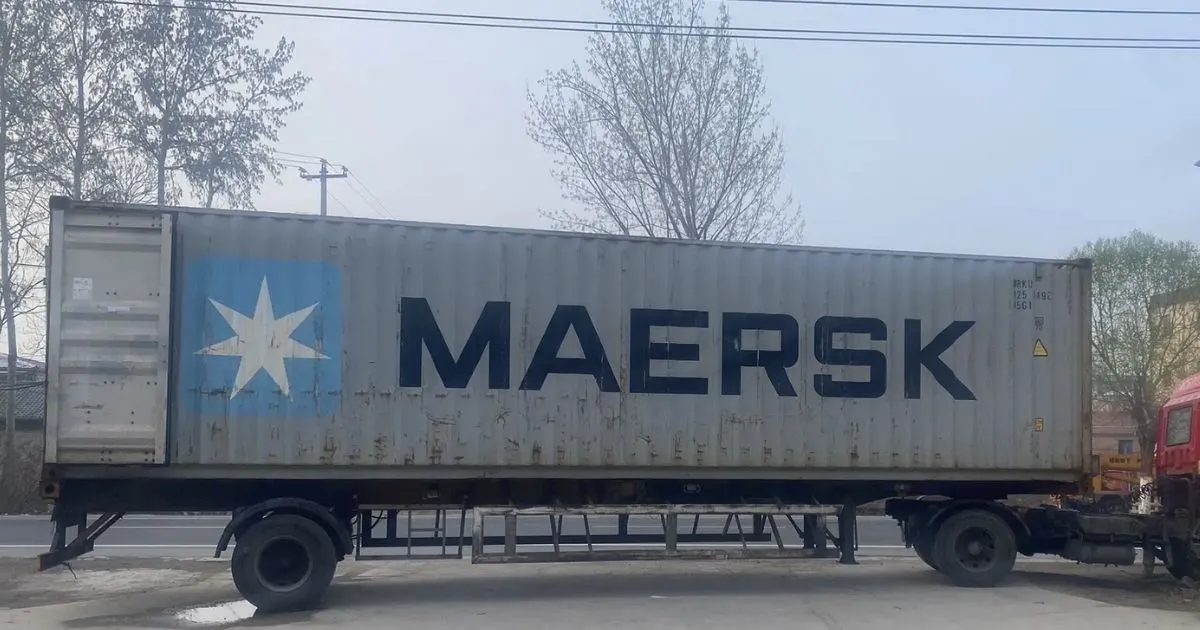
Sea freight is the most widely used and economical means of shipping goods from China to Germany, particularly for large bulk orders.
- Advantages: Least expensive per unit for bulk orders, best for over-dimensioned cargo, more environmentally friendly compared to air freight.
- Disadvantages: Slower than by rail or air; prone to traffic congestion and delays at ports.
Most popular sea routes:
- Port of Shanghai → Port of Hamburg
- Port of Shenzhen → Port of Bremerhaven
- Ningbo-Zhoushan → Port of Hamburg
- Transit Time: Typically 30–40 days port-to-port.
Container Options:
- FCL (Full Container Load): When you reserve a full container (20ft or 40ft).
- LCL (Less than Container Load): For small group of shipments, cheaper but slower.
Air Freight
- Best choice when speed is the priority. Electronics, gems, or time-sensitive shipments usually use air cargo.
- Advantages: Quickest means, set schedules, greater security.
- Disadvantages: Costly, smaller space for bulky freight.
- Transit Time: 5–8 days on average.
Popular Routes:
- Beijing/Shanghai/Guangzhou → Frankfurt International Airport
- Shenzhen/Chengdu → Munich Airport
Air freight is frequently used by e-commerce companies for re-stocking high-moving commodities.
Rail Freight
Freight by rail is now a realistic middle-option between air and sea.
The Belt and Road Initiative by China has established direct rail connections between Germany and China.
- Pros: Not so fast as sea freight, not as costly as air, environmentally friendly, takes containers.
- Cons: Limited capacity, not so fast as air freight, border slowdowns.
- Popular Route: Chongqing → Duisburg (Europe’s largest inland port).
- Transit Time: 18–22 days.
Increasingly, rail freight is gaining traction, especially for consignments of medium size that require quicker delivery than by ocean but not at the expense of air.
Courier/Express Services
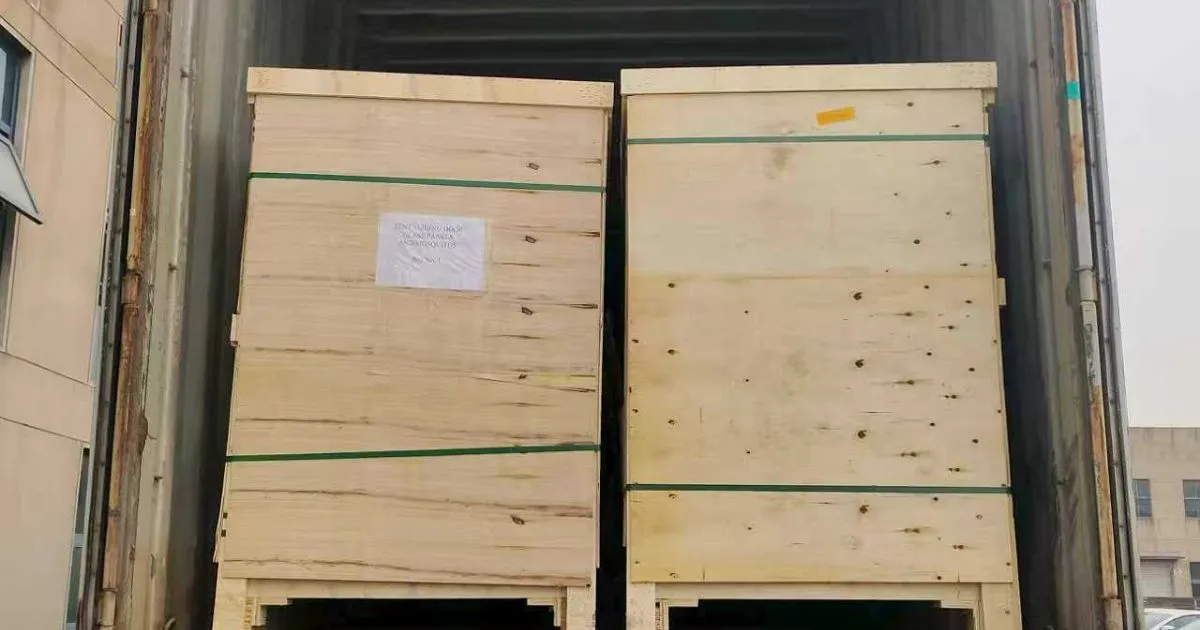
Door-to-door coverage is provided by express couriers such as DHL, FedEx, UPS, and TNT for small packages and urgent shipments.
- Transit Time: 3–7 days.
- Ideal for: Documents, parcels of small size, e-commerce parcels.
Though expensive per kilo, ideal for time-critical deliveries.
China to Germany Shipping Charges
Shipping charges between China and Germany vary widely and are influenced by several key factors.
Costs depend on the chosen shipping method, cargo weight and volume, port of origin and destination, seasonal demand, and additional services such as insurance or customs handling.
Understanding these elements helps importers budget more accurately and avoid unexpected expenses.
Shipping charges are based on many factors:
- Mode of transport: Transport by air costs more than sea or rail transport.
- Weight and size: Heavy/large shipments cost more.
- Incoterms: Specifies buyer or seller pays shipping charges.
- Seasonality: Rates skyrocket in peak shipping seasons (Q4, up to Chinese New Year)
- Fuel surcharges and duties.

Cost Estimate (as of 2025 averages):
Sea Freight FCL (20ft container): $1,800 – $2,500
Sea Freight FCL (40ft container): $2,500 – $4,500
LCL: $50 – $80 per cubic meter
Air Freight: $5 – $8 per kg
Rail Freight: $2,500 – $3,500 per 40ft container
Customs Clearance in Germany
To import goods into Germany, businesses must comply with established customs procedures overseen by German Customs (Zoll) and the European Union framework.
Proper documentation, accurate product classification under the HS Code system, and payment of duties and VAT are required before goods are released.
Navigating these steps ensures smooth entry into the German market.
Documents Required
- Bill of Lading (B/L) or Airway Bill (AWB)
- Commercial Invoice
- Packing List
- Certificate of Origin (if applicable)
- Import Permits (for goods that are restricted)
Customs Duty & Tax
As a member of the EU, Germany adheres to the customs regulations of the EU. Duties are determined on the HS Code (Harmonized System Code) of the products.
- Customs Duty: Dependent on product classification.
- Import VAT: 19% standard rate, reduced 7% on specific items.
Example: if you’re importing electronics worth €10,000, you’ll pay customs duty (e.g., 5%) + 19% VAT on the total amount (goods + duty + shipping).
Shipping from China to Germany
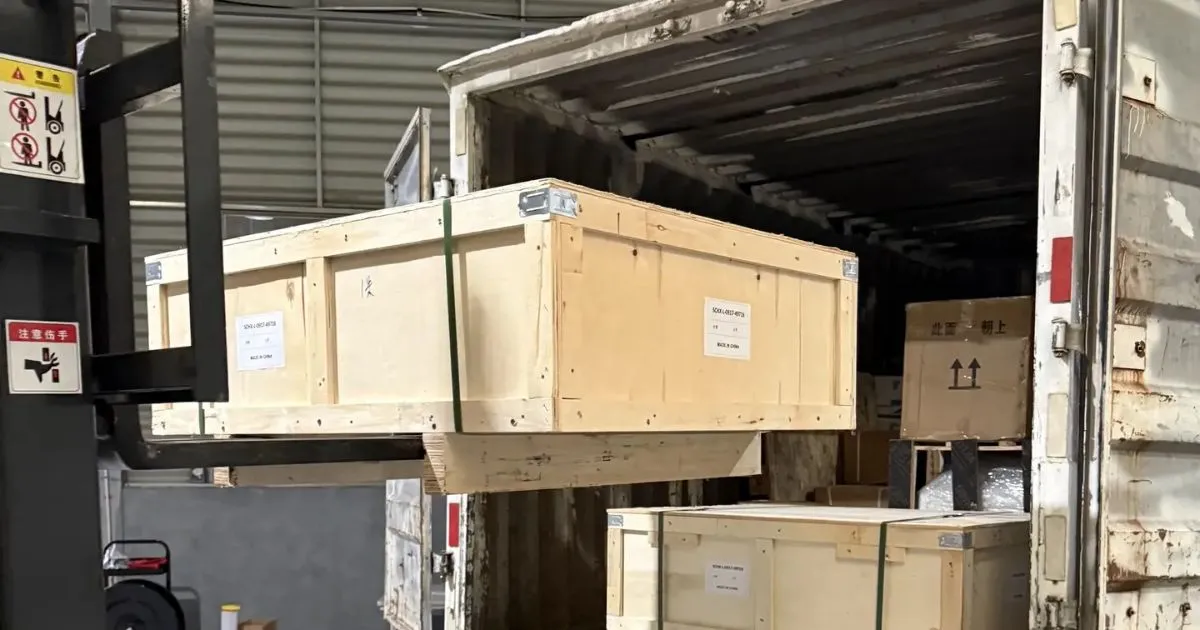
- Sea Freight: 30–40 days
- Rail Freight: 18–22 days
- Air Freight: 5–8 days
- Express Courier: 3–7 days
Shipping is delayed because of customs inspection, port traffic, or seasonal demand for shipping. Always include buffer time, companies should.
Most Effective Shipping Route and Ports
In China:
- Shanghai
- Ningbo
- Shenzhen
- Guangzhou
- Qingdao
In Germany:
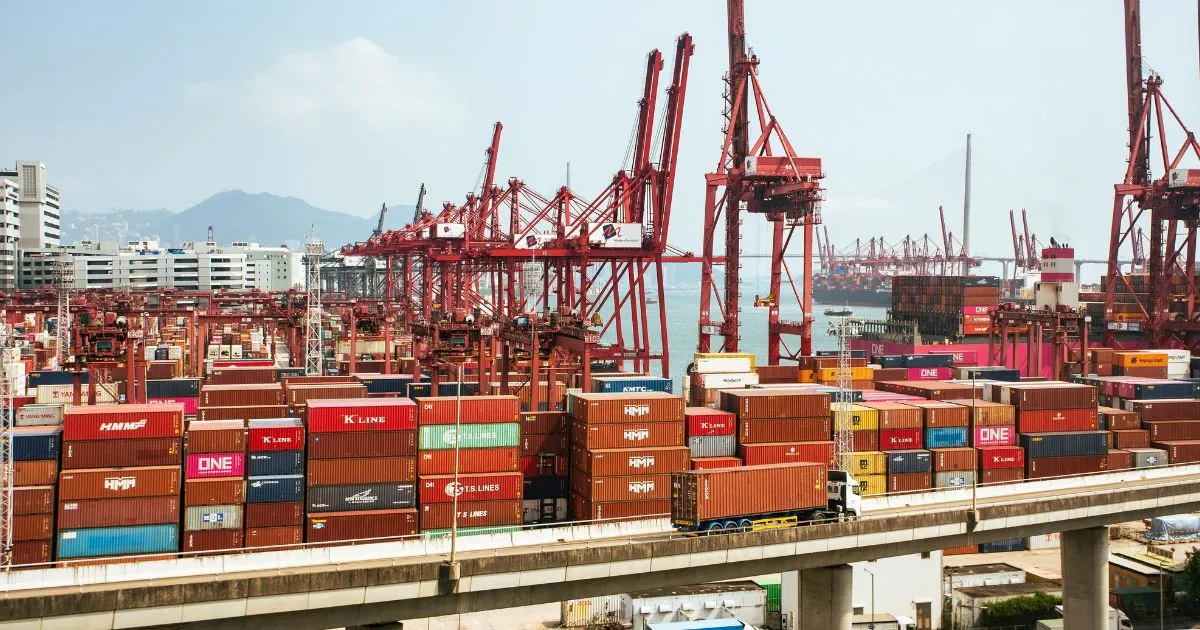
- Port of Hamburg (Germany’s largest seaport)
- Bremerhaven Port
- Duisburg Rail Terminal
For air freight: Frankfurt International Airport (primary cargo airport), Munich, and Leipzig/Halle airports.
Selecting a Freight Forwarder
A good freight forwarder assists you with shipping, customs clearing, and the final delivery.
They make cargo consolidation arrangements, negotiate on charges, and prepare paperwork.
Selecting a forwarder:
- Verify they have experience in China–Germany trade.
- Make sure they are established and licensed.
- Compare quotes among various forwarders.
- Look for door-to-door logistics services if required.
Most Common Shipping Challenges from Germany to China
Despite strong trade relations between Germany and China, businesses often face challenges when shipping goods between the two countries.
Logistics complexities, customs regulations, and fluctuating freight rates can create delays and increase overall costs.
Language barriers, cultural differences, and varying documentation standards may also complicate the process.
In addition, capacity shortages, port congestion, and global supply chain disruptions can affect delivery schedules.
Importers and exporters must remain aware of these issues and plan accordingly.
By understanding the most common obstacles, businesses can develop strategies to minimize risks, avoid delays, and ensure smoother cross-border trade operations.
- Port delays caused by congestion.
- Customs clearance delays when documents are missing.
- Various shipping charges based on global demand.
- Regulatory compliance (CE marking, product safety for EU market).
- Communication loopholes with suppliers and freight forwarders.
Cost Saving on Shipping
Reducing shipping costs is a priority for businesses engaged in international trade, especially when moving goods between China and Germany.
Effective cost management involves more than just choosing the cheapest freight option—it requires strategic planning, shipment consolidation, reliable supplier coordination, and efficient customs handling.
By applying smart logistics practices, companies can lower expenses, improve delivery timelines, and maximize profitability.
- Order shipment in off-peak periods.
- FCL when there’s a volume conducive to doing so; less costly per unit than LCL.
- Employ skilled freight forwarders who can consolidate shipments.
- Negotiate your suppliers to employ FOB (Free on Board) Incoterms, which places you in a better negotiating position for freight cost.
- Compare alternative shipping routes (rail usually a more consistent speed and cost than sea).
China–Germany Shipping of the Future
The transport business is changing:
Growth in rail freight: Spurred by Belt and Road Initiative.
Green shipping: Emphasis on sea and air freight carbon reduction.
Digitalization: Artificial intelligence, Internet of Things, and blockchain technology in supply chain management.
Expansion in e-commerce: Growth in express and small parcel.
Conclusion
China-to-Germany shipping is a pillar of global trade, driving both economies and enabling global supply chains.
Business enterprises have alternatives for transportation—sea freight for economy, air freight for speed, rail freight as a middle way, and express courier for little shipment.
- Importers ought to enjoy a seamless process by
- Choose best shipping mode.
- Consider customs charges and VAT.
- Use good freight forwarders.
- Consider potential delay and costs.
Through proper planning and keeping up to date, companies can optimize their supply chain most effectively, minimize shipping cost, and keep operations streamlined between China and Germany.
References
World Bank. Doing Business in Germany: Trade and Transport Insights.
European Commission – Taxation and Customs Union. EU Import Duties and VAT.
Port of Hamburg Authority. Trade Relations between Germany and China.
International Air Transport Association (IATA). Air Cargo and Logistics.
China Railway Express. Belt and Road Rail Freight Statistics.


