
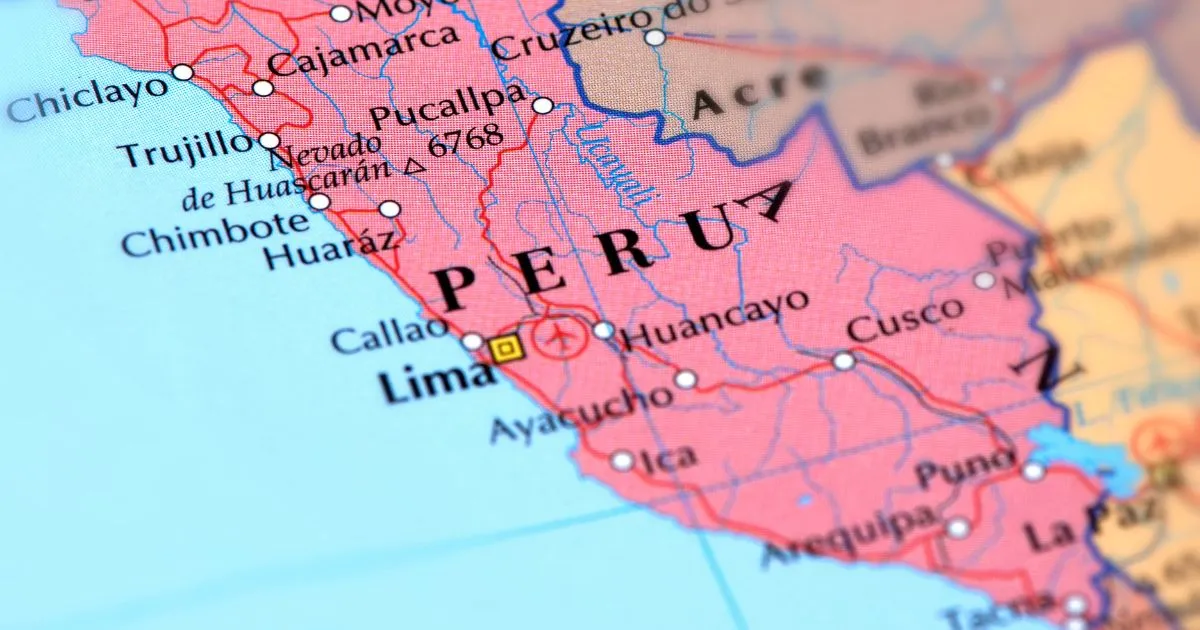
Shipping small quantities from China to Peru?
LCL (Less-than-Container Load) sea freight is an efficient and affordable solution — but it’s not booking a full container.
This handbook takes you through all you should know: how LCL operates on the China → Peru route, realistic transit time and cost, documentation and Peruvian customs, step-by-step procedures, intelligent packing and consolidation advice, pitfalls to avoid, and how to select a freight forwarder. I’ve added authoritative sources so you can check details for your shipment.
Rapid rundown — what is LCL and why ship via it to Peru?
LCL stands for your products are loaded in the same container as other shippers’ cargo.
You only pay for the space (generally by cubic meters or cubic feet) you occupy, not for renting a whole container (FCL).
LCL is great when:
- Your shipment size is smaller than a full container (usually below 10–15 CBM depending on the forwarder).
- You require lower initial cost and do not wish to wait to fill a complete container.
- You are piloting a product/market or sending samples/stock replenishments in small quantities.
Tradeoffs: LCL tends to be slower than FCL due to consolidation and deconsolidation processes, and there are additional handoffs, which can elevate handling risk and paperwork.
Nevertheless, for SMEs and online retailers, LCL is frequently the best option.

Average transit times China → Peru (realistic expectations)
Sea transportation time varies based on China origin port, the route (direct or transshipment), and Peruvian destination port.
- Direct services to Peru (to Callao or Chancay): direct Asia–Peru sailings are operated by some carriers.
Direct services would take approximately ~25–35 days from prominent Chinese ports (Shanghai, Ningbo, Shenzhen/Guangzhou) to Callao or Chancay, subject to schedule and vessel speed. The latest reports of direct China–Peru services (including new Guangzhou–Chancay connections) are designed to reduce transit times to approximately 30 days on some services. - Indirect / transshipment routings (usual): shipments can be routed through Panama, Ecuador, Chile or transshipment terminals (e.g., Balboa, Manzanillo, or other Latin America terminals). These routings take days to weeks depending on connections; overall sea time can be 30–45+ days.
Seasonal delays or schedule changes can extend this further.
Tools and calculators provide ranges of 25–45 days for sea freight overall on long-haul Asia–South America routes.
What it implies for LCL: anticipate your freight to be in transit for a minimum of 3–6 weeks under standard circumstances, quite likely on the longer end since LCL needs time to consolidate at the point of origin and deconsolidate at the point of delivery. Add some extra buffer for customs clearance in Peru.
Principal ports involved (Chinese origins and Peruvian destinations)
In China (shared origins): Shanghai, Ningbo, Shenzhen/Yantian, Guangzhou, Qingdao, Tianjin. Origin choice influences sail frequency and transit time.
In Peru (ports of destination):
Callao (close to Lima) — Peru’s main port and the chief entry point for imports; receives the majority of containerized cargo. It’s upgrading with investments and terminal expansion (DP World, APM, others). Plan on clearing shipments in order to arrive at Lima and, especially, inland destinations.
Chancay — a newer large deepwater terminal developed with Chinese involvement (COSCO). Newer direct sailings to Chancay are being developed to shorten transit times for certain routes. Check whether your carrier offers delivery to Callao vs Chancay.
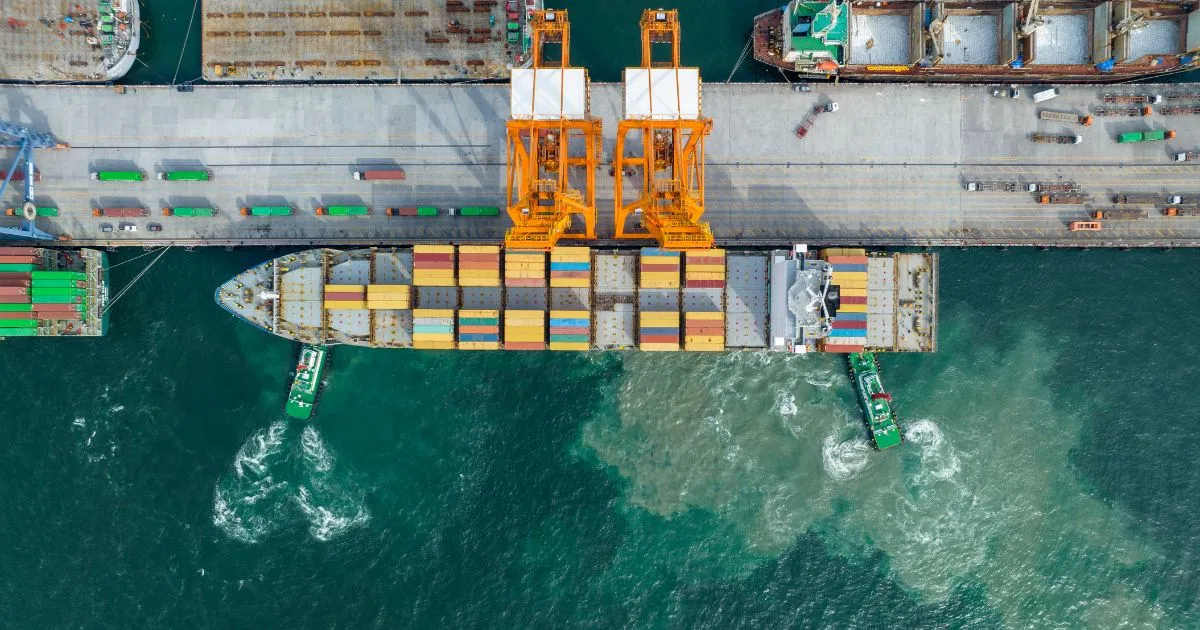
Cost drivers — what you’ll pay for (LCL pricing explained)
LCL pricing is more complex than FCL. Typical components:
- Origin charges (pickup, export consolidation, documentation).
- Freight / ocean carrier rate — you’re charged per CBM (or per pallet if the forwarder uses pallet rates) rather than per container. Rates vary by port pair, season, and carrier.
- Destination charges (deconsolidation, import terminal handling, delivery to consignee or warehouse).
- Customs clearance fees and import duties/VAT (see next section).
- Local delivery / drayage (truck from port to warehouse / consignee).
- Bunker, peak season surcharges, PSS, war risk, contingency surcharges, etc. These change very quickly.
- Insurance (optional) — typically a percentage of cargo value.
Since LCL involves multiple handling steps, destination terminal handling fees and consolidation charges can make LCL costlier per cubic meter than FCL when your volume increases — so if you have high frequency shipments of large volumes, consider shifting to FCL.
Maersk and other liners describe that LCL is best for small volumes but FCL is cheaper per unit above a point.
Peru customs: documents, duties and clearance regimes
If exporting to Peru, you’ll have to comply with SUNAT (Peru Customs and Tax Authority) procedures.
Essential documents required (standard):
- Commercial Invoice (with easy-to-read HS codes, value, Incoterm, shipper/consignee info).
- Bill of Lading (ocean BL) or House Bill (for LCL cargo).
- Packing List (itemized).
- Customs Merchandise Declaration (DAM) — Peru’s official customs entry.
- Certificate of Origin (where necessary, to access preferential tariffs or not pay additional duties).
- Insurance certificate (if insured).
Other permits: sanitary permits, phytosanitary certificate, health certificates, or technical permits—depending on commodities (foods, cosmetics, chemicals, electronics, etc.).
Import regimes: Peru makes a distinction between normal importation for consumption and simplified regimes for low-value products (there is an FOB/value threshold; look in SUNAT to see what the thresholds are and if you can use simplified import procedures).
Hiring a licensed customs agent is the norm for commercial shipments over the simplified threshold.
Tax & duties: customs duty is different by HS code; VAT (IGV) is charged on most imports. Products are sometimes subject to anti-dumping duties, special tariffs, or sanitary controls — verify product classification ahead of time.

Step-by-step LCL shipping process (practical workflow)
- Get quotations and compare — receive door-to-door or port-to-port quotations from 2–4 freight forwarders; compare the all-in cost (origin charges, ocean freight per CBM, destination charges, customs, delivery). Inquire about estimated transit time, cut-off dates, and consolidation schedules.
- Book the shipment — forwarder arranges booking and gives cut-off for delivery to warehouse in China (LCL necessitates goods arriving at the consolidation warehouse ahead of the container stuffing).
Confirm pickup or have your supplier deliver to forwarder’s consolidation warehouse. - Document preparation and validation — commercial invoice, packing list, Chinese government export documents (and any HS/commodity-related certificates).
Give proper HS codes and declared values to prevent customs holdups. - Origin consolidation — forwarder consolidates several shippers’ shipments into one container.
Your shipment is assigned a house bill (HBL) and is included on the manifest. - Ocean freight — container travels to Peru (direct or through transshipment hub).
- Arrival & deconsolidation at destination — unloaded and deconsolidated at the Peruvian terminal; separated into individual shipments and prepared for clearing customs.
- Customs clearance — your customs agent/broker submits the DAM to SUNAT and makes duties/IGV payments and inspections if applicable.
- Delivery/pick-up — upon clearance and payment of destination charges, the consignee takes receipt by release order and delivery to warehouse or final destination.
Pay destination handling and inland delivery unless DDP was arranged.
Packaging and labeling — LCL best practice
Since LCL cargo is handled several times, packaging and labeling are key:
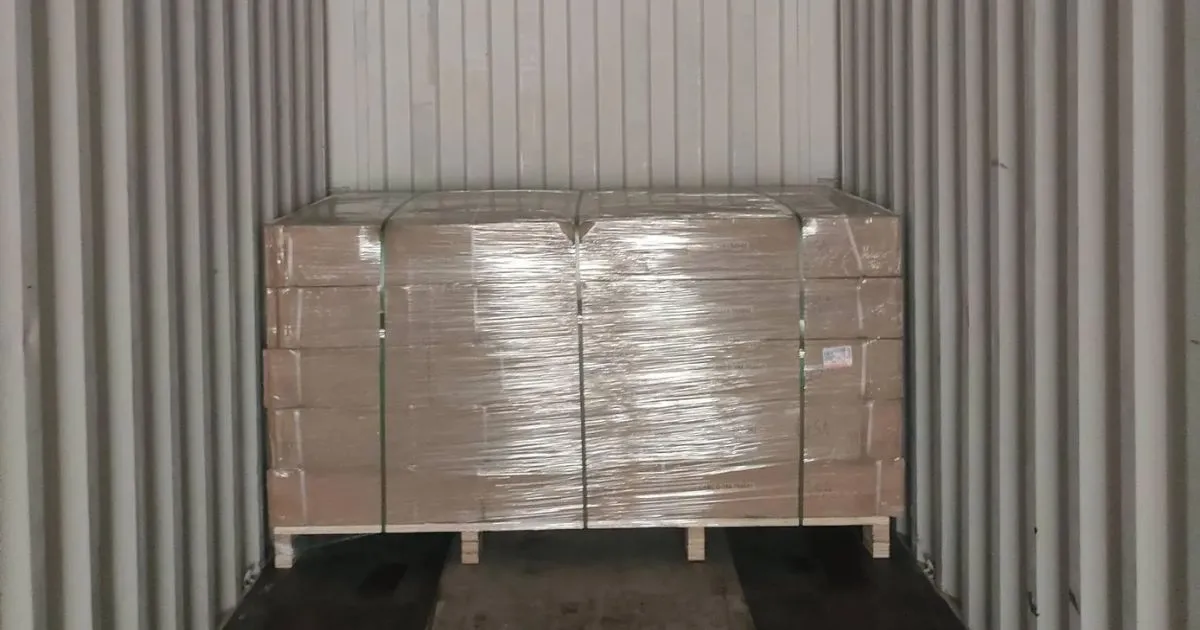
- Palletize and strap: employ strong pallets and shrinkwrap; strap loose material. Pallets lower damage during handling and ease counting.
- Maintain dimensions correct: LCL rates are by CBM — your cartons will be measured by forwarders.
Underreporting dimensions leads to delay and surcharges when corrected. - Fragile / dangerous: mark and declare fragile contents; dangerous items might be prohibited or require special care (and might not be permitted LCL on certain services).
- Mark boldly: attach consignee address, contact, HBL number, and “stacking” instructions.
- Deflate air: don’t send empty space (deflate large packing), since you pay by volume.
- Document on each pallet: add a copy of packing list/invoice in a waterproof bag on each pallet.
These measures minimize damage and accelerate deconsolidation at destination.
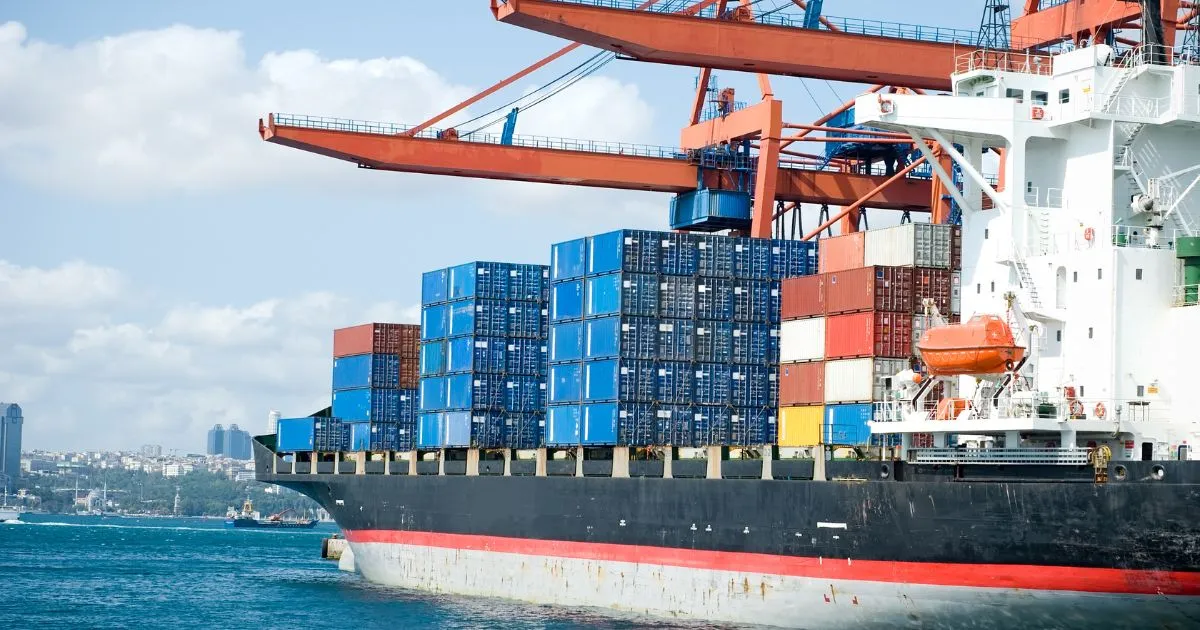
Insurance & liability — secure your goods
LCL has a larger number of touchpoints than FCL, thus insurance is highly advisable.
Cargo liability can be restricted based on the carrier’s conditions (usually low).
Purchase “All-Risks” cargo insurance for declared CIF value. If you sell on terms where you assume responsibility for goods in transit, factor in the cost of insurance in your pricing.
How to save money on LCL shipments to Peru
- Consolidate loads: consolidate loads or schedule joint loads with partners to achieve FCL threshold — FCL is more economical per CBM after that.
- Negotiate rate each month: if you are shipping frequently, a forwarder will usually give you better rates per CBM and priority consolidation.
- Opt for best origin port: occasionally shipping out of an adjacent Chinese port (e.g., Ningbo instead of Shanghai) saves transit time and expense based on carrier schedules.
- Steer clear of peak season: Q3–Q4 and Chinese New Year have increased rates and longer transit times; schedule around them.
- Simple labelling and paperwork: minimize inspection and detention time at customs by having complete documents and certificates on hand.
- Employ a reputable forwarder with local presence: a forwarder with an office in Peru will minimize surprises at destination and accelerate clearance.
Common problems & how to avoid them
- Underestimating landed cost overall — importers may be concentrating on ocean freight but neglect destination fees, customs taxes, IGV, brokerage charges, and inland delivery. Request an ALL-IN quotation.
- Incorrect HS code or invoices — misclassification results in customs penalties and delay. Use a customs broker.
- Lacking certificates — foods, cosmetics, electronics, and chemicals frequently require permits; lacking docs cause holds. Confirm product requirements with SUNAT or your local customs broker.
- Delays due to consolidation — if your forwarder holds back awaiting other shippers to load the container, your shipment will be late. Query regarding consolidation cut-off times and frequency.
Selecting the correct freight forwarder & carrier — checklist
- Experience on Asia–Peru corridors: carriers and forwarders who understand the route can recommend best origin ports and direct vs transshipment options. Large lines on this corridor are Maersk, MSC, CMA CGM and COSCO.
- Local representation in Peru: facilitates smoother deconsolidation and customs processing (DP World, COSCO terminals, and local agents have presence in Callao/Chancay).
- Clear pricing: request breakdown of origin/destination fees and potential surcharges.
- LCL consolidation frequency: question how many times they sail, transit time, and number of days that cargo remains before consolidation.
- Customs brokerage service: check if they offer/bundle customs clearance and whether or not they have licensed brokers.
- References & insurance options: inquire of other importers about claims experience.
Sample timeline for an LCL shipment (typical)
- Day 0–3: Booking & documentation completed.
- Day 4–7: Cargo arrives at consolidation warehouse in China.
- Day 7–10: Consolidation & stuffing of containers (can wait to achieve a minimum quantity).
- Day 10: Ship departure.
- Day 10–40: Sea transit (25–30+ days typical direct; longer if transshipped).
- Day of arrival: Container discharge at Callao/Chancay.
- +1–7 days: Deconsolidation, customs clearance (if docs and duties available, can be quicker).
- Delivery: last truck to consignee.
Total: approximately 30–50 days door-to-door for LCL, depending on routings and clearance speed. Always add some cushion for inspection and unplanned delays.
Helpful resources & reliable references
- U.S. Department of Commerce — Peru: Import Requirements and Documentation (good summary of Peru’s customs docs & requirements).
- SUNAT (Peru Customs) — official advice on import regimes & documentation (import for consumption versus simplified import).
- Maersk LCL & Maersk explanation of FCL vs LCL — industry advice on when to use LCL vs FCL.
- Reuters & COSCO reporting on Guangzhou–Chancay direct routings — points to increasing direct Asia–Peru services that can reduce transit times
- Freight transit estimators (Freightos / Freight marketplaces) — for rough-ballpark transit times and comparisons.
(If you’d like, I can create a click-able list of references or retrieve the most current port schedules and up-to-date spot rates for a particular origin port and date — let me know your origin port/city in China, type of product, and rough CBM and I’ll provide example quotes and a door-to-door estimated cost breakdown.)

Last checklist before shipping your first LCL cargo to Peru
- Check origin port and available frequency of sailings.
- Select a forwarder with presence in Peru and high LCL consolidation frequency.
- Prepare commercial invoice, correct HS codes, and product certificates as required.
- Palletize and label; double-check CBM measurement.
- Buy cargo insurance on CIF value.
- Verify customs broker in Peru and if simplified import is available.
- Obtain an all-in quote with destination charges and customs.
- Create transit buffer (plan 3–7+ weeks).
Closing thoughts
LCL shipping to Peru from China is a safe bet for small and medium shipments, but it involves close attention to packaging, documentation, and carrier/forwarder selection.
The Asia–Peru trade corridor is changing — emerging direct services to Chancay and upgraded terminal capacity at Callao are enhancing transit times and reducing costs for importers.
However, the unapparent charges (destination handling, customs charges, and delays) can catch unaware importers off guard.
Use a reliable forwarder, maintain clean documentation, and look to consolidate shipments wherever possible to maximize cost and speed.
Chosen references (read these pages for information)
U.S. Dept. of Commerce — Peru: Import Requirements and Documentation.
SUNAT (Peru Customs) — What are the ways to import? (import regimes).
Maersk — Understanding ocean freight / LCL vs FCL.
Reuters — China’s Guangzhou port begins shipping route to Peru (April 2025, regarding new direct service to Chancay).
Freightos & other freight calculators — ocean freight transit time guides.