

When you’re exporting products overseas, one of the most important—and and potentially perplexing—aspects of the shipping is customs clearance.
Exporters and importers alike have their heads spinning: Do Freight Forwarders Handle Customs?
The short answer is: Yes, many freight forwarders clear customs, but it will depend on the type of services they provide and whether they have permission to operate in the country of destination to bring into or take out the goods.
Here in this complete guide, we’ll discuss:
- What freight forwarders do,
- Their role in customs procedure,
- When you need a customs broker,
- The benefits of using a freight forwarder for customs
- And how to choose the proper partner for safe international shipping.
What Is a Freight Forwarder?
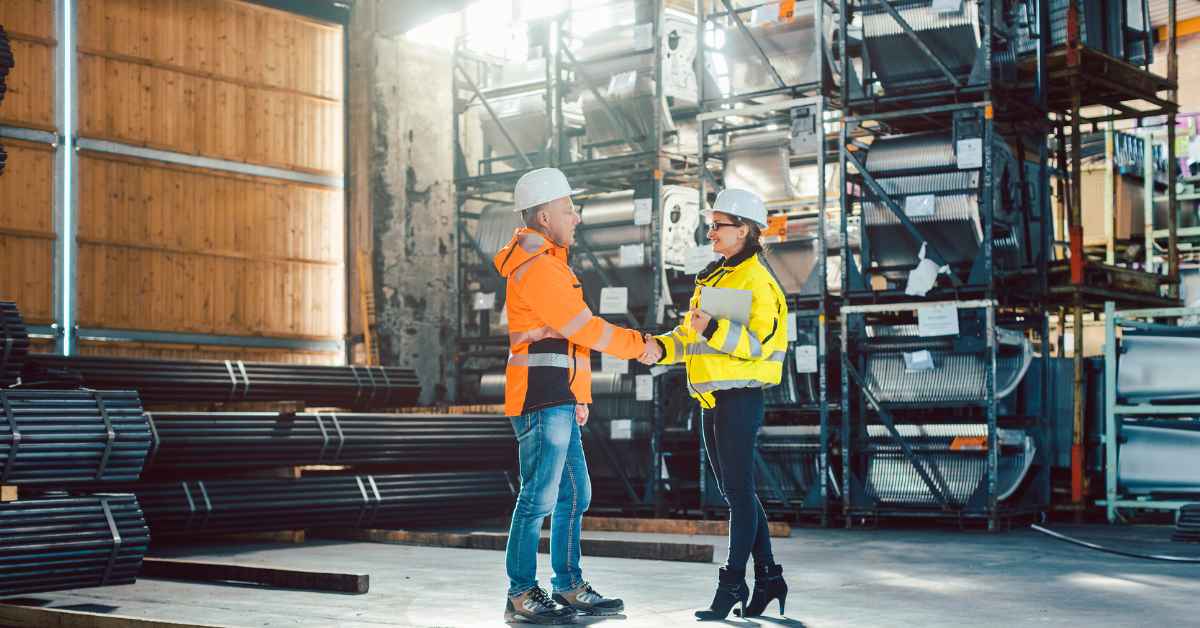
A freight forwarder is a third-party logistics carrier that coordinates the transportation of goods on behalf of shippers.
They reserve cargo space, document shipping, coordinate inland transportation, warehousing, and even customs clearance.
Freight forwarders don’t own ships, planes, or trucks but serve as facilitators between the shipper and diverse logistics service providers.
Do Freight Forwarders Clear Customs?
Yes, freight forwarders do customs, but not always directly for all of them. This is how it goes:
- There are some freight forwarders who are themselves licensed customs brokers and are legally permitted to represent your goods to customs.
- There are others who outsource to third-party licensed customs brokers to clear as a package deal.
- Either way, the freight forwarder can be your single point of contact, which is convenient.
If you’re an importer/exporter, employing a forwarder providing customs clearance entails:
- You won’t have to handle independent customs brokers.
- Everything is documented and communicated in an integrated manner.
- Chances of delivery delay because of paperwork mistakes are minimized.
Customs Clearance: Brief Introduction
With every international frontier crossing, goods have to undergo customs clearance. This includes:
- Filing mandatory documents with customs officials.
- Pay import/export duties, tariffs, and taxes.
- Inspection and checking of cargo if reported.
- Delivery of the cargo for delivery or re-export.
Normal documents are:
- Bill of Lading (B/L)
- Commercial Invoice
- Packing List
- Certificate of Origin
- Import/export licenses
- Customs declaration documents
Each country’s customs authorities need proper and timely documentation to meet regulations and security demands.

Freight Forwarder vs. Customs Broker
While both these activities tend to overlap, they are not the same:
| Role | Freight Forwarder | Customs Broker |
| Main Function | Organizes transportation of goods | Handles customs compliance and clearance |
| Licensing | May or may not be licensed for customs | Must be licensed by customs authority |
| Scope | End-to-end logistics (shipping, warehousing, etc.) | Specializes in regulatory compliance |
| Documentation | Prepares and submits shipping documents | Prepares and submits customs declarations |
| Who They Represent | The shipper (buyer or seller) | The importer or exporter |
Tip: Some freight forwarders do both services in-house, particularly large international companies.
How Freight Forwarders Help With Customs
- Document Preparation
Freight forwarders help obtain required documents such as:
- Pro forma and commercial invoices
- Packing lists
- Export declarations
- Certificates of origin
- Import licenses and permits
These should be prepared in advance to facilitate easy customs clearance and are accurate so that there will be no interruption.
- Customs Filing
In case the freight forwarder is a licensed customs broker, he is empowered to file declarations directly with customs authorities through electronic data interchange (EDI) systems.
Otherwise, they work in coordination with brokers and ensure the required data and papers are delivered in time.

- Duty and Tax Payment
Freight forwarders compute:
- Customs duties
- Value-added tax (VAT)
- Excise duties
- Surcharges, if applicable
They even pre-pay customs on your account and add it to your bill later.
- Goods Valuation and Classification
HS Code (Harmonized System Code) and declared value are the most tricky parts of customs clearing. Freight forwarders assist by:
- Providing proper classification information
- Preventing under- or over-valuations
- Reducing seizure or penalty risks
- Inspections and Holds
When merchandise is detained for inspection, the freight forwarder:
- Negotiates customs officials
- Puts timely release of merchandise on offer
- Tackles other paperwork where necessary
Advantages of Utilizing a Freight Forwarder to Clear Customs
Efficient Process
Having one point of contact for freight and customs prevents miscommunications and delays.
Regulation Knowledge
Seasoned forwarders have extensive knowledge about prevailing customs regulations, tariff rates, and trade agreements.
Cost and Time Savings
Avoid penalties, demurrage charges, or storage fees that are incurred due to documentation errors.
Scalability
As your business grows and your shipments get more complex, a full-service forwarder can scale with you.
Multi-Country Support
Most international freight forwarders possess a network of agents and brokers in multiple countries to handle customs on both the origin and destination ends.
What to Look for in a Freight Forwarder That Has Customs Specialization
- Certification and Licensing
Ensure the company is a certified customs broker or has one as its partner.
In the US, for instance, brokers need to be certified by CBP (U.S. Customs and Border Protection).
- Industry Expertise
Select a forwarder with experience dealing with the regulatory nuances of your industry, whether foodstuffs, electronics, pharma, or textiles.
- Web Support
Seek out forwarders who provide:
- Online tracking
- Electronic document filing
- Automated customs status notification
- Global Network
Local offices or partners in the source and target countries allow for end-to-end control and quicker problem-solving.
- Clear Pricing
Find out what is included in customs clearance charges. Are taxes and duties prepaid? Are there any surprise fees?
Real-World Example
Suppose a Canadian small business wishes to import Portuguese ceramics.
They engage the services of a freight forwarder such as DHL Global Forwarding or Flexport.
This is how it happens:
- Freight Booking: Sea freight is booked from Lisbon to Vancouver by the forwarder.
- Documentation: Commercial invoices, packing slips, and HS Codes are prepared by them for documentation.
- Customs Filing: Forwarder (or the partner broker) makes the entry with Canada Border Services Agency (CBSA).
- Duty Payment: The forwarder pays relevant import duties and taxes on the importer’s behalf.
- Cargo Delivery: The goods are offloaded upon clearance at the importer’s warehouse.
The owner of the business never needs to contend with customs brokers or complete complex forms—both of those are the freight forwarder’s responsibilities.
Places Where Forwarders Deal with Customs in a Different Way
United States: Freight forwarders should be independently licensed customs brokers by U.S. CBP.
- European Union: Forwarders are often registered at local customs offices and clear directly.
- China: Forwarders tend to package customs clearance with logistics services, particularly for exporters.
- India & Southeast Asia: CHA (Customs House Agents) are standard, though most forwarders have a close relationship with them.
Conclusion: Should You Let Your Freight Forwarder Handle Customs?
If you want efficiency, compliance, and peace of mind, the answer is an unequivocal yes—provided your freight forwarder is duly experienced and licensed.
Customs handling in-house or by multiple parties can be daunting, particularly for small, start-up companies or intricate shipments.
Your logistics quarterback is a freight forwarder with customs clearance expertise, getting your products from point A to point B legally, economically, and without expensive delays.
References
U.S. Customs and Border Protection
International Federation of Freight Forwarders Associations (FIATA)


