

International trade has made Mexico a top market for importers, exporters, and logistics companies.
With a geographical position where North America, Latin America, and the Pacific converge, Mexico has become a center of industries such as automobile, electronics, textiles, agriculture, and manufacturing.
With more companies shifting towards Mexico for business opportunities, it is vital to learn how shipping cargo works.
This entire guide contains all that shipping freight to Mexico in 2025 has to offer—available routes, price, transit time, import customs laws, and expert advice on how to ship it easy and cheap.
Why Mexico is a Strategic Trade Destination
Mexico has the 15th largest economy in the world and is one of the most significant United States, China, and European trading partners.
Mexico also has the ability to become a destination for cargo transportation due to the following:
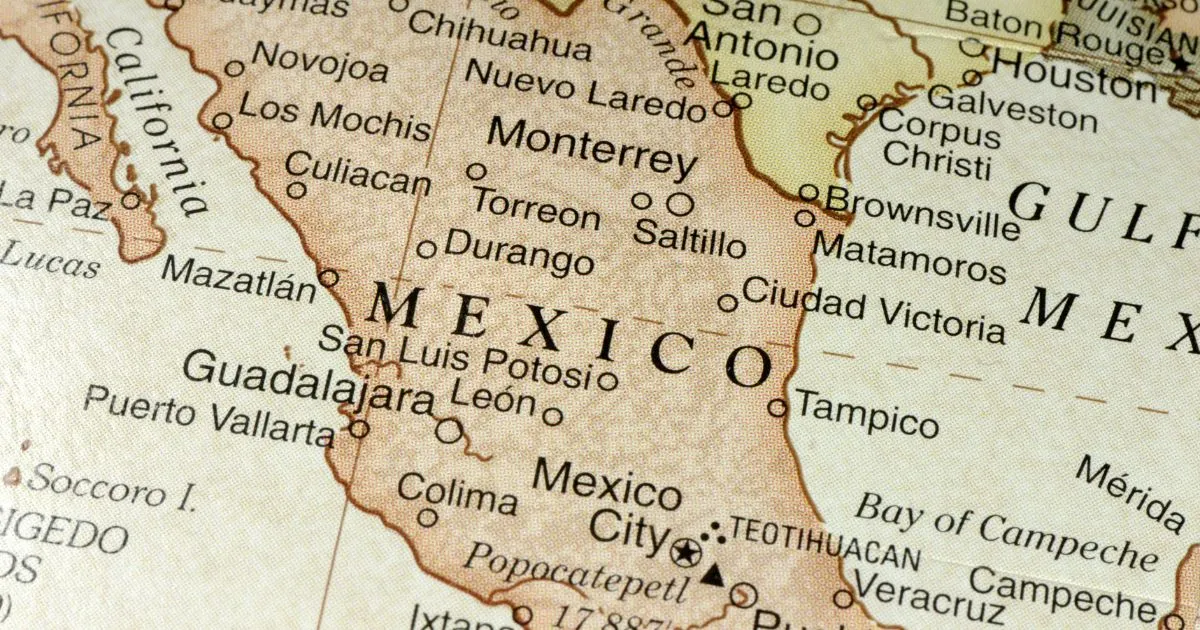
- Strategic location: Proximity to the Pacific Ocean and the Gulf of Mexico makes Mexico a top maritime hub.
- Trade agreements: The USMCA (United States-Mexico-Canada Agreement) has tariff benefits for Mexico as a signatory nation.
- Development of manufacturing center: Mexico is a top exporter of automobiles, electronics, machinery, and medical devices.
- Facilities and ports: Primary seaports such as Manzanillo, Veracruz, and Lazaro Cardenas link Mexico to the international market.
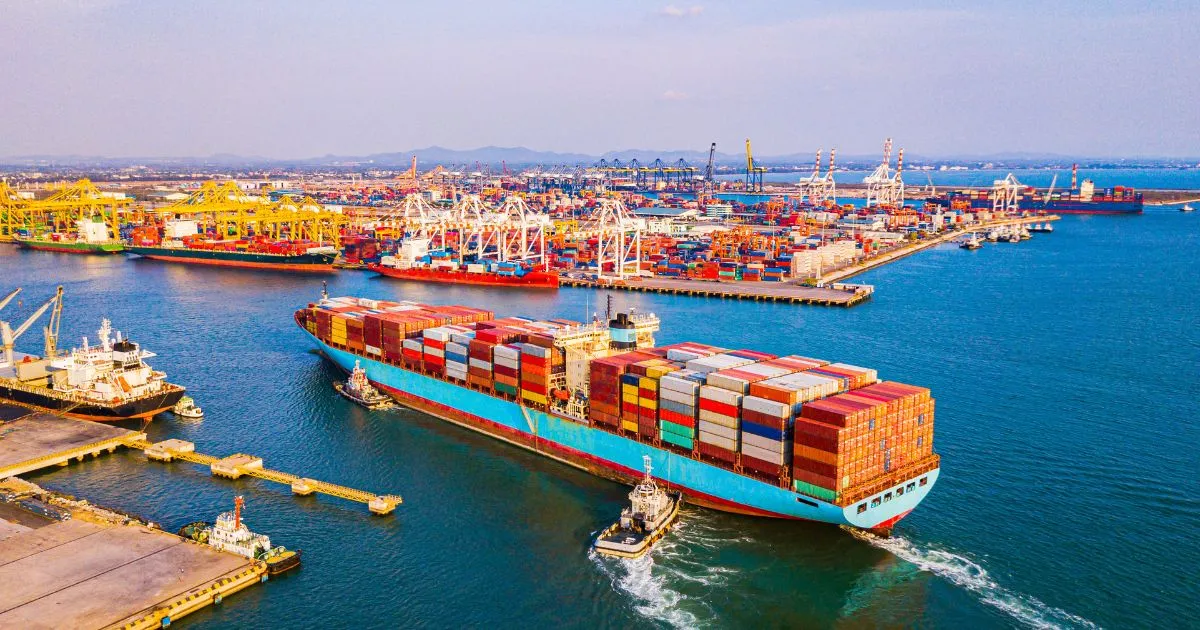
Cargo Shipping Modes to Mexico
Shipping cargo from China to Mexico involves multiple transport modes, each suited to different types of goods, urgency, and budget.
The most common options include sea freight, air freight, and rail or multimodal transport.
Sea freight is ideal for heavy or bulk shipments due to its cost-effectiveness, while air freight offers speed for high-value or time-sensitive goods.
Rail and multimodal transport can provide a balance between speed and cost for certain routes.
Selecting the right shipping mode is essential for ensuring timely delivery, minimizing costs, and meeting the specific needs of your cargo and business requirements.
Freight shipping to Mexico can be done via sea freight, air freight, railway, and trucking. It is based on cargo type, urgency, and cost factors.
Sea Freight to Mexico
- Ocean shipping is the most economical and common method for transporting large quantities of products to Mexico.
- FCL (Full Container Load): Ideal for bulk cargo to fill the entire container (20ft, 40ft, or 40ft HC).
- LCL (Less than Container Load): Best for minor loads with additional cargo.
- RORO (Roll-On/Roll-Off): Trucks, automobiles, and heavy machinery.
- Breakbulk shipping: For oversized products too large to fit inside a standard-sized container.

Hot Mexican ports:
- Port of Manzanillo – Largest on Pacific Coast, ships containerized products.
- Port of Veracruz – Primary point of entry/exit for European and U.S. East Coast trade.
- Port of Lazaro Cardenas – Shipments bulk products and autos.
Transit Times (Approx.):
- China to Mexico: 25–35 days
- USA to Mexico: 3–7 days (port dependent)
- Europe to Mexico: 15–25 days
Air Freight to Mexico
Quickest method of shipping but most costly. Ideal for perishables, high-value, and time-critical freight.
Key Mexican Airports for Freight:
- Mexico City International Airport (MEX)
- Guadalajara International Airport (GDL)
- Monterrey International Airport (MTY)
Transit Times (Approx.).
- USA to Mexico: 1–2 days
- Europe to Mexico: 2–4 days
- China/Asia to Mexico: 4–6 days
Rail Freight to Mexico
The Mexican rail system is connected to Canada and the United States, providing a benign alternative for cross-border commerce.
Rail is heavily utilized for autos, fruits, and bulk commodities.
Major Rail Operators:
- Ferromex
- Kansas City Southern de México (KCSM)
Trucking to Mexico
Truck freight is strongly applicable to short-haul and cross-border trade with the U.S.
Trucking is also heavily utilized in last-mile delivery following sea or air transportation.
Shipping Cargo Cost to Mexico
The cost of shipping cargo from China to Mexico varies significantly based on several factors, including shipment size, weight, transport mode, and route.
Sea freight is generally the most economical option for large, bulk shipments, while air freight is faster but comes at a higher price.
Additional costs such as fuel surcharges, port handling fees, customs duties, and insurance also influence the total expense.
Businesses must carefully evaluate these factors to choose the most cost-effective solution for their needs, balancing speed, reliability, and budget to optimize their supply chain efficiency when shipping goods from China to Mexico.
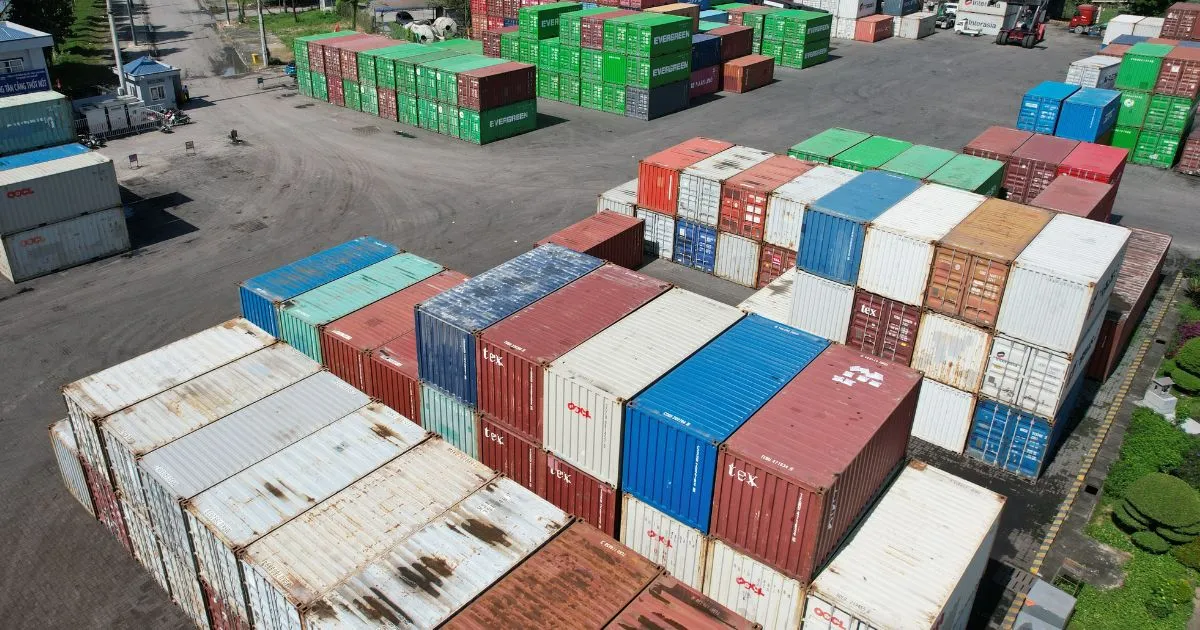
Shipping cost is dependent on:
- Mode of transport (sea, air, rail, truck)
- Country and port of origin
- Size and type of cargo
- Duties and tariffs
- Seasonal fluctuation and demand
Average Costs (2025 estimates):
- Sea Freight FCL (40ft): $2,500 – $5,500 (Asia to Mexico)
- LCL Freight: $50 – $80 per cubic meter
- Air Freight: $5 – $10 per kg (depending on route and urgency)
- Trucking (cross-border USA-Mexico): $1,000 – $3,500 per load
Customs Clearance in Mexico
Customs clearance in Mexico is a critical step for importing goods, ensuring that shipments comply with the country’s regulations and legal requirements.
Proper documentation, accurate classification of goods under the Harmonized System (HS) codes, and payment of applicable duties and taxes are essential to avoid delays or penalties.
The process involves inspections, verification of invoices, and coordination with Mexican customs authorities.
Efficient customs clearance not only speeds up delivery but also reduces costs associated with storage or demurrage at ports.
Understanding the procedures beforehand helps importers streamline operations and maintain smooth trade between China and Mexico.
To export to Mexico, businesses have to follow customs procedures. Erroneous documentation can cause delay, fine, or seizure of goods.
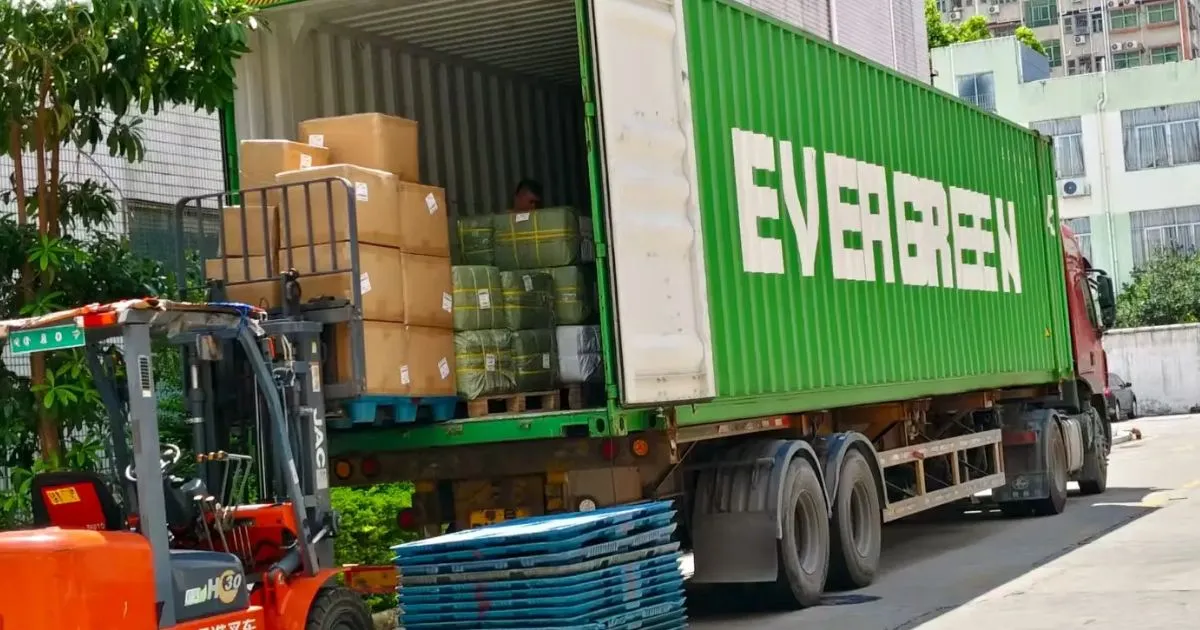
Documents Required
- Ocean shipment Bill of Lading (B/L) or Air shipment Airway Bill (AWB)
- Commercial Invoice with HS codes
- Packing List
- Certificate of Origin (if tariff preference under USMCA is to be availed)
- Import License (for controlled items)
Duties and Taxes
Mexico applies the Harmonized Tariff System (HTS) in calculating duties. Import duties are:
- Import Duty (product specific)
- Value Added Tax (VAT): 16% across the country
- Excise Tax (IEPS): On spirits, cigarettes, and luxury products
Restricted & Prohibited Items
A few products are subject to special permits or are banned from importation. Examples:
- Firearms and ammunition
- Hazardous chemicals
- Counterfeit items
- Commercial agricultural produce
Importing and Exporting Shipping Tips
Importing and exporting require careful planning and attention to detail to ensure smooth shipping operations.
Proper preparation, including accurate documentation, understanding of customs regulations, and selection of the right shipping mode, can save both time and money.
Staying informed about duties, taxes, and local compliance requirements helps avoid delays at ports.
Additionally, working with reliable freight forwarders or logistics partners can streamline the process, provide real-time tracking, and reduce the risk of cargo damage or loss.
Implementing these shipping tips ensures efficiency, cost-effectiveness, and a stronger global trade experience.
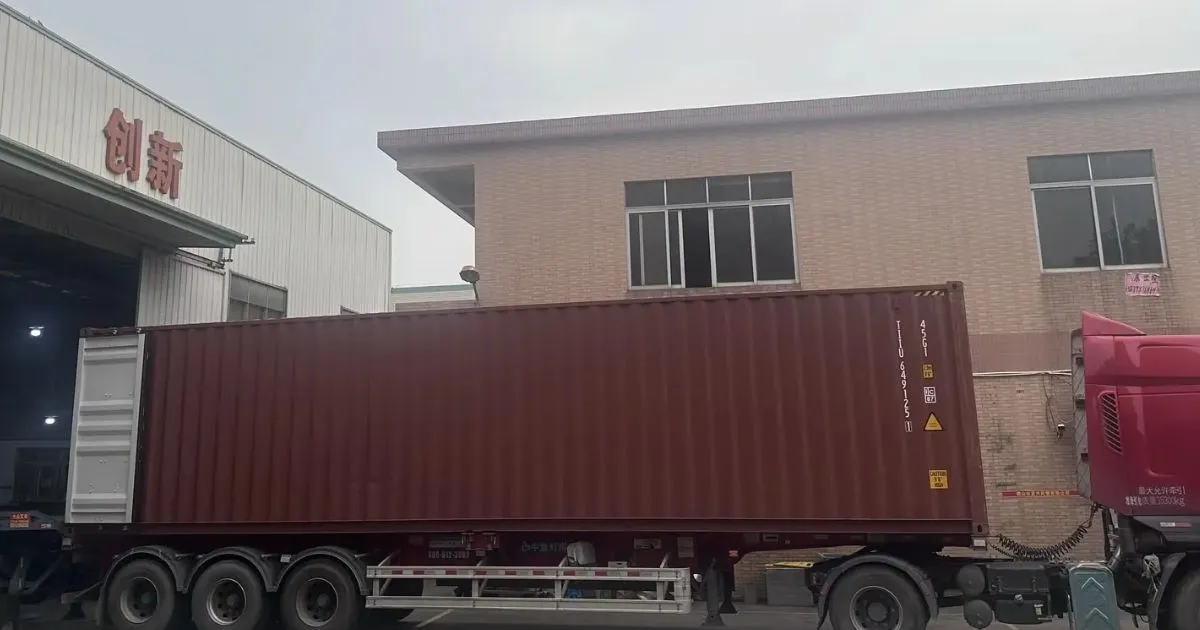
Avoid these expensive gaffes by keeping the following best practices in mind:
- Plan in advance – Allow for customs clearance and port delays.
- Choose the right Incoterms – Decide whether freight payment is your responsibility or that of the supplier (FOB, CIF, DDP, etc.).
- Utilize a good freight forwarder – They can help with customs, docs, and logistics.
- Request cargo insurance – Insure your cargo against loss or damage during transit.
- Be aware of regulations – Mexican customs update import regulations from time to time.
Mexico’s Principal Trading Partners and Imports
Mexico maintains strong trade relationships with countries around the world, making it one of the most dynamic economies in Latin America.
Its principal trading partners include the United States, China, Canada, Germany, and Japan, among others.
These relationships influence the types of goods imported, which range from machinery and electronics to vehicles, chemicals, and agricultural products.
Understanding Mexico’s main trading partners and the products it imports is crucial for businesses looking to enter the Mexican market or optimize their supply chain.
This knowledge helps exporters and importers make informed decisions about shipping routes, customs requirements, and market demand.
Mexico imports billions of dollars’ worth of products each year. Knowledge of principal imports allows businesses to identify opportunities.
Principal Imports to Mexico (2025):
- Machinery and equipment
- Electronics (computers, cellphones, semiconductors)
- Automobiles and automobile accessories
- Mineral fuels (gas, oil, coal)
- Medical equipment and medicines
- Agricultural products (seeds, grains, dairy)
Top Trading Partners:
- United States (largest)
- China
- Germany
- Japan
- South Korea
Shipping Issues to Mexico
Although Mexico is a prosperous trading hub, businesses have to be capable of anticipating difficulties that can arise:
- Port delays – Increased demand leading to delays.
- Bottlenecks in customs – Lack of proper documents can lead to delay in clearance.
- Security threats – Thefts on specific routes; transport needs to be insured.
- Currency exchange rates – Volatility of the peso can impact the price of trade.
Future Cargo Shipping to Mexico (2026 and onwards)
Mexico will continue to grow as a global trade center due to:
- Lazaro Cardenas and Veracruz port investment
- USMCA trade relations tightening
- Nearshoring manufacturing growth (companies shifting supply chains closer to the U.S.)
- Growing needs for sustainable logistics options like green ships and electric tractors.
Conclusion
Shipping cargo to Mexico gives a glimpse of one of the world’s most dynamic economies.
Importing electronics, cars, machinery, or consumer products, you need to know about shipping modes, customs rules, and price considerations to survive.
Taking charge, selecting an appropriate freight forwarder, and complying with Mexico’s customs regulations allow businesses to capitalize on Mexico’s geographic premium for cross-border trade in 2025 and beyond.
References
World Bank – Mexico Trade Overview (2024)
International Trade Administration (ITA) – Mexico Country Commercial Guide
UNCTAD – Review of Maritime Transport 2024
Freightos Data – Global Freight Shipping Costs (2024-2025)
Mexican Customs Authority (SAT) – Import Requirements


