
bīstamo kravu piegādes kļūdas Ķīna ir pirmais kontrolpunkts, kas pircējiem ir jābloķē, pirms viņi apstiprina piegādātāju, budžetu vai ražošanas vietu. “The UN number on the MSDS is 1263, right?” the buyer asked. “Correct,” the supplier replied. The shipment was stopped at Qingdao port for five days. The product was a paint additive, but the MSDS listed the solvent base as the primary hazard. That mismatch between the declared UN number and the actual composition triggered a full customs inspection. The buyer lost the delivery window, paid $3,200 in demurrage, and had to reclassify the entire order. This is the reality of dangerous goods shipping mistakes from China. They don’t happen because people are careless. They happen because the classification chain — from the factory floor to the freight forwarder’s desk — breaks at a specific handoff point.
Chinese customs now cross-check dangerous goods declarations against export customs data. A mismatch between the two triggers a 5-7 day inspection hold. The average cost per mistake runs between $2,000 and $10,000 in fines, demurrage, and re-shipment costs. That’s not a theoretical risk. That’s the bill for a single mislabeled shipment. Most buyers focus on the freight rate and transit time. The professionals focus on the paperwork chain that keeps the cargo moving. The seven mistakes below cover the most common DG shipping errors China — the ones that cost time and money, and the ones that a pre-audit catches before the container seals.
Mistake 1: Wrong UN Number or Hazard Class
A wrong UN number can cost $2,000–$10,000 in fines, demurrage, and reclassification fees.
How Misclassification Happens
UN number misclassification is the most common dangerous goods shipping mistake from China. It happens when a shipper assigns a generic UN number like UN1993 (flammable liquid, n.o.s.) instead of the specific entry for their product — or picks the wrong hazard class entirely. A paint manufacturer shipping acrylic resin might list it as Class 3 (flammable) when the flashpoint actually places it in Class 9 (miscellaneous). The difference isn’t academic: carriers and customs use the UN number to determine packaging requirements, stowage segregation, and handling protocols.
Chinese customs now cross-check DG declarations against export customs data. If the HS code on your commercial invoice doesn’t align with the UN number on your dangerous goods declaration, that mismatch triggers a full inspection. We’ve seen containers held for 5–7 days while officials verify the chemistry. During that time, demurrage charges accumulate at $50–$150 per day depending on the port.
Cost: Delays, Fines, and Reclassification Fees
- Customs fines: Misdeclared hazardous materials can draw penalties from Chinese customs ranging from RMB 10,000 to RMB 100,000 ($1,400–$14,000) per shipment. Repeat violations escalate quickly.
- Carrier rejection fees: If a carrier discovers misclassification after loading — or if port authorities flag it during inspection — they may refuse to transport the container. You pay for unloading ($200–$500), re-stowage ($300–$800), and administrative rebooking fees ($150–$350).
- Reclassification costs: Fixing a wrong UN number often requires hiring a certified DG consultant or testing lab to re-classify the material. That runs $300–$1,200 per classification report, plus courier fees for sample transport to a testing facility.
$2,000–$10,000 is the average total hit per mistake when you add up fines, demurrage (5 days × $100 = $500), rebooking fees ($350), and lost sales from delayed delivery. WanSeaChina’s pre-audit catches 95% of these errors before booking — we verify that every UN number matches both the MSDS Section 14 data and the product’s actual chemical properties before it reaches customs.

Mistake 2: Missing or Invalid MSDS
A mismatched Section 14 is the fastest way to trigger a 5-7 day customs hold.
An MSDS that lists one UN number while the dangerous goods declaration shows another is a red flag Chinese customs now actively cross-check. The system compares the export customs data against the DG declaration in real time. A mismatch — even a typo in the proper shipping name — triggers a full inspection. That means 5 to 7 days of delays while your container sits at the port.
Section 14 Must Match the Declaration
Section 14 of the MSDS contains the transport information: UN number, proper shipping name, hazard class, packing group, and any special provisions. Every single field must match what appears on the dangerous goods declaration and the shipping document. If Section 14 says UN 1263 (Paint) but the declaration says UN 1268 (Petroleum Distillates), customs flags the discrepancy as a misdeclaration.
The fix is straightforward but often skipped. Before booking, send the MSDS and the draft DG declaration to the freight forwarder for a cross-check. WanSea runs this pre-audit on every hazmat shipment. The process catches 95% of errors before the cargo reaches the terminal. Without that check, the average cost per mistake lands between $2,000 and $10,000 in fines, demurrage, and re-shipment costs.
- Common mismatch patterns: UN number differs between MSDS and declaration. Proper shipping name uses a synonym instead of the exact IMDG name. Hazard class is correct but packing group is wrong. Flash point listed in Section 9 contradicts the transport classification.
- Why it happens: Suppliers often use a generic MSDS from the raw material manufacturer rather than one specific to the finished product. The supplier’s declared composition may differ from the actual cargo, creating a mismatch that only surfaces when customs runs the cross-check.
Mistake 3: Incorrect Packaging and Markings
Non-UN-certified packaging is the #1 cause of DG shipment rejection at Chinese ports.
You can have the correct UN number, a perfect MSDS, and a signed declaration — but if the packaging doesn’t carry a valid UN certification mark, the container stays at port. Chinese customs now cross-check DG declarations against export customs data. A mismatch between what’s on the packing list and what’s printed on the box triggers a full inspection with 5–7 day delays.
What the UN Marking Must Show
- Packaging code: (e.g., 4G for fiberboard box, 1A2 for steel drum) must match the permitted packaging type for your UN number. Using a box rated for solids to ship liquids is an automatic fail.
- Packing group rating: (X = I, Y = II, Z = III). Most hazardous materials require at least Y-level. If your chemical is Packing Group II and the box shows only Z, it’s non-compliant.
- Gross mass limit: (e.g., 30 kg). Exceeding this voids the certification entirely. A single overfilled box can get an entire pallet rejected.
The marking must also include the manufacturer’s code, year of manufacture, and country of origin. Missing or illegible stamps are treated as no certification at all by most carriers and port authorities.
Inner Packaging & Absorbent Materials
Liquids require sufficient absorbent material between inner and outer packaging to contain a leak from any one inner container. This isn’t optional — it’s specified under IMDG 4.1 and IATA 5.0.2. WanSea has seen shipments where shippers used newspaper instead of certified absorbent pads; those containers were re-packed at the shipper’s cost before loading.
Solids that generate dust or fine particles need sealed inner liners (polyethylene bags minimum) to prevent product migration into the outer box fibers during transit.
Mistake 4: Failure to Declare Limited Quantities
LQ exemptions reduce paperwork but still require correct declaration.
Limited Quantities (LQ) rules allow shippers to transport certain dangerous goods in smaller packages under reduced regulatory requirements. The logic is straightforward: smaller volumes mean lower risk. But the trap is in the details. Many shippers assume that because the goods qualify for LQ treatment, they can skip the declaration entirely. That assumption leads to cargo being rejected at the terminal or flagged during customs inspection.
How LQ Exemptions Actually Work
Under IMDG Code Chapter 3.4, goods packed in inner packages not exceeding the per-inner and per-outer limits can be shipped with simplified marking and documentation. The outer package must bear the LQ mark — a diamond shape with the letters “LTD QTY” — and the shipper must still provide a transport document that states “Dangerous Goods in Limited Quantities.” That document is not optional. Chinese customs now cross-check DG declarations against export customs data, and a mismatch between the declared LQ status and the actual packaging triggers a full inspection with 5–7 day delays.
The Real Cost of Getting LQ Wrong
What a Professional LQ Check Looks Like
- Package limits: Verify the inner package volume and outer package gross mass against the specific UN number’s LQ provisions in Column 7 of the Dangerous Goods List.
- Marking: The LQ mark must be permanently affixed to the outer package. A sticker that peels off in humidity is a compliance failure.
- Documentation: The transport document must include the phrase “Dangerous Goods in Limited Quantities” and the applicable UN number. No exceptions.
- Carrier policy: Some ocean carriers and airlines refuse LQ shipments entirely. Always confirm carrier acceptance before booking.
Mistake 5: Incomplete Dangerous Goods Declaration
A missing UN number or wrong quantity can stall your shipment for a week.
An incomplete dangerous goods declaration is the most common reason Chinese customs flags a shipment. The declaration must list every hazardous item, its UN number, proper shipping name, class, packing group, quantity, and number of packages. Leave one field blank, and the container gets pulled for inspection.
The Cross-Check That Catches Most Shippers
Chinese customs now cross-checks DG declarations against export customs data. A mismatch between the two — say, the customs form lists “adhesive” but the DG declaration doesn’t mention the UN 1133 classification — triggers a full inspection. That inspection takes 5-7 days, and you pay the demurrage.
What a Complete Declaration Requires
- UN Number and Proper Shipping Name: Must match the MSDS Section 14 exactly. Even a punctuation difference can cause rejection.
- Hazard Class and Packing Group: Class 3 flammables need a different declaration format than Class 8 corrosives. Mixing them up means re-filing.
- Total Quantity and Package Count: Declare 20 drums but ship 22? Customs treats that as undeclared DG, and fines start at $2,000.
The average cost of this mistake runs $2,000 to $10,000 in fines, demurrage, and re-shipment costs. WanSea’s pre-audit catches 95% of these errors before the booking is confirmed. We review every line of the declaration against the cargo manifest and the supplier’s MSDS before it reaches customs.
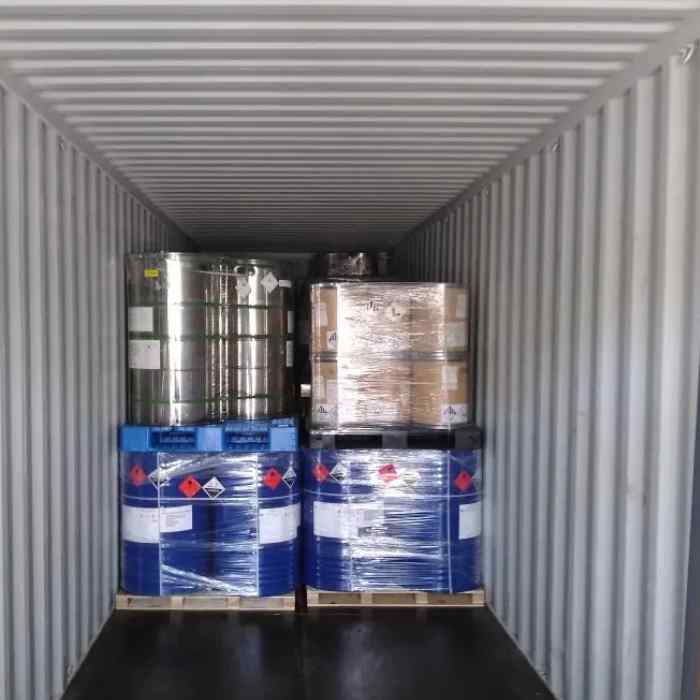
Mistake 6: Not Securing Carrier Pre‑Approval
A carrier can reject your DG cargo at the terminal gate.
Most buyers assume that once the freight forwarder accepts the booking, the carrier is locked in. That assumption fails when the cargo is dangerous goods. Many ocean carriers maintain internal lists of prohibited or restricted hazardous materials that go beyond the IMDG Code. A UN 1263 paint shipment approved by one line gets flat-out rejected by another. The rejection doesn’t happen at the booking stage. It happens when the container arrives at the terminal gate, and the carrier’s dangerous goods officer reviews the paperwork.
Why Carriers Say No After Booking
Every carrier publishes a list of DG cargo they will not accept under any circumstances. Some ban all lithium batteries shipped as cargo, not just damaged or recalled units. Others refuse specific subclass 6.1 toxic substances or certain organic peroxides. The problem is most buyers never see that list. The freight forwarder books the space, the cargo arrives at the port, and the carrier’s compliance team flags the UN number. Result: the container sits at the terminal while you scramble for a replacement carrier, and the terminal charges storage fees that hit $200–$500 per day.
The Pre-Approval Process That Should Be Standard
- Carrier DG Questionnaire: Before booking, send the carrier the exact UN number, proper shipping name, packing group, and MSDS. Ask for written confirmation that they accept this specific commodity. Verbal approval from a sales rep is not enough.
- IMO Class Restrictions: Some carriers limit the number of DG containers per vessel by class. Class 2.1 (flammable gas) and Class 4.2 (spontaneously combustible) are the most frequently capped. If your cargo falls into these categories, book early and get the carrier’s allocation confirmed in writing.
- Port-Specific Bans: Certain destination ports have local restrictions that override the carrier’s general policy. A carrier may accept your cargo for the mainline vessel but refuse to transship it through a specific hub. The pre-approval check must cover the full route, not just the origin port.
A freight forwarder with 10 years of experience in handling DG cargo from Qingdao, like WanSea, runs this pre-approval check as a standard step. We maintain a database of carrier restrictions by UN number and route. Before we confirm a booking, we verify that the specific carrier accepts the specific commodity for the specific destination. That pre-audit catches the mismatch before the cargo leaves the warehouse, not after it arrives at the terminal.
Mistake 7: Ignoring Local Chinese Regulations
Chinese customs cross-check DG declarations against export data.
Many buyers assume international rules like IMDG, IATA, or ADR are enough when shipping dangerous goods from China. That assumption leads to costly delays. China enforces its own GB standards — GB 6944 for classification and GB 12268 for the list of dangerous goods. A declaration that matches IMDG but not the Chinese GB system will get flagged.
GB Standards vs. International Rules
The differences are not minor. GB standards often have stricter classification thresholds, additional labeling requirements, and specific packaging tests. Some substances classified as non-dangerous under IMDG are regulated under GB. Chinese customs now cross-reference your DG declaration against your export customs data. A mismatch triggers a full inspection — 5 to 7 days of delay. That means demurrage, missed deliveries, and potential fines.
As a Qingdao-based freight forwarder with over a decade of experience, WanSea handles these cross-checks daily. Our pre-audit process checks both international rules and local GB requirements before booking. We also cross-reference the declaration against your export customs data to catch mismatches early. Our internal data shows this catches 95% of errors before they reach customs. That’s the difference between a smooth shipment and a costly mistake.
How WanSeaChina Prevents These Mistakes
A pre-audit catches 95% of DG errors before booking.
Most mistakes in dangerous goods sūtīšana no Ķīnas get caught after the container is sealed. By then, you’re looking at $2,000 to $10,000 in fines, demurrage, and re-shipment costs. WanSeaChina’s pre-booking audit catches 95% of those errors before the freight quote is even issued. That’s not a marketing claim — it’s a process built on 10 years of handling hazardous materials through Qingdao port.
The Cross-Check That Saves Your Shipment
Chinese customs now cross-check DG declarations against export customs data. A mismatch between the UN number on your shipping documents and the HS code on your export declaration triggers a full inspection. That inspection adds 5-7 days to your transit time. WanSeaChina’s team reconciles both data sets before the booking is submitted. We verify the UN number, hazard class, packing group, and proper shipping name against the actual cargo composition — not just the paperwork the supplier handed you.
MSDS and Packaging Verification
An invalid or missing MSDS is one of the most common dangerous goods documentation errors. We check that Section 14 of the MSDS matches the dangerous goods declaration exactly. If the supplier’s MSDS is older than 3 years, we flag it for renewal. For packaging, we require photos of the UN certification mark on each drum or box before the cargo leaves the factory. If the marking is illegible or the packaging isn’t rated for the specific packing group, we stop the shipment and arrange compliant packaging through our network.
Carrier Pre-Approval and DG Container Loading
Many carriers require pre-approval for certain classes of dangerous goods — especially lithium batteries, flammable liquids, and toxic substances. WanSeaChina secures that approval before the cargo arrives at the container yard. We also manage the container loading plan to ensure proper segregation of incompatible goods, correct stowage, and accurate placarding. For FCL shipments, we coordinate directly with the terminal to avoid the delays that come from last-minute DG reclassification.
The result is a single point of accountability for your DG compliance. One team handles the classification audit, the documentation check, the carrier booking, and the loading supervision. That’s how we turn a $10,000 risk into a routine shipment.
Secinājums
The seven mistakes covered here represent the bulk of what goes wrong in dangerous goods shipping from China. Each one — from a misclassified UN number to an incomplete declaration — can trigger fines, demurrage, or re-shipment costs averaging $2,000–$10,000 per incident. But the final 10% that separates a professional from an amateur is this: the best shipment is the one where the documentation is pre-audited before the booking is even placed. Chinese customs now cross-check DG declarations against export customs data, and a mismatch can stall cargo for a week.
- Wrong UN number or hazard class causes 5–7 day customs delays.
- Missing or invalid MSDS Section 14 blocks carrier acceptance.
- UN-certified packaging is mandatory for all DG shipments.
- A pre-audit catches 95% of errors before you book.
If you’re preparing a dangerous goods shipment from China, the next step is to review your current documentation process against the checklist above. Even a single mismatch can cost you thousands. A partner like WanSeaChina — with over a decade of experience in DG shipping — offers a pre-audit that catches 95% of errors before the cargo leaves the factory. Contact the team to discuss your next shipment and ensure your DG declaration is clean from the start.
Bieži uzdotie jautājumi
What is the most common mistake in dangerous goods shipping from China?
The most common mistake is using the wrong UN number or hazard class on shipping documents. This can lead to fines of $2,000–$10,000 and port delays of up to five. Always cross-check the MSDS Section 14 with your freight forwarder before booking.
Why is a missing MSDS a problem for DG shipping?
A missing or invalid MSDS, especially if Section 14 doesn’t match the dangerous goods declaration, is the fastest way to trigger a 5-7 day customs hold. Provide the MSDS to your forwarder at least 48 hours before cargo arrives at the port.
What packaging is required for dangerous goods from China?
All dangerous goods must be packed in UN-certified packaging, which is the number one cause of shipment rejection at Chinese ports if missing. Non-certified packaging will be stopped by. Verify your supplier uses UN-certified packaging and request photos of the UN markings.
Do I need carrier pre-approval for DG shipments?
Yes, most ocean and air carriers require pre-approval before accepting dangerous goods, and failing to secure it can result in last-minute booking cancellations. This approval must be obtained before the. Confirm carrier pre-approval at least one week before the scheduled sailing date.
How do Chinese DG regulations differ from international rules?
China enforces its own GB standards that can be stricter than international IMDG or IATA rules, especially for classification and labeling. Ignoring local Chinese regulations is a common. Work with a Qingdao-based forwarder like WanSea who knows both GB and international rules.


