Idaduro aabo kii ṣe ẹsun kan. O tumọ si pe gbigbe ko tii sọ ayẹwo ti a fun ni aṣẹ kuro, tabi o sọ ayẹwo kan ati nkan kan ninu data tabi package nilo iwo keji ṣaaju ki o to le gbe. Gbogbo nkan ẹru lori ọkọ ofurufu ero ni lati ṣe ayẹwo, ati pe o nilo oniṣẹ lati rii pe o ti ṣe ṣaaju ikojọpọ, nitorinaa idaduro jẹ eto n ṣiṣẹ dipo ikuna. Ohun ti o yapa idaduro ọjọ meji lati ọsẹ meji kan ni boya o le dahun awọn ibeere mẹta ni kiakia: jẹ ibojuwo yii, atunyẹwo ọja ti o lewu, tabi ọrọ data aṣa; le iwe kikọ rẹ ye a lafiwe pẹlu awọn package; ati ki o ṣe rẹ forwarder nṣiṣẹ a mọ shipper eto lori wipe ipa ọna. Ṣe atunṣe awọn mẹta ati awọn idaduro pupọ julọ yanju laisi ẹtọ kan.
Four different holds wearing the same label
“Held for security” usually resolves into one of four categories, and they have different owners. The first is plain screening: the cargo has not yet been through the required check, or it is queued behind other freight at a congested facility. Nobody suspects anything; the shipment is waiting its turn.
The second is a screening failure, where the package could not be read clearly. Dense metal, mixed materials packed tight, foil or shielding, or a shape the machine cannot resolve will push a carton into manual inspection. The third is a dangerous goods review, where the declared contents suggest a regulated article that needs the paperwork checked. The fourth is a data problem: the manifest, the air waybill and the invoice disagree, or a filing did not arrive in time.
Ask the forwarder which of the four it is before doing anything else. The action for each is different, and a shipper who starts by rewriting the invoice when the real problem is a queue will lose two days for nothing.
Why the screening rule exists and what it requires
Ibeere naa kii ṣe ayanfẹ ti ngbe. Awọn oniṣẹ ọkọ ofurufu ni a nilo lati rii daju pe a ṣayẹwo ẹru ati ṣayẹwo ṣaaju ki o to kojọpọ, ati pe ayẹwo naa bo awọn eniyan laigba aṣẹ ati awọn ibẹjadi ati awọn nkan iparun miiran. Awọn gbigba ati ilana ibojuwo ṣeto ọranyan yẹn, ati awọn TSA eru waworan eto ṣapejuwe bi iboju ṣe jẹ gangan nipasẹ awọn gbigbe, awọn ohun elo iboju ati awọn ẹgbẹ aja.
Awọn abajade meji tẹle fun ọkọ. Ni igba akọkọ ti ni wipe ko si forwarder le waive awọn ayẹwo, ki a ileri lati “gba laisi ayẹwo” jẹ boya a gbọye tabi a pupa Flag. Awọn keji ni wipe awọn ọna ti waworan da lori awọn ohun elo, ti o jẹ idi ti kanna paali le ko ni ọkan papa ati ki o fa ni miiran.
Package pinnu boya ibojuwo yarayara
Ṣiṣayẹwo jẹ iṣoro aworan ṣaaju ki o jẹ iṣoro iwe kikọ. Paali ti o ṣe aworan ti o han gbangba n lọ nipasẹ isinyi. Paali ti o ṣe eyi ti a ko le ka ni a ṣii, ṣiṣi si ni ibiti akoko ti n lọ: ẹru naa gbọdọ wa ni ṣiṣi silẹ, ṣayẹwo, tun ṣajọpọ ati tun di, ati pe ifisilẹ naa ni lati tọju ẹwọn atimọle.
Iyẹn tumọ si awọn yiyan apoti ti a ṣe ni ile-iṣẹ pinnu abajade ibojuwo awọn ọsẹ nigbamii. Ọja kan ti o ṣoki ni ilodi si ile irin, ọpọlọpọ awọn ohun ipon to tolera ki wọn le ni lqkan ninu aworan naa, tabi paali ti o wa pẹlu bankanje yoo ṣe agbejade iwo keji paapaa nigbati awọn akoonu ba jẹ deede deede. Awọn ẹru idapọmọra jẹ ọran ti o nira julọ, nitori pe paali kan ti o ni awọn ẹrọ itanna, awọn olomi ati awọn aṣọ n ṣe agbejade aworan ti o kunju ninu eyiti ko si nkankan ti o jẹ idanimọ kedere.
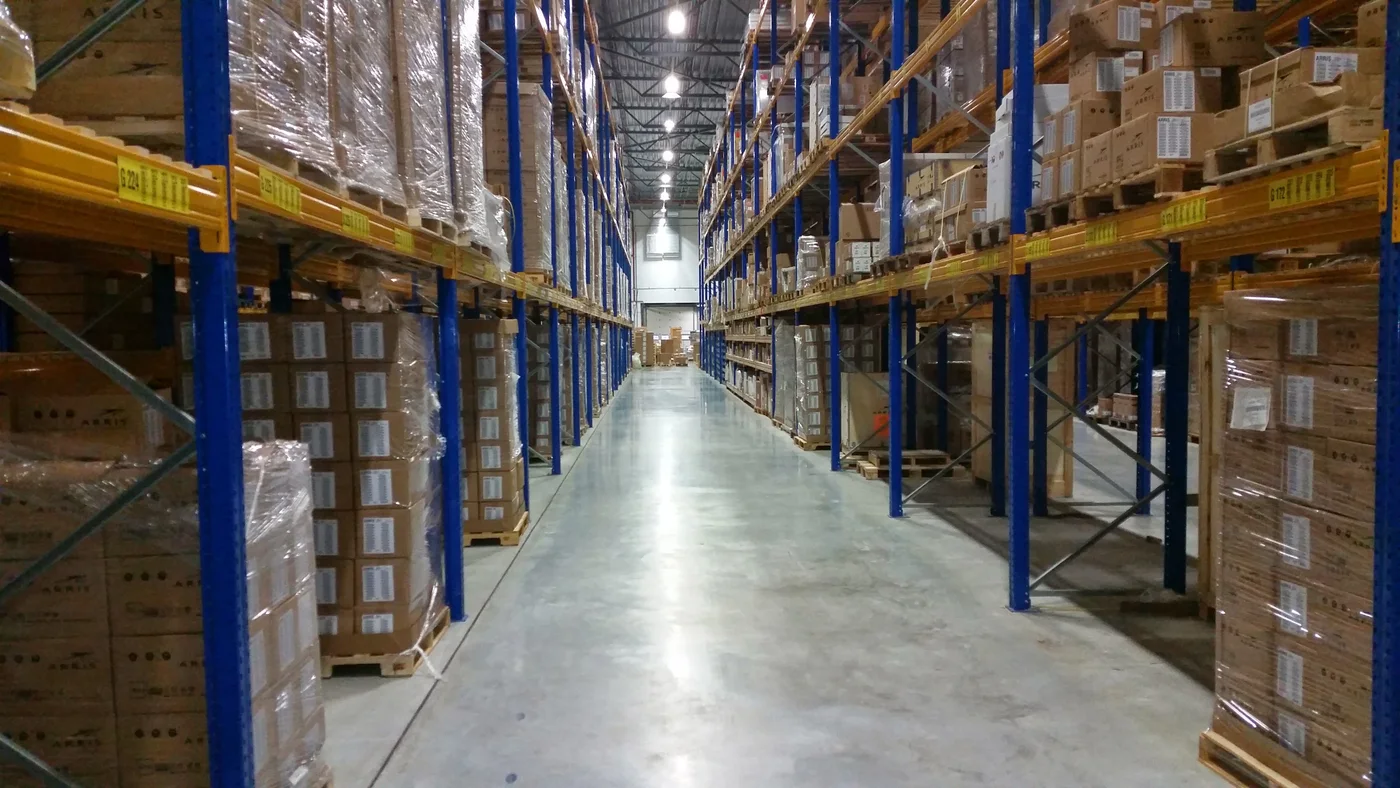
Awọn apejuwe ti o ye a lafiwe
Ohun kan ti o wulo julọ ti ọkọ oju omi n ṣakoso ni apejuwe naa. “Awọn ẹrọ itanna” ati “awọn apẹẹrẹ” kii ṣe awọn apejuwe; wọn jẹ awọn oniduro ti o ṣe iṣeduro ayẹwo afọwọṣe, nitori iboju ko le baramu aworan si ẹka kan. Apejuwe ti o lorukọ nkan naa, iṣẹ rẹ ati eyikeyi paati ilana yoo fun olubẹwo nkan lati ṣe afiwe si, ati lafiwe ni bii idaduro kan ṣe tu silẹ.
Iwọnwọn kanna kan lori awọn iwe aṣẹ. Iwe risiti iṣowo, atokọ iṣakojọpọ, iwe afẹfẹ afẹfẹ ati ifihan yẹ ki o sọ ohun kanna ni awọn ọrọ kanna. Aiṣedeede laarin wọn jẹ iru idaduro kẹrin, ati pe o jẹ eyiti o gun ju lati ko kuro nitori pe o nilo atunṣe dipo ayewo. Tiwa air ẹru iṣẹ iwe ni wiwa bi a fowo si ti wa ni gba.
Ibi ti waworan kosi ṣẹlẹ
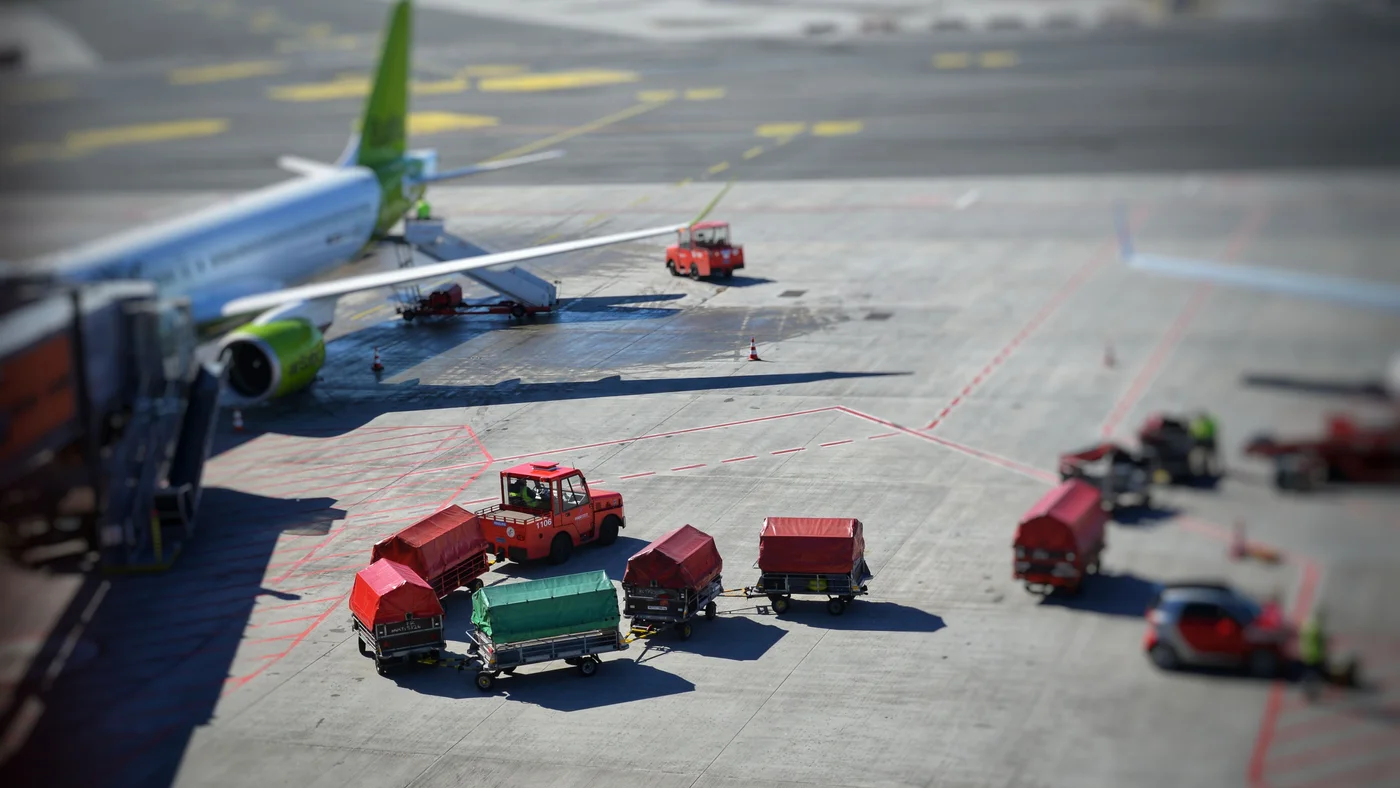
Ṣiṣayẹwo kii ṣe aaye ayẹwo kan ni papa ọkọ ofurufu naa. Eru le ṣe ayẹwo ni ile-iṣẹ ifọwọsi ṣaaju ki o to de papa ọkọ ofurufu, ni ohun elo ti o ngbe, tabi lori rampu, ati pe ipo naa pinnu ẹniti o ni iduro fun idaduro naa. Paali ti a ṣe ayẹwo ni ibi-itọju papa ọkọ ofurufu de pẹlu ipo rẹ ti o ti gbasilẹ tẹlẹ; paali ti o de papa ọkọ ofurufu ti ko ni iboju darapọ mọ isinyi ti o le ma yọ kuro niwaju ọkọ ofurufu naa.
Ti o ni idi ti awọn ikoledanu iṣeto ọrọ bi Elo bi awọn fowo si. Ẹru ti o de ni gige-pipa ti ko si akoko ti o ku fun ibojuwo jẹ ẹru ti o padanu ọkọ ofurufu naa, ati pe idi ni ṣiṣe eto dipo aabo. Beere olutaja nibiti ibojuwo ti ṣẹlẹ fun ipa-ọna yii ati iye akoko ti ilana naa nilo ṣaaju gige ọkọ ofurufu naa. Oluranlọwọ ti o dahun pẹlu ohun elo kan pato ati ala kan n sọ fun ọ pe ipa-ọna wa labẹ iṣakoso.
Iwe aṣẹ ti o de pẹ
Ẹru ọkọ ofurufu ti n lọ si Amẹrika tun lọ nipasẹ ibojuwo data ilosiwaju labẹ Ofin Ṣiṣayẹwo Ilọsiwaju Ẹru Afẹfẹ ti CBP, where shipment information is filed before the flight so the authorities can assess risk. A filing that is incomplete or late delays the shipment even when the package itself is unremarkable, because the assessment has not happened. It sits inside the fourth category, and it is entirely a paperwork problem.
The shipper’s contribution is accuracy, not filing. The forwarder files, but it files what you give it, and a late or vague commercial invoice becomes a late filing. Getting the invoice, the packing list and the shipper details to the forwarder on time is a screening issue in practice, even though it looks like an admin task.
The known shipper question nobody asks at booking
Ẹru lati inu ọkọ oju omi ti awọn ti ngbe tabi aṣoju rẹ ti rii daju gbigbe nipasẹ ilana ti o fẹẹrẹfẹ ju ẹru lati ọdọ ẹgbẹ ti a ko mọ, eyiti o ṣe ayẹwo diẹ sii nitori pe ko si nkankan ti a mọ nipa olufiranṣẹ naa. Boya gbigbe gbigbe rẹ bi a ti mọ tabi ẹru ti a ko mọ ni ipinnu ṣaaju ṣiṣe ifiṣura, nipasẹ boya ọkọ oju-omi ti a npè ni lori iwe-aṣẹ ọkọ oju-ofurufu di ipo ọkọ oju-omi ti a mọ nipasẹ eto ti ngbe, ati boya olutọpa ti n ṣakoso rẹ n ṣiṣẹ eto yẹn gẹgẹbi arukọ afẹfẹ aiṣe-taara.
Eyi tọ lati beere taara ni ipele asọye: jẹ gbigbe gbigbe yii bi ẹru ti a mọ, ati bi ko ba ṣe bẹ, kini iyẹn ṣafikun ni akoko ati mimu. Oluranlọwọ ti ko le dahun o ṣee ṣe ipa ọna rẹ nipasẹ adapo kan ti ipo rẹ jogun laisi mimọ. Ipo naa kii ṣe nkan ti ọkọ oju omi le ṣeto nikan; o jẹ ti awọn ẹgbẹ ninu pq, ti o jẹ idi ti o jẹ ibeere kan nipa rẹ forwarder kuku ju nipa rẹ iwe.
Nigbati ẹru rẹ jẹ eyiti o ni awọn batiri
Batiri litiumu ti a kede jẹ idi ti o wọpọ ibojuwo igbagbogbo di atunyẹwo. Ọja ti o ni batiri ti a fi sii ko ni ihamọ laifọwọyi, ṣugbọn o jẹ ẹya ti olubẹwo n reti lati ri ikede, ati pe batiri ti a ko kede ni iru wiwa ti o yi isinyi sinu iwadi. Kanna kan si awọn banki agbara, apoju awọn sẹẹli ti o wa pẹlu awọn ẹrọ ati eyikeyi ọja nibiti batiri jẹ paati lọtọ.
Ofin ti o wulo ni lati sọ batiri naa ni apejuwe ni gbolohun kanna bi ọja naa, ati lati rii daju pe awọn iwe kikọ baamu. Gbigbe ti a ṣe apejuwe bi atupa pẹlu batiri lithium-ion ti a ṣe sinu ti agbara ti a sọ fun oluyẹwo ohun ti wọn nilo. Gbigbe ti a ṣalaye bi atupa, pẹlu awọn batiri ti a ṣe awari ni iboju, ko ṣe.
Ti o sanwo fun awọn ọjọ ti sọnu
Idaduro aabo jẹ ṣọwọn pipadanu ti o le gba pada. Ti ngbe ni ibamu pẹlu ofin kan, olutọpa ko fa idaduro naa, ati pe ohun elo iboju n ṣe iṣẹ rẹ. Iyẹn fi iye owo idaduro silẹ pẹlu ẹgbẹ ti o dani eewu iṣowo, eyiti o jẹ ẹru, ayafi ti idaduro ba tọpa si aṣiṣe kan pato nipasẹ ẹnikan ninu pq.
Awọn ọran meji tọ lati lepa. Ti idaduro ba tọpa si iwe ti olufiranṣẹ ti o fi ẹsun ti ko tọ, idiyele atunṣe jẹ ijiyan. Ti o ba tọpa si data ẹru ọkọ ti a pese ni aṣiṣe, kii ṣe. Ni iṣe, ọpọlọpọ awọn idaduro joko ni aarin, ati ibaraẹnisọrọ imularada ko wulo ju igbaradi gbigbe ti atẹle. Titọju ẹka naa, awọn aami akoko ati ibeere itusilẹ ninu faili kan jẹ ohun ti o jẹ ki ibaraẹnisọrọ boya ṣeeṣe.
Kini lati se nigba ti eru ti wa ni waye
First, get the category. Second, ask what specifically would release it: a corrected document, a photograph, a declaration, a physical inspection, or simply time. Third, put the answer in writing and give the facility what it asked for, without adding material it did not request. Extra documents slow a release as often as missing ones.
The fourth step is the customer conversation: tell them the truth about the category, because a data hold and a dangerous goods review carry very different expectations. Fifth, price the delay honestly. A hold consumes storage and can push the shipment past a delivery commitment, and those costs belong in the conversation with the forwarder rather than in a later dispute. Our note on shipping dangerous goods from China covers the declaration side that most holds trace back to.
Building a shipment that does not get pulled
The design work happens before the carton is sealed. Pack so the contents produce a readable image: avoid wrapping in foil, avoid stacking dense items so they overlap, and keep the interior arrangement simple enough that a screener can identify what is inside. Where a product must be dense, say so in the description so the image is expected rather than surprising.
Then make the documents agree, declare anything regulated in plain words, and book through a forwarder whose status on the route means your cargo is not automatically treated as unknown. None of that removes the screening requirement, and none of it guarantees a pass. It removes the reasons a screener would need to stop and ask, which is the part a shipper can control.
Ask Three Questions When the Hold Appears
A security hold is a process step with a category, and the category decides everything that follows: who owns the release, what evidence is needed, and how long it should take. Shippers who lose a week usually lose it to a wrong first assumption rather than to the screening itself.
The next time a shipment is held, ask which of the four categories applies, what single item would release it, and whether the cargo is moving as known or unknown. Those three answers tell you whether to correct a document, repack a carton or simply wait, and they keep the delay inside the range the situation actually justifies.