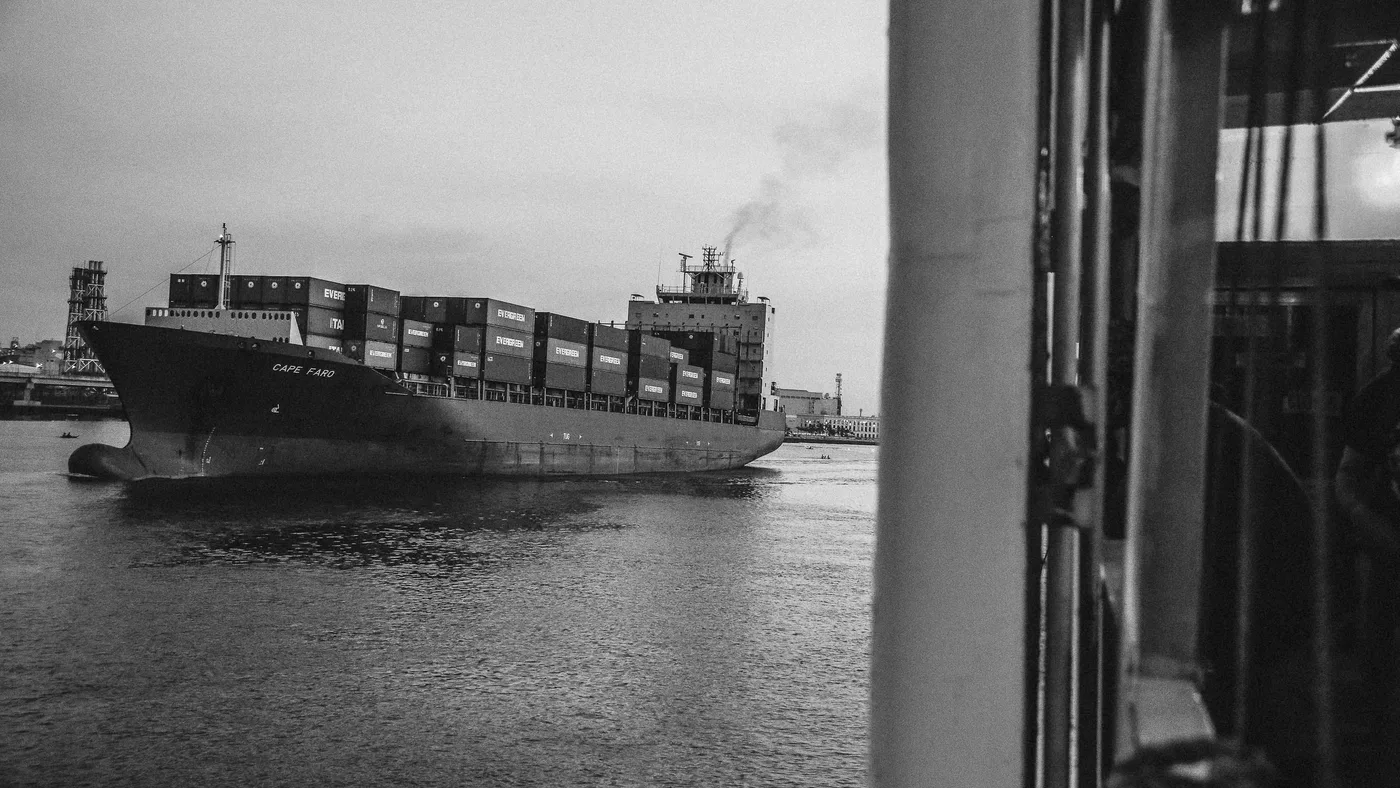
Do not open the doors. A broken, missing or mismatched seal is the one moment in a container’s journey when the evidence is still intact, and opening the container destroys it. Photograph the seal and the door handles where they are, record the seal number as found and compare it with the bill of lading, keep the driver on site, and notify the carrier and your insurer before anything is cut. The sequence matters more than the speed: a container that sits for four hours while the paperwork is raised is a container whose claim survives, and a container opened “to check quickly” is one whose claim usually does not.
Why the first hour decides the claim
A seal is the carrier’s evidence that the container left the terminal as it was received. If it arrives intact and the number matches, the carrier’s position is that the cargo was delivered as documented. If it arrives broken, the carrier’s position changes: it now has to explain how a seal it applied was compromised, and the answer either supports your claim or exposes a gap in its custody.
The moment you open the doors, that question becomes unanswerable. The interior is disturbed, nothing can be attributed to the seal breach rather than to your own handling, and the surveyor who arrives later can only record the condition you created. This is why the instruction is to stop rather than to inspect: inspection is the surveyor’s job, and it happens after the record is fixed.
The record you build before touching anything
Start with photographs taken from a distance that shows the container number and the door in the same frame, then closer shots of the seal, the locking bars, the handles and the door gaskets. Photograph the seal from both sides if part of it remains. If the seal is missing entirely, photograph the empty hasp and the area around it, because an absence is also evidence and it needs to be recorded as found.
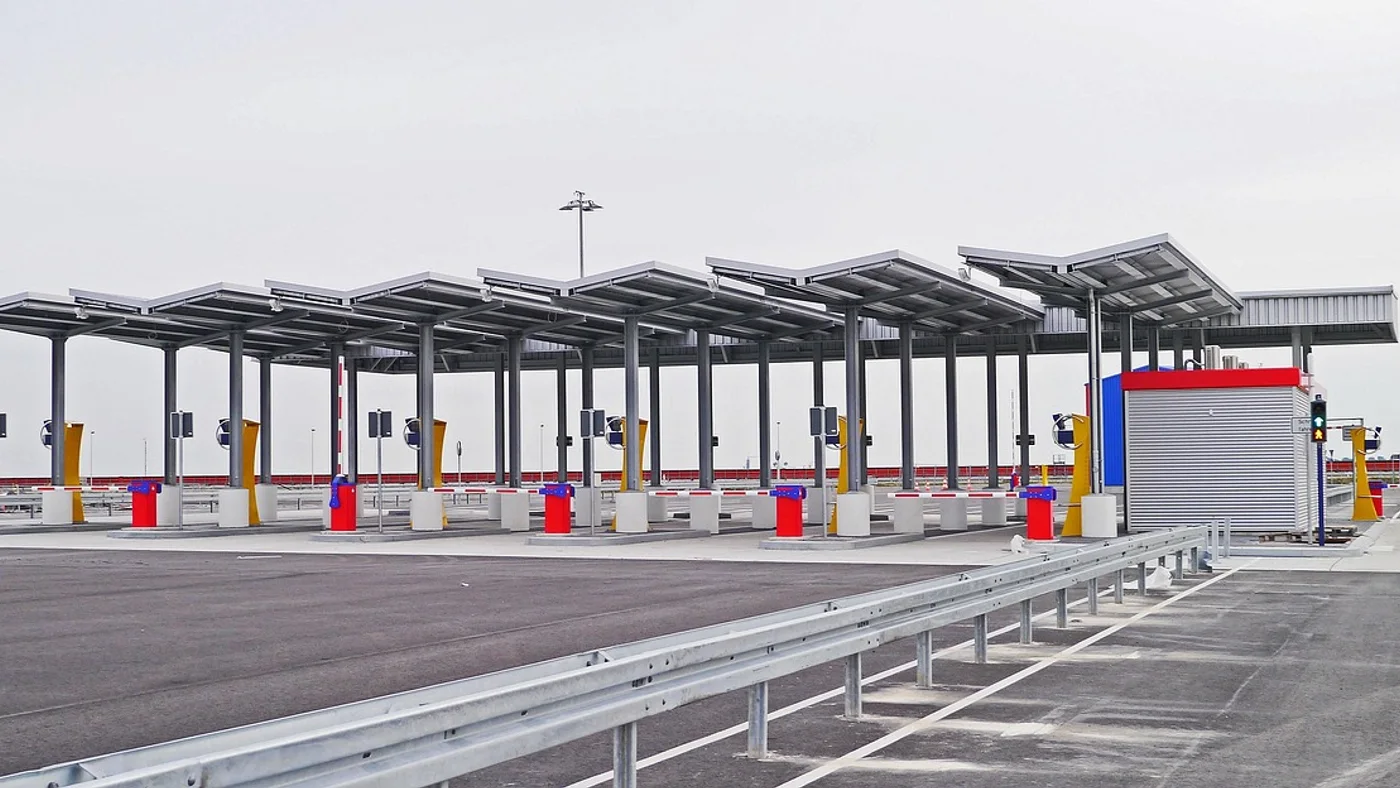
Then write down the seal number exactly as it appears and compare it with the number on the bill of lading and the delivery order. There are three possible findings and they are not equivalent. The seal is broken and the number matches: the seal was compromised in transit. The seal is intact but the number differs: a different seal was applied, which points to a terminal or carrier re-seal that should be documented. The seal is missing: the container has been opened by someone, and the carrier’s custody record is the only way to narrow when.
Who to call, in what order
Call the carrier or its destination agent first, because under carrier haulage the container is still in its custody until delivery is accepted, and the section on haulage below explains when a different party holds it. Call your cargo insurer or broker second, because most policies require notice of a potential loss promptly and a delay in notice is a defense insurers use. Call the surveyor third, and do not move the container to your warehouse until the survey has been arranged or the carrier has authorized the move in writing.
If the driver is still on site, keep them there and note their name, the truck plate and the time of arrival. The driver’s statement that the seal was already broken when the container was collected from the terminal is a material fact, and it is the kind of fact that disappears once the driver leaves. Ask the driver to wait for the carrier’s instruction rather than signing a clean delivery receipt. If the driver cannot stay, record the plate and the time, and photograph the truck and the container together so the handover is placed at a specific moment.
What not to sign
The delivery receipt is the document that decides container disputes, and a clean signature is expensive to undo. Sign with a notation that states the seal condition, the seal number found, the time and the fact that the container has not been opened. If the driver will not wait, sign with the container “received subject to survey” and confirm the notation by email the same day.
A signature without a notation is treated as acceptance that the container arrived in the condition described in the documents. Under the U.S. Carriage of Goods by Sea Act, taking delivery without written notice makes that clean receipt prima facie evidence of delivery as described, and non-apparent loss allows three days from delivery to give notice, as 46 U.S.C. § 30701 sets out. Nothing you write afterwards changes the document, and the carrier’s claims team will lead with it, which is why the notation rather than the argument is what protects you. The notation is not an accusation; it is a record, and a carrier that has nothing to hide will not object to it.
What the seal number is actually for
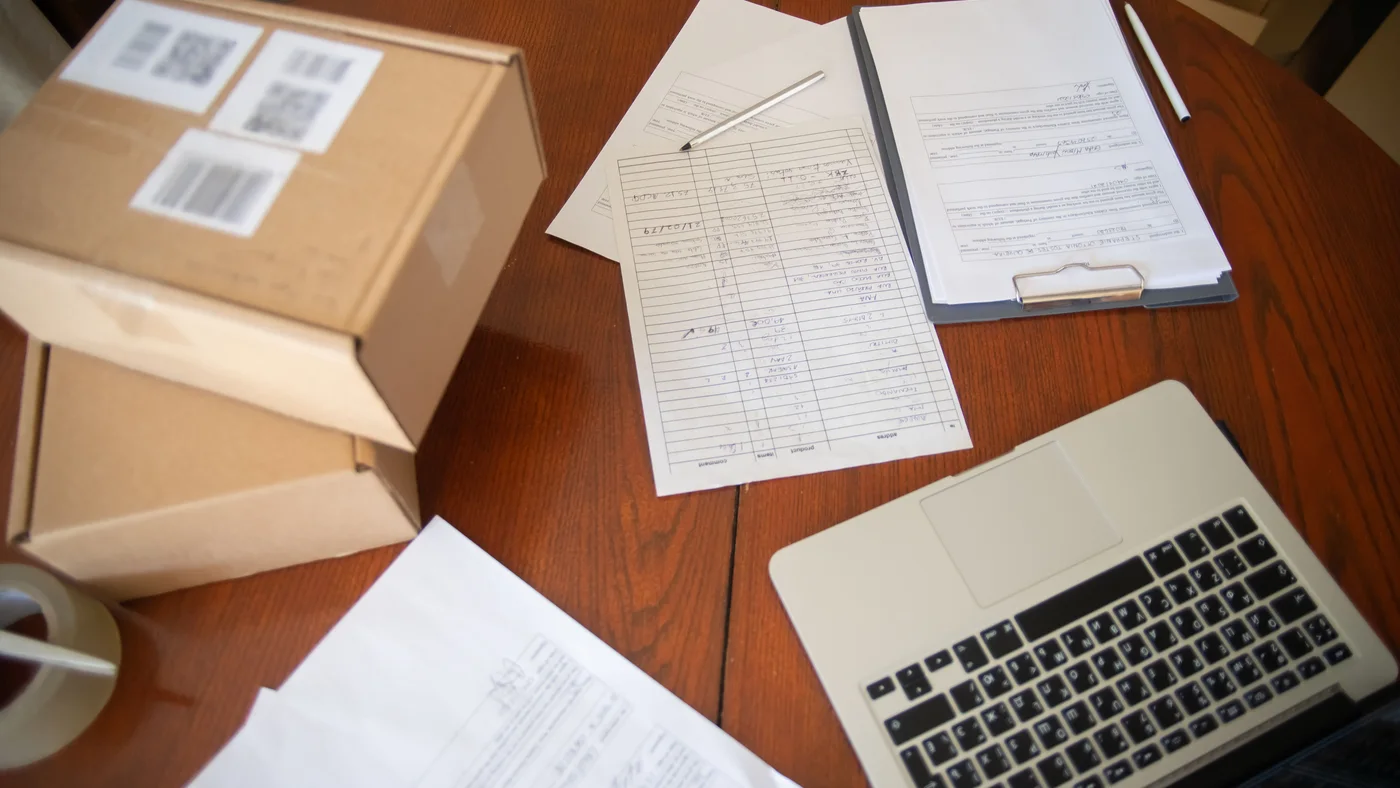
A seal number is a serial that the carrier records when the container is closed, and it is written onto the bill of lading so that the receiving party can verify the container is the one that was loaded. Its purpose is not to stop a determined thief; a seal can be cut and replaced in minutes. Its purpose is to establish a documented continuity, so that any break in that continuity can be located in time and attributed to a party.
That framing changes how you use it. A matching number does not prove the cargo was untouched, and a broken seal does not prove theft. Both are data points about custody, and their value is in narrowing the window in which something happened. If you treat the seal as a security device you expect it to prevent loss; if you treat it as a record you keep the evidence that a loss happened in transit rather than in your warehouse.
The three seal findings and what each implies
What each finding does to the burden of proof is the part that matters later. A matching number makes any shortage a count-at-loading claim, which turns on the tally at origin. A different number asks who re-sealed the container and why, which turns on the carrier’s inspection record. A broken or missing seal puts the question to the carrier’s custody record, and that record is the only tool for narrowing when the container was opened.
When the container has already been opened
If the container was opened before anyone noticed the seal, the position is weaker but not hopeless. Stop handling immediately, photograph the interior as it stands, and keep every carton in place until the surveyor arrives. Record who opened it, when, and what was moved, because a documented sequence is better than an unexplained disturbance.
Then reconstruct what can still be proved. The carrier’s terminal records, the gate-in and gate-out times, the seal number applied at origin and any re-seal record will show whether the container was opened in transit or after arrival. That reconstruction is the surveyor’s work, and it is more likely to succeed if the interior has not been reorganized in the meantime.
When the terminal is the one that broke it
A container can be opened before it ever reaches your door, at a terminal inspection, a customs exam or a security check, and the seal is then replaced with a different one. In that case the breach is documented somewhere in the carrier’s system, and the shipper’s job is to find the record rather than to build a claim. The acceptance of a re-seal is a normal event, and treating it as a loss wastes a survey fee.
The distinguishing question is whether the goods inside match the documents. A re-sealed container whose contents are complete and undamaged has no claim; a re-sealed container with missing cartons has one, and the re-seal record tells you which examination window to look at. Ask the carrier for the inspection record before you ask your insurer to appoint anyone.
Who is holding the container when it arrives
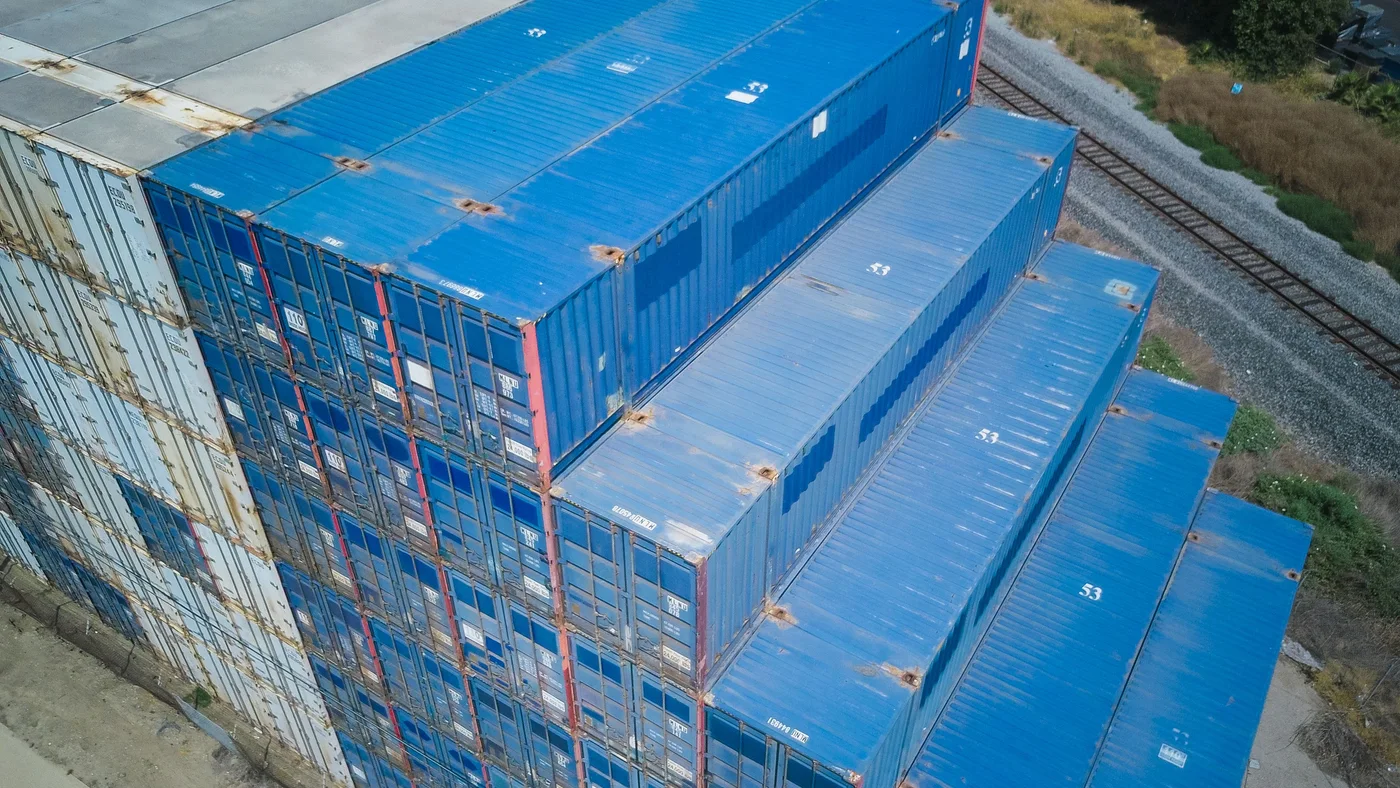
The call order depends on who moved the box inland, and there are two arrangements. Under carrier haulage the ocean carrier arranges the inland leg and delivers to your door, so the container is still in its custody when it arrives and the carrier’s destination agent is the first call. Under merchant haulage your own trucker collects the container at the terminal gate, the ocean carrier’s custody ends at that gate, and the first call is the terminal or the inland carrier whose driver delivered it.
Ask which arrangement applies before the shipment sails, because it decides who the paperwork holds responsible for the seal. On merchant haulage the gate-out record is the carrier’s last word, and any later seal damage belongs to the inland leg, whose own waybill and seal note become the documents to chase. Assuming carrier haulage and calling the wrong party loses the hours when the container is still untouched.
What the claim needs once the survey is done
The file is short and specific: the bill of lading with the original seal number, the photographs taken before opening, the notation on the delivery receipt, the carrier’s re-seal or inspection record if one exists, the survey report, and an itemized statement of what was lost or damaged with values. Send it to the carrier and to the insurer, because the two claims run on different rules and one does not substitute for the other.
Keep the physical evidence until both claims close. Damaged cartons, the broken seal and the packaging are what a surveyor uses if the claim is disputed, and they are routinely thrown away by warehouse staff who are trying to tidy up. Our guide to layabiliti ti ngbe ati iṣeduro ẹru explains why the two claims diverge, and our warehouse page covers the receiving side.
Preventing the next one
Seal breaches surface at destination, after the transshipment handover where the number could have been verified. Ask your forwarder whether the seal number is verified at each handover, and whether the verification is recorded. A forwarder that can show a seal check at origin, at the transshipment terminal and at destination arrival gives you a chain rather than a single data point, and a chain is what narrows the window when something goes wrong.
High-value cargo justifies a container security device in addition to the carrier’s seal, and some insurers require one above a stated value. That is a commercial decision, but it is worth making before the shipment rather than after a breach, because a device that records an opening time turns an unanswerable question into a dated one.
Photograph It Before You Cut It
The whole discipline fits in one sentence: the container’s condition is evidence until you change it, and every action you take either preserves that evidence or destroys it. Photographs, the seal number, the driver’s presence and a noted receipt cost an hour; a claim without them costs the shipment.
Before the next container is opened, confirm four things: the seal number matches the bill of lading, the photographs include the container number, the delivery receipt carries a notation, and the carrier and insurer have been notified. If any of the four is missing, stop and fix it before the doors open.