

low moq shipping china is the first checkpoint buyers should lock before they approve a supplier, budget, or production slot. You finally found a supplier on Alibaba willing to take an order of 200 units instead of 1,000. The unit price looks good. You confirm the sample approval. Then the freight quote comes back: $500 for LCL shipping, minimum 1 CBM. That low MOQ shipping China deal you thought you had just evaporated. The per-unit landed cost jumped by 40% in one email.
Most freight forwarders won’t touch cargo under 1 CBM or 500 kg. They inflate rates, add consolidation fees, or tell you to ship by air at 5x the cost. But there’s a workaround that cuts those figures by 30–50% — buyer consolidation. A forwarder that runs weekly consolidation schedules from ports like Qingdao, Shanghai, or Shenzhen can drop the effective minimum to 0.1 CBM and split the container cost across multiple buyers. That $500 quote becomes $80. The trick is knowing which forwarders offer it, and how to pack for a shared container without damage. If you skip that step, you either overpay for direct LCL or abandon the order entirely.
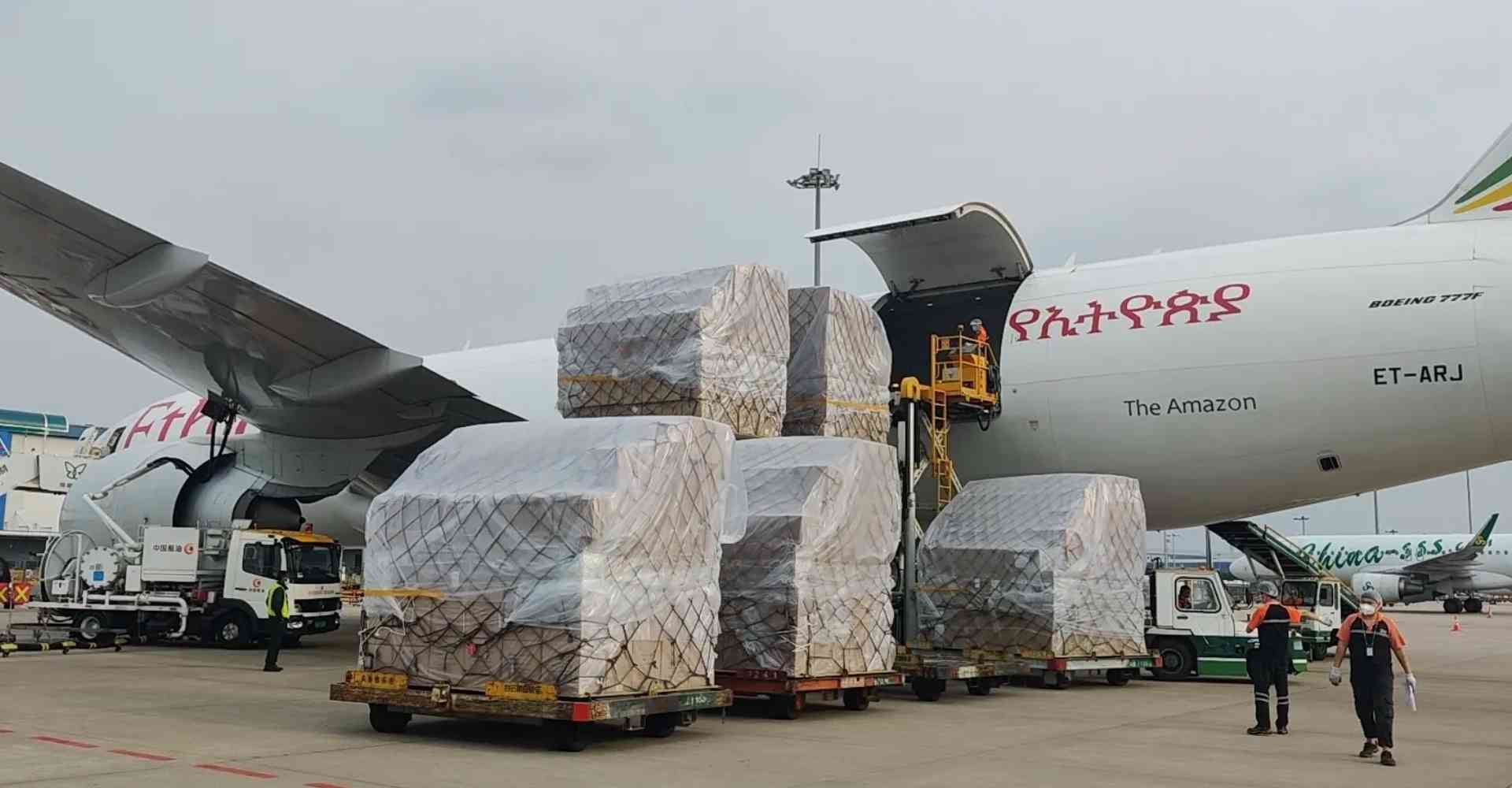
What Is Low MOQ Shipping and Why Does It Matter?
Low MOQ shipping means volumes under 1 CBM — most forwarders don’t want your small order.
In freight forwarding, a ‘low MOQ’ shipment is anything under 1 cubic meter or 500 kg. Most forwarders quote those orders at inflated rates because they prioritize full containers. That $80–$150 per CBM you see advertised? That’s for a full 15–20 CBM container. For a 0.5 CBM box, you’ll often get a flat minimum charge that makes the per-unit cost 3–4x higher — or they refuse to quote entirely.
Here’s the real pain point: You finally negotiate a factory MOQ of 200 units on Alibaba. The product price looks good. Then the forwarder quotes $500+ for shipping. That kills your margin before the first sale. The frustration is real — and it’s completely avoidable if you know how consolidation works.
- First‑time importers: Testing a new product with small quantities. They need to keep landed cost low before committing to larger volumes. Direct LCL at 1 CBM minimum forces them to buy too much inventory upfront.
- Amazon FBA sellers: Launching new SKUs with low initial order quantities. They typically ship 0.5–1 CBM per SKU. Without consolidation, they pay premium rates for LCL or resort to air freight that eats into margin.
- Small retailers replenishing niche stock: Often need 100–300 kg of specific items. Standard LCL minimums and handling fees make these shipments uneconomical. Buyer consolidation drops the effective minimum to 0.1 CBM and cuts shipping cost by 30–50%.

LCL Shipping: The Go-To Solution for Small Orders
Most LCL forwarders require 1 CBM minimum, but consolidation drops that to 0.1 CBM.
LCL (Less than Container Load) works by consolidating cargo from multiple shippers into a shared container. The standard minimum volume from most forwarders is 1 CBM or 500 kg, with sea freight rates ranging $80-$150 per CBM from China to the USA. Transit time is typically 25-35 days. For small orders under 1 CBM, direct LCL can still be expensive because you pay for the minimum space even if you use less.
- Delays from consolidation schedules: Forwarders sail weekly or bi-weekly. If you miss the cutoff, your cargo waits up to two weeks. Choose a forwarder with weekly departures from Qingdao, Shanghai, and Shenzhen to minimize waiting.
- Cargo damage risk: In a shared container, heavy items may crush lighter boxes. Proper packing — double-wall cartons, palletization, and shrink wrap — is essential. Require your freight forwarder to inspect and restack if needed.
- Hidden handling fees: Many forwarders add consolidation fees ($20-$80 per shipment), documentation fees, and terminal handling charges. Always request a full breakdown before booking. Beware of quotes below $80/CBM — they often omit these fees.
- Minimum volume bluff: Some forwarders claim they require 1 CBM but will accept less if you pay a higher rate. A better solution is buyer consolidation, which accepts as little as 0.1 CBM at a fair rate.
For a typical 200 kg / 0.5 CBM shipment from China to the USA, direct LCL costs $300-$500 (25-35 days). By contrast, air freight costs $1,000-$1,600 (5-10 days), and express courier runs $1,600-$2,400 (3-7 days). For this volume, LCL is the clear winner on cost — provided you use a reliable forwarder with consolidation services that avoid the 1 CBM minimum.
Buyer Consolidation: Share Space and Slash Costs
Consolidation drops your effective shipping volume to 0.1 CBM and cuts per-unit freight by 30-50%.
Most freight forwarders won’t quote below 1 CBM because they prioritize full containers. But buyer consolidation changes the game. The forwarder collects small shipments from multiple buyers, loads them into one FCL container, and splits the freight cost proportionally. Your effective minimum volume drops to 0.1 CBM. Consolidation fees run $20-$80 per shipment. The result: your per-kg cost lands between $0.80 and $1.50 — comparable to FCL rates, but for a fraction of the space.
- WanSea’s weekly schedules: We run consolidation departures every week from Qingdao, Shanghai, and Shenzhen to major global ports including Los Angeles, Hamburg, and Tokyo. That means predictable departure dates and no waiting around for a full container.
- 10+ years of handling consolidated cargo: Our team manages the stowage plan, cargo segregation, and documentation so your goods don’t get mixed up or mishandled. You get a single bill of lading and one point of contact.
Consolidation only saves money if your cargo arrives intact. Because your boxes get stacked with other shipments, packaging discipline matters. Use double-wall corrugated cartons, shrink-wrap each box, andpalletizewhenever possible. Mark fragile items clearly. The hard truth is that a $5,000 electronics shipment was turned into scrap because the buyer used single-wall boxes and skipped palletization. The cartons collapsed under the weight of a steel parts shipment stacked on top. Don’t let that be you.
| Feature | Benefit | Cost_Impact | WanSea_Advantage |
|---|---|---|---|
| Minimum Volume | Ship as low as 0.1 CBM | Eliminates typical 1 CBM minimum penalty | Weekly consolidation terminals in Qingdao, Shanghai, Shenzhen |
| Cost Savings | 30-50% cheaper than direct LCL | Per kg drops to $0.80–$1.50 | Transparent consolidation fees ($20–$80 per shipment) |
| Transit Time | 25–35 days door-to-door | Only 3–7 days added for consolidation | Fixed weekly sailing schedules for predictability |
| Packing Standards | Reduces damage risk in shared containers | Avoids hidden repacking costs | Provides double-wall carton & palletization guidelines |
| Trust & Certifications | NVOCC licensed, 10+ years experience | No hidden fees or surprise charges | Direct contracts with COSCO, MSK, and other top carriers |

Air Freight vs Sea Freight for Low Volumes: When to Choose Which
For a 30 kg shipment to the US, LCL consolidation costs $40–$80 vs air at $90–$160.
Most small buyers default to air freight when they see ocean freight minimums. That’s often a mistake. The decision hinges on three factors: cargo urgency, volume, and the ratio of product cost to shipping cost. Here’s how to break it down.
- Under 20 kg (samples or test orders): Air freight or express courier wins here. LCL minimum charges (typically $100 or more) make sea uneconomical for tiny shipments. Expect $5–$8 per kg by air, delivered in 3–10 days.
- 50–200 kg (seasonal stock or batch orders): LCL consolidation is the cost king. At $0.80–$1.50 per kg, you pay 4–6x less than air. Transit is 25–35 days—acceptable for non-urgent replenishment. Direct LCL without consolidation runs $1.50–$2.50 per kg, so buyer consolidation saves 30–50%.
- Urgent orders (any weight): If you’re out of stock and losing sales, air freight at $5–$8 per kg or express at $8–$12 per kg may justify the premium. Calculate lost revenue per day vs. shipping cost delta.
- Real rate table for 30 kg shipment to USA (2026 estimates): Air freight: $90–$160, transit 5–10 days. Best for time-sensitive goods. Express (DHL/FedEx): $150–$250, transit 3–7 days. Best for very urgent. LCL consolidation: $40–$80, transit 25–35 days. Best for budget-friendly non-urgent orders.
Rule of thumb: If your product cost is lower than the shipping cost, you need consolidation or you’ll kill your margin. If product value exceeds shipping cost by 3x or more, air freight becomes a viable option—especially when inventory risk is high. Many e-commerce importers overpay because they never ask their forwarder about buyer consolidation. That question alone can cut your freight bill in half for orders under 1 CBM.
Conclusion
After you’ve locked in sample approval and FOB pricing, shipping costs become the biggest margin variable for small orders. The data is clear: for volumes under 1 CBM, buyer consolidation drops your effective rate to $0.80–$1.50 per kg — comparable to FCL pricing — while accepting volumes as low as 0.1 CBM. That’s the benchmark to write down and use in your next forwarder conversation: if you’re quoted over $2.50 per kg for a 30 kg shipment, consolidation is likely the better route.
Run the numbers on your next Alibaba or Shopify batch. Compare the consolidation cost against direct LCL or air freight using the rates above. When you’re ready, reach out to WanSea for a no-obligation quote on your specific volume and destination — they handle weekly consolidation from Qingdao, Shanghai, and Shenzhen.
Frequently Asked Questions
What is the minimum volume for LCL shipping from China?
Most forwarders require a minimum of 1 cubic meter, but WanSea’s consolidation service accepts volumes as low as 0.1 CBM. For very small orders under 50 kg, air freight can sometimes be. Check if your forwarder offers consolidation to ship smaller volumes.
Can I ship a single sample from Alibaba via a freight forwarder?
Yes, you can ship a single sample via a freight forwarder using courier or air freight, though courier services (DHL, FedEx) are usually cheaper for under 5 kg. For a single sample. Always get a quote for the sample weight before ordering.
How long does buyer consolidation add to transit time?
Buyer consolidation typically adds 3 to 7 days to the overall transit time, depending on how quickly the consolidator wait for enough cargo to fill a container. This delay is offset. Plan an extra week if you choose consolidation for small shipments.
Is cargo insurance necessary for small LCL shipments?
Yes, cargo insurance is strongly recommended for LCL shipments because small orders are handled multiple times and can get damaged or lost in consolidation. The cost is roughly 0.3–0.5% of. Always insure your shipment; the premium is minimal compared to potential loss.
What documents are needed for low-volume imports from China?
You need a commercial invoice, packing list, bill of lading (or air waybill), and often a certificate of origin for customs clearance. For low-volume shipments, some forwarders also require. Provide these documents at least 48 hours before cargo pickup to avoid delays.


