
Pertences do carro: o que a transportadora e a alfândega precisam

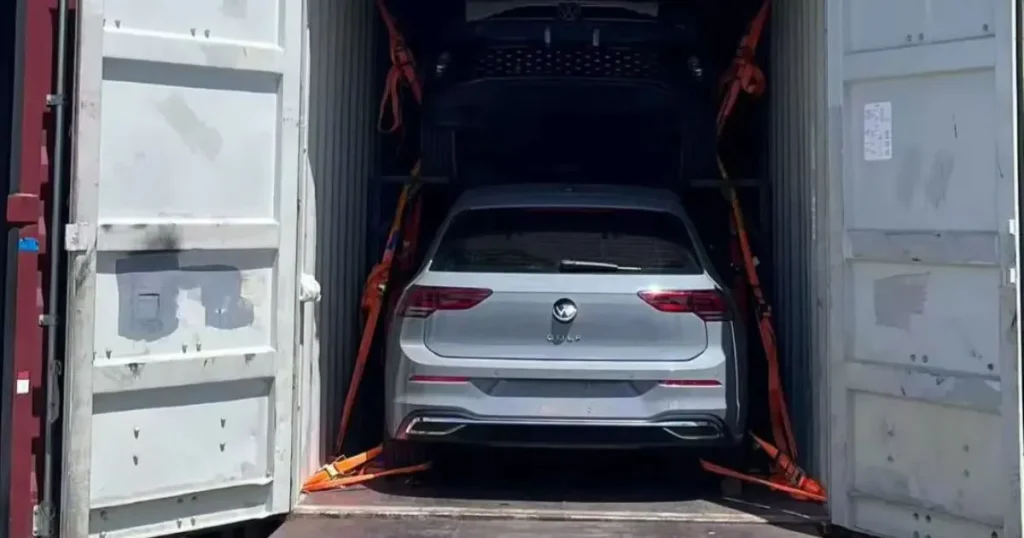
You can ship a car with personal belongings inside, but not under the rules most people find online. Those rules describe domestic auto transport: a suitcase in the trunk, an allowance some US auto transporters advertise at about 100 lb, no valuables. An international container shipment from China is a different problem, because the car […]
Liberação de carga LCL: os cinco documentos que desbloqueiam o CFS

A carga LCL não sai do CFS de destino porque o navio foi descarregado. Ele sai quando cinco portões separados são liberados: a conta da casa é liberada, o aviso de chegada corresponde ao destinatário, os encargos de frete e destino são liquidados, a alfândega libera a entrada e o CFS emite um passe de portão. Um portão perdido […]
Quarenta Caixas: Marítima, Aérea ou Expressa? Execute os custos fixos

Quarenta caixas não é uma decisão de volume. É uma decisão de custo fixo. Nesse tamanho, a diferença entre marítimo, aéreo e expresso raramente é a taxa por metro cúbico ou por quilo; são a cobrança mínima, a taxa de manuseio de origem, a taxa de destino e o custo de tempo que estão no topo. LCL cota uma remessa […]
Máquinas usadas com óleo ainda: podem ser enviadas?

Used machinery with oil still inside can usually ship, but not as ordinary cargo without the right paperwork. The booking question is what is left in the tank, lines, sump and hoses: free-flowing liquid makes the unit a dangerous goods question, while a properly drained and cleaned machine usually moves as general cargo with a […]
Exposição AD/CVD: O Escopo Decide, Não o Código HTS

A garantia do fornecedor de que seu produto é “não sujeito a DA/DCV” is not a customs classification. Antidumping and countervailing duty coverage is decided by the scope language of an order, and only a scope ruling from the Commerce Department settles it. If the entry turns out to be covered, the importer of record carries the […]
Importando produtos de marca? O relógio de 7 dias após a detenção

If US customs detains your shipment because it carries a recorded brand, the deadlines are regulatory, not commercial. Under 19 CFR 133.21, CBP may detain suspect merchandise for up to 30 days from the date it is presented for examination, must notify the importer in writing within five business days of the detention decision, and […]
Cobrado por mais metros cúbicos? Como contestar
Você pode contestar uma cobrança de metro cúbico remedida, mas uma lista de embalagem por si só raramente vence. O Ocean LCL é cobrado no volume reconhecido pela regra de preços, e essa regra está escrita na cotação, na confirmação da reserva, nos termos do despachante e no conhecimento de embarque interno. Então a disputa tem duas questões, nesta […]
EXW ou FOB? A papelada de exportação decide o que é mais barato

EXW não é apenas “você paga o caminhão.” Under Incoterms 2020, Ex Works also hands the export clearance to the buyer, and in China that clearance is the document the export VAT refund is built on: the exporter named on the declaration is the party that claims the refund against the matching VAT invoices. A […]
Avaliação da primeira venda: o arquivo que o CBP espera ver

First sale valuation can lower the duty base when a manufacturer sells to a middleman and the middleman sells to the U.S. importer. You declare the earlier, lower price instead of the middleman’s marked-up price. The rate stays the same; the value it applies to changes. The method is not automatic. The importer must prove […]
Trocar conhecimentos de embarque: a lista de verificação da solicitação antes que a transportadora concorde
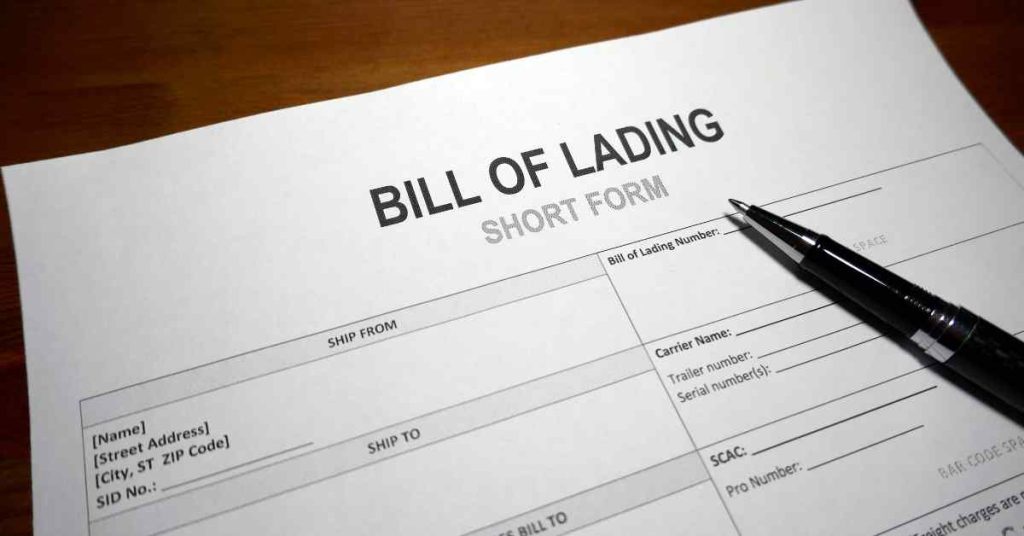
A switch bill of lading is a second set of bills issued to replace the original set for the same cargo and voyage. It is not a correction note and not a copy. Carriers issue it only after the original set is surrendered and cancelled, because two live bills for one container can create competing […]