
Transferência de VGM: quem pesa o contêiner e quem assina

The VGM is not a number the forwarder can guess. Under SOLAS, the shipper named on the bill of lading is responsible for the verified gross mass, even when a trucker, warehouse, or forwarder does the weighing. The container cannot be loaded without a VGM that reaches the carrier and terminal before the cut-off. A […]
A fábrica perdeu o navio: o pacote de recuperação de custos
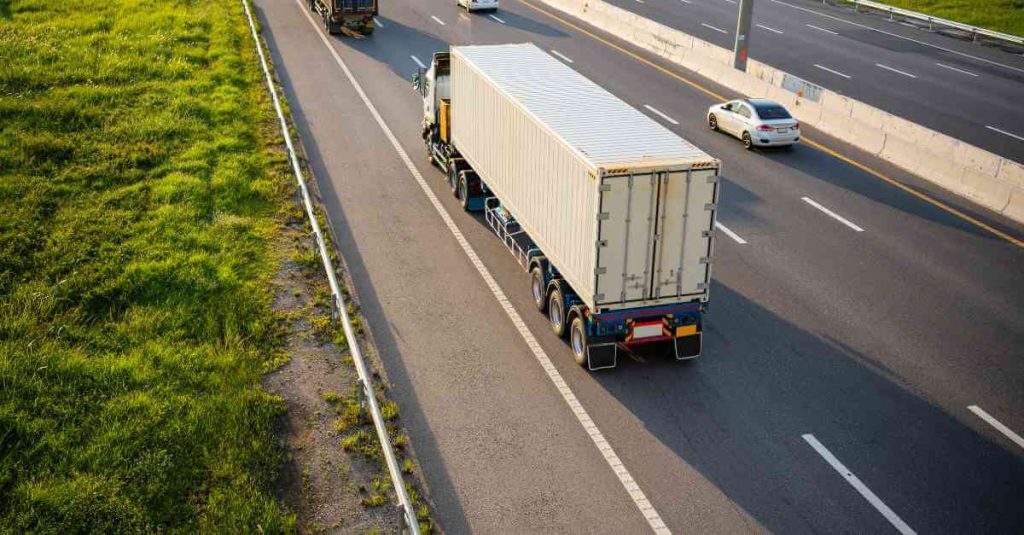
When a factory misses the vessel, the carrier usually bills the party that made the booking, not the factory that caused the delay. That means you may pay storage, rebooking, and equipment charges first, then try to recover them from the supplier. Recovery is not automatic. It depends on what your purchase order says, what […]
Média Geral: Como a Contribuição é Calculada
General average is not a fine and it is not a normal damage claim. It is a shared bill for an extraordinary sacrifice or expense that saved the ship and cargo together. Your contribution is based on the value of the property saved, not on the size of the casualty, and it can be demanded […]
Como verificar um despachante chinês antes de pagar

A low quote is not evidence that a Chinese forwarder can carry your cargo. Before you send a deposit, verify four things: the legal entity behind the brand, the scope of its Chinese freight-forwarding registration, its NVOCC status for the route you are booking, and the party that will issue your bill of lading. Then […]
Três fornecedores, um contêiner: como funcionam a entrada alfandegária e o ISF
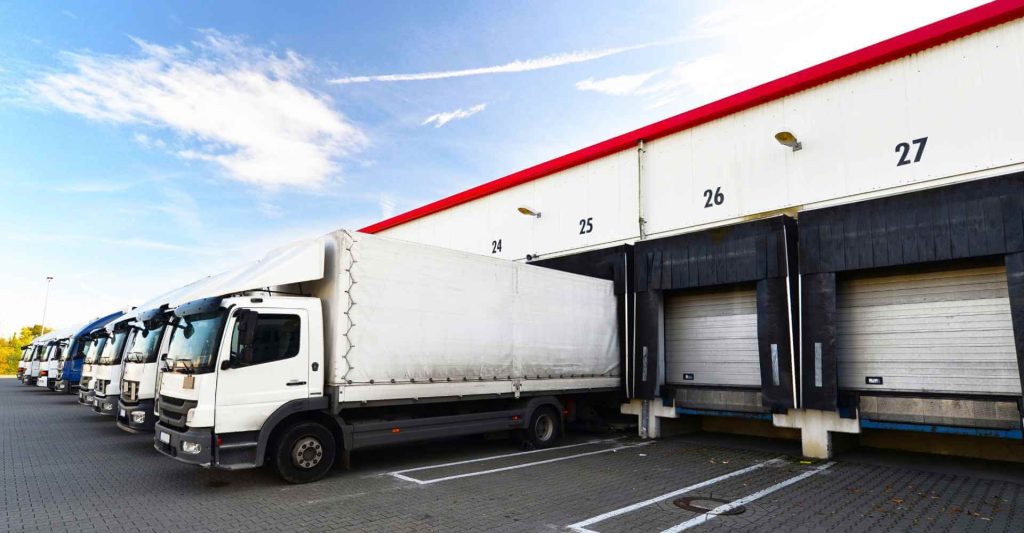
Sim, três fornecedores podem partilhar um contentor. Não, isso não significa que sejam uma única remessa aos olhos da alfândega. Um despachante pode consolidar o frete em uma reserva, um contêiner e um conhecimento de embarque mestre. Seu corretor ainda precisa de uma fatura comercial separada e uma lista de embalagem de cada fornecedor, a classificação HTS de cada produto, […]
Remessa LCL da China: como controlar custos e danos

O transporte LCL da China parece simples em uma cotação: você paga pelo espaço que sua carga ocupa e o despachante preenche o restante do contêiner com a carga de outra pessoa. As complicações são quase todas sobre o que acontece entre a sua fábrica e aquele contêiner consolidado. Suas caixas são manuseadas em um armazém de consolidação, co-carregadas com […]
Responsabilidade da transportadora versus seguro de carga: as regras de reclamação marítima
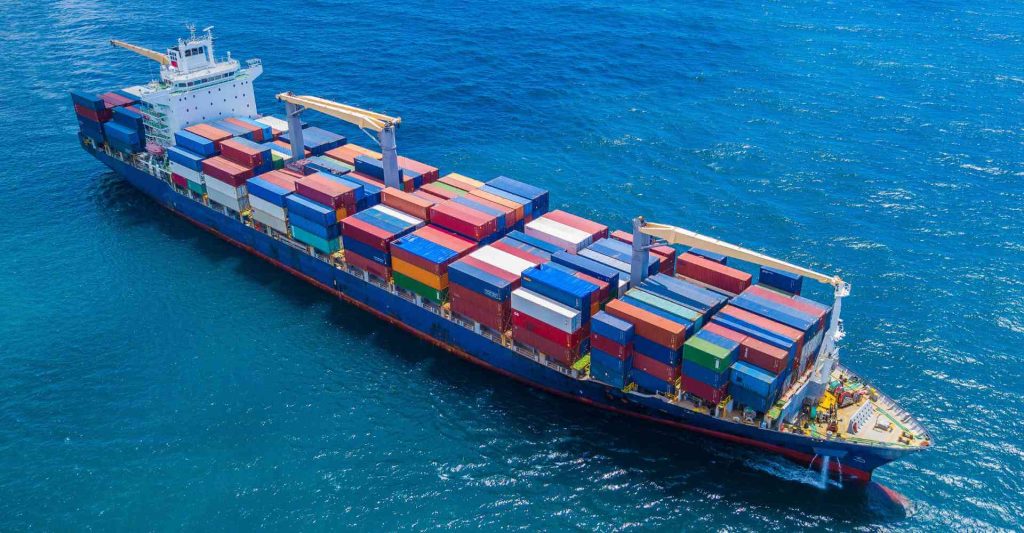
Carrier liability and cargo insurance answer two different questions, and the gap between them is where importers lose money. The carrier’s liability is a legal obligation governed by the bill of lading and, on US trades, by the Carriage of Goods by Sea Act. It is capped, fault-based, and subject to defenses, and for containerized […]
Sobreestadia e detenção: quem realmente paga e como combater a conta
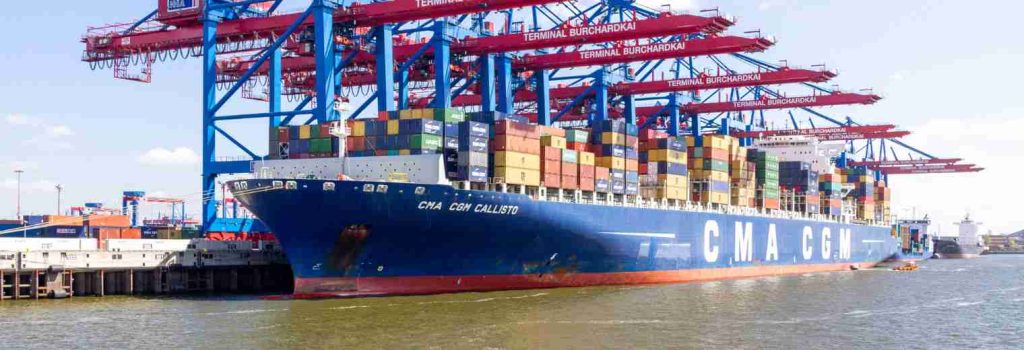
A container stuck at the port is not just a growing bill; it is a bill you may be able to challenge. Demurrage applies while a full container sits inside the marine terminal, and detention applies while the carrier’s container is outside the terminal, from gate-out until the empty is returned. The models and generic […]
O fornecedor forneceu o código HS errado? Conserte antes da alfândega
Your supplier’s HS code is a starting point, not a legal shield. In the United States, the European Union, the United Kingdom, and most other markets, the importer of record carries the legal duty to declare the correct tariff classification, even when the code came from the factory or a customs broker. The model answers […]
Como escolher um despachante de mercadorias perigosas na China

O despachante de mercadorias perigosas da China é o primeiro ponto de verificação que os compradores devem bloquear antes de aprovar um fornecedor, orçamento ou slot de produção. Esta é a realidade de escolher um despachante de mercadorias perigosas na China. O Código IMDG e o IATA DGR definem a estrutura regulatória, mas o risco operacional real reside nas camadas entre vocês […]