

ddp shipping vs door to යනු සැපයුම්කරුවෙකු, අයවැයක් හෝ නිෂ්පාදන තලයක් අනුමත කිරීමට පෙර ගැනුම්කරුවන් අගුලු දැමිය යුතු පළමු මුරපොලයි. සිල්ලර සැපයුම් කළමනාකරුවෙකු වරක් ෂැංහයි සිට බර්මින්හැම් දක්වා සෘතුමය ඇඟලුම් ඒකක 2,400 ක් සඳහා ගෙයින් ගෙට නැව්ගත කිරීම අනුමත කළේය. භාණ්ඩ ප්රවාහන පිරිවැය නිවැරදිව පෙනුණි, සංක්රමණ කාලය පිළිගත හැකි විය, සහ සැපයුම්කරු ගබඩාවට බෙදා හැරීම තහවුරු කළේය. එවිට රේගු බිල්පත වෙන වෙනම පැමිණියේය - කිසිවෙකු සලකුණු නොකළ තීරුබදු සහ වැට් බද්ද පවුම් 3,200 කි. DDP නැව්ගත කිරීම එදිරිව ගෙයින් ගෙට යැවීම අතර ඇති වෙනස එයයි: එකක් උද්ධෘතයේ සම්පූර්ණ බදු වගකීම ඇතුළත් වේ, අනෙක එය පුදුමයට පත් කරයි.
The confusion is understandable because most carriers market both options under a single banner of convenience. But when you are managing retail inventory cycles with tight margins, knowing who pays customs in ගෙයින් ගෙට නැව්ගත කිරීම matters more than most buyers realize. Over 60% of e-commerce importers now prefer DDP specifically to avoid those post-arrival shocks, according to recent trade data from major China outbound lanes.
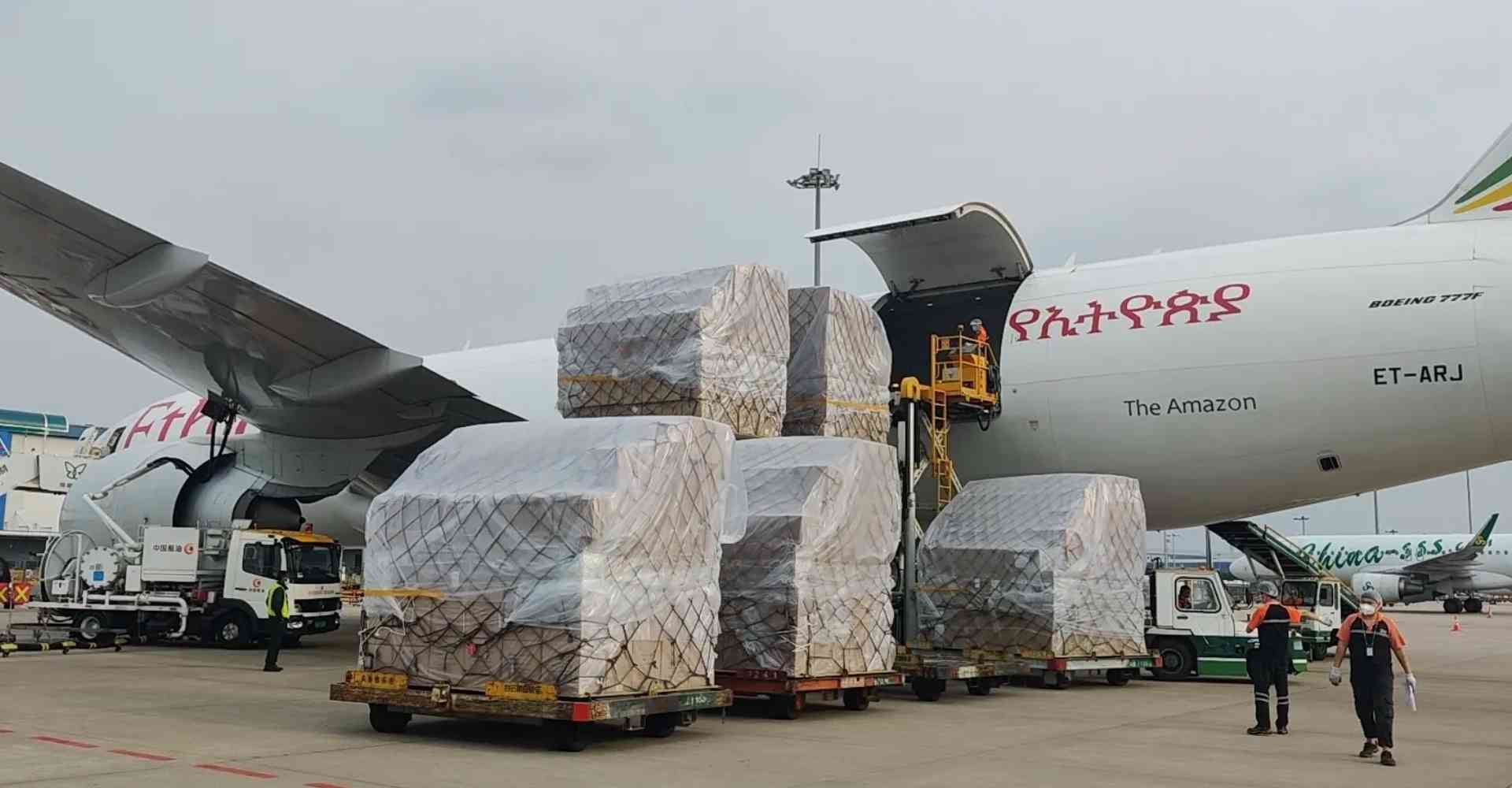
What Is Door to Door Shipping?
DDP is a subset of door-to-door, but not all door-to-door includes duties and taxes.
Most buyers use ‘door to door’ and ‘DDP’ as if they mean the same thing. They don’t. Door-to-door shipping means the carrier takes full logistics responsibility from the supplier’s warehouse in China to your receiving dock — that includes pickup, export customs, ocean or air freight, import customs, and final delivery. What it does NOT automatically include is payment of import duties and taxes. DDP (Delivered Duty Paid) is a specific Incoterms rule where the seller bears all costs and risks, including duties and taxes, until the goods are delivered to the buyer’s named place.
- Door-to-Door (without DDP): Carrier manages transport end-to-end. Buyer pays import duties, VAT, customs broker fees separately. Total cost unknown until customs clears.
- DDP (බෙදා හැරිය යුතු තීරුබදු ගෙවා): Carrier handles everything — transport plus duty/tax payment. Buyer receives a single all-in price. No surprise charges at destination.
- “Choose Door-to-Door (without DDP)” if: “You have your own customs broker in the destination country; you want visibility into every line item cost; your shipment value exceeds $50K where duty self-filing saves 1–2%.”.
- “Choose DDP” if: “You need one predictable landed cost per unit; you ship high-volume low-margin SKUs where a $500 customs surprise kills profitability; you are new to importing from China.”.
The practical difference hits your P&L directly. With standard door-to-door for a $30,000 shipment of retail electronics from Shenzhen to Los Angeles, you might face an additional $3,000–$6,000 in duties and brokerage fees after the cargo arrives — fees you did not budget for when placing the PO. With DDP shipping from China DDP included, that landed cost is locked in before production starts.
For retail logistics managers running seasonal inventory programs with tight margin targets, this predictability matters more than control over customs brokers. For e-commerce importers using Amazon FBA or Shopify fulfillment centers who cannot afford a container sitting at customs because of a missing tariff code declaration, DDP removes that operational risk entirely.
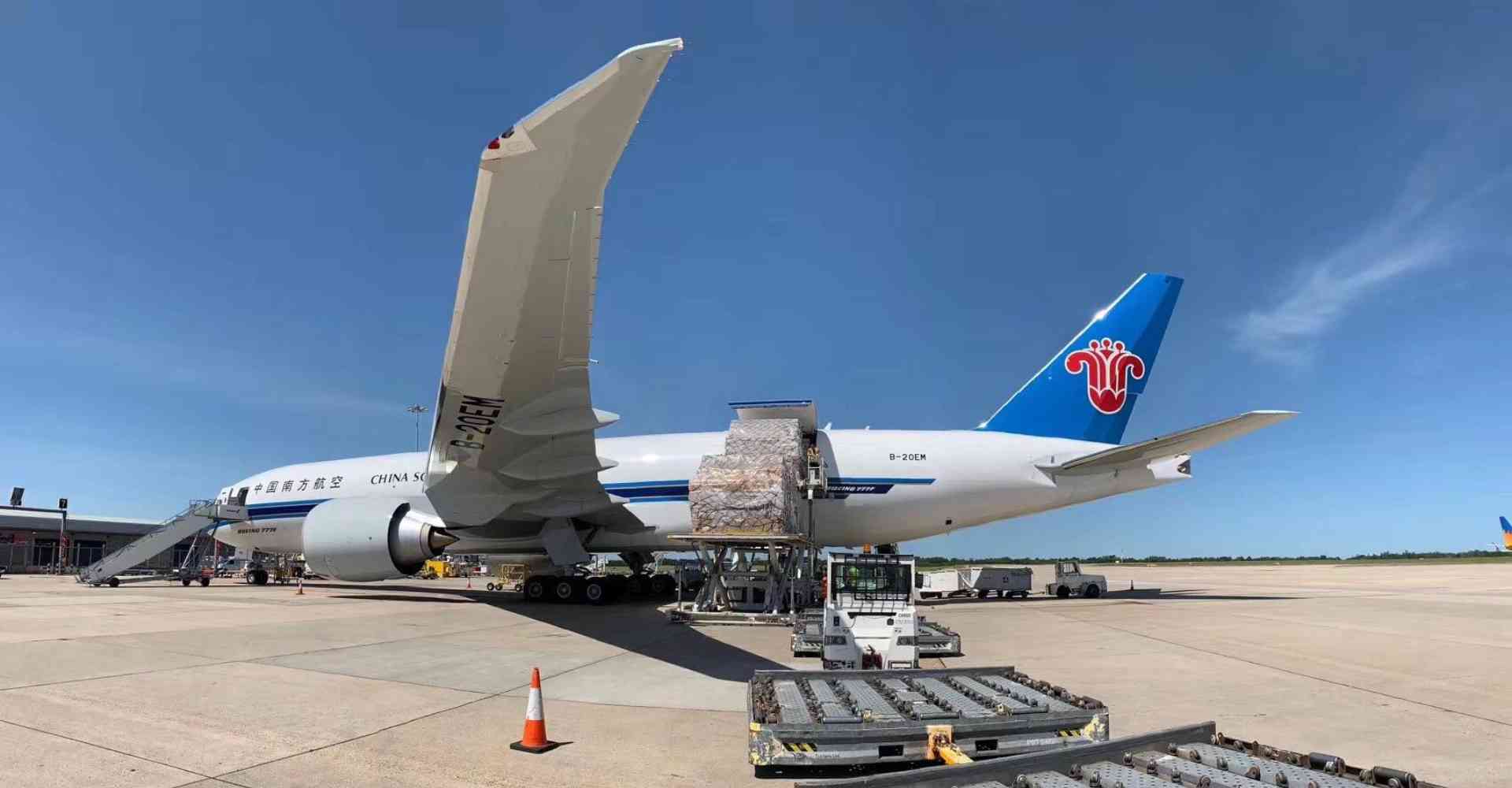
What Is DDP Shipping?
DDP is door-to-door plus duties and taxes — the seller bears all risk until delivery.
Delivered Duty Paid (DDP) is the highest level of service under Incoterms 2020. Under DDP, the seller assumes responsibility for every leg of the journey: export customs clearance at origin, main carriage by sea or air, import customs clearance at destination, payment of all duties and taxes, and final delivery to the buyer’s named address. For a retail logistics manager importing from China, DDP means one single point of contact and zero customs paperwork on your side.
Here is where most buyers get tripped up: DDP is technically a subset of door-to-door shipping, but not all door-to-door quotes include duties and taxes. A standard door-to-door (often quoted as DAP — Delivered at Place) covers transportation and delivery but leaves import duty, VAT/GST, and customs brokerage for the buyer to handle separately. With DDP, those costs are baked into the freight quote upfront. Over 60% of e-commerce importers now prefer DDP specifically to avoid surprise customs bills that can run 12–25% of cargo value depending on the destination country.
- Duty payment responsibility: DDP: Seller pays all import duties, taxes (VAT/GST), and customs broker fees. Standard door-to-door (DAP): Buyer pays these costs separately at destination.
- Customs clearance liability: DDP: Seller’s forwarder handles import customs clearance using buyer-provided documentation. Standard door-to-door: Buyer must appoint their own customs broker or agent.
- Freight cost inclusion: DDP: Single all-in price covering ocean/air freight, inland trucking in China and destination country, insurance up to 110% of cargo value, duties/taxes. Standard door-to-door: Quote covers transport only; duties/taxes are billed separately after arrival.
“Door to door shipping from China DDP included” යනු සාමාන්ය සෙවුම් වාක්ය ඛණ්ඩයකි, මන්ද ආනයනකරුවන්ට මෙය හරියටම අවශ්ය වේ: සැඟවුණු ගාස්තු නොමැතිව පුරෝකථනය කළ හැකි ගොඩබෑමේ පිරිවැයක්. වෙළඳාම යනු පාලනයයි - DDP යටතේ ඔබ ඔබේ සැපයුම්කරු රේගු නිෂ්කාශනය සඳහා කොපමණ මුදලක් ගෙවා ඇත්ද යන්න පිළිබඳ දෘශ්යතාව භාර දෙයි. ඔබගේ ගමනාන්ත රට තුළ දැනටමත් රේගු බැඳුම්කරයක් ඇති අභ්යන්තර සැපයුම් කණ්ඩායමක් හරහා ඔබේ මෙහෙයුම ඉහළ පරිමාණයේ සිල්ලර නැව්ගත කිරීම් කළමනාකරණය කරන්නේ නම්, ඔබේම තැරැව්කරු සමඟ සම්මත ගෙයින් ගෙට ගොස් තීරු බදු සහ තැරැව්කාර ගාස්තු පිළිබඳ වඩා හොඳ රේඛීය අයිතම විනිවිදභාවයක් ලබා දේ.
බැලූ බැල්මට ප්රධාන වෙනස්කම්
DDP is a subset of door-to-door, but not all door-to-door includes duties and taxes.
Most buyers treat these terms as interchangeable. They’re not. The difference comes down to who carries the financial risk at customs clearance and whether freight charges include duty prepayment. Here’s how they break down for a retail logistics manager comparing quotes.
- Duty payment responsibility: Door-to-door: Buyer pays import duties and taxes separately — either directly to customs or reimburses the forwarder after clearance. DDP: Seller (or their forwarder) includes all duties, taxes, and VAT in the quoted price. No surprise bills after arrival.
- Customs clearance liability: Door-to-door: Buyer retains control over the customs broker and entry filing. Useful if you have an existing broker relationship or ship goods with complex tariff classifications. DDP: Seller’s forwarder handles clearance end-to-end. Faster for standard consumer goods, but you lose visibility into classification decisions.
- Freight cost inclusion: Door-to-door: Quote covers ocean/air freight, trucking to warehouse, and delivery — but excludes duties, taxes, and often port handling fees. DDP: One all-in number covering everything from factory gate to final delivery dock. No line-item surprises.
When to Choose Door to Door vs DDP
Let volume and duty visibility decide — not convenience.
The choice between door-to-door and DDP depends on your shipment size, frequency, and tolerance for customs risk. For small e-commerce orders under $5,000 in value, DDP is the clear winner — over 60% of e-commerce importers prefer it to avoid customs surprises. The difference in DDP vs door to door cost can be significant, but for small volumes, the simplicity of a single all-in price outweighs the savings you might get by managing customs yourself. For high-volume retail shipments over $50,000, however, handing customs control to your own broker can reduce total landed costs by 8–12%. That’s why many experienced importers ask: who pays customs in door to door shipping? The answer determines whether you hold the duty risk or your supplier does.
- Duty Payment: DDP: supplier pays duties and taxes, quoted in one price. Door-to-door: buyer pays separately, giving you visibility into actual duty line items.
- රේගු නිශ්කාෂණය: DDP: යොමු කරන්නා හෝ සැපයුම්කරු තැරැව්කරු තෝරා ගනී. ගෙයින් ගෙට: ඔබ තැරැව්කරු තෝරන්න, ඔබට අනුපාත ගිවිසුමක් තිබේ නම් හෝ නිශ්චිත අනුකූලතා ක්රියාවලියකට කැමති නම් වැදගත් වේ.
- මිල විනිවිදභාවය: DDP: සැපයුම්කරුවන් අතර සංසන්දනය කිරීම පහසුය, නමුත් තීරුබදු ආන්තිකය සඟවයි. ගෙයින් ගෙට: භාණ්ඩ ප්රවාහන සහ තීරුබදු අයිතම, නමුත් විගණනය සඳහා වැඩි උත්සාහයක් අවශ්ය වේ.
- හොඳම දේ සඳහා: DDP: FBA නැවත පිරවීම, නියැදි ඇණවුම්, අඩු පරිමා SKUs, හෝ පළමු වරට ආනයනය කරන්නන්. ගෙයින් ගෙට: සම්පූර්ණ බහාලුම්, සාමාන්ය විශාල නැව්ගත කිරීම්, DDP ප්රශස්ත කිරීමට අවශ්ය ස්ථාපිත ආනයනකරුවන්ට එදිරිව ගෙයින් ගෙට DAP වෙළඳාම්.
- නම් DDP තෝරන්න: you are importing less than 1 CBM per month, need predictable landed costs, and want to avoid customs filings. The door to door shipping from China DDP included model works well for businesses that prioritize speed of decision over duty optimization.
- Choose door-to-door with own broker if: you are importing 20-foot containers monthly, have a relationship with a customs broker, and need to manage duty classification or valuation. This gives you control over the customs process and can reduce the DDP shipping cost vs door to door rates gap when volumes are high.
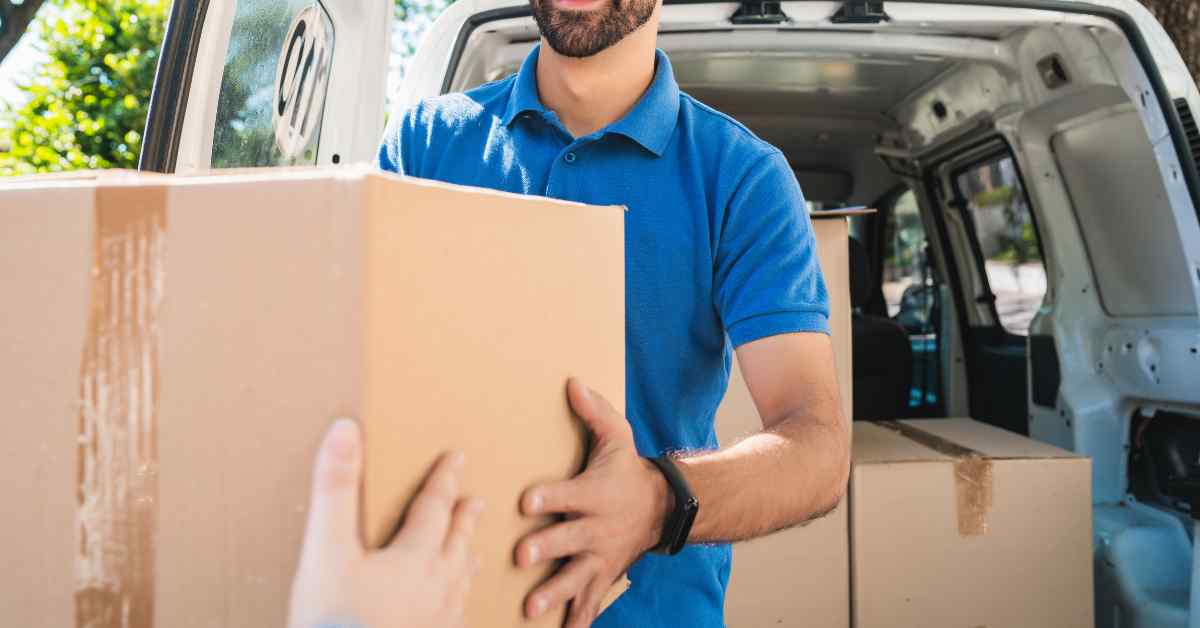
How WanSeaChina Offers Both Options
DDP is door-to-door with duties paid.
බොහෝ භාණ්ඩ ප්රවාහනය කරන්නන් තනි පේළි අයිතමයක් ලෙස ගෙයින් ගෙට විකුණන අතර ඔබට උපකල්පනය කිරීමට ඉඩ දෙයි රේගු නිශ්කාෂණය සහ තීරුබදු ගෙවීම ඇතුළත් වේ. නැව්ගත කිරීමක් ගොඩබසින විට සහ තැරැව්කරු විසින් නොගෙවූ ගාස්තුවක් හෝ අතුරුදහන් වූ ලියකියවිලි සලකුණු කරන විට එම උපකල්පනය ආනයනකරුවන්ට දහස් ගණනක් වැය වේ. WanSea පැහැදිලිවම දෙක වෙන් කරයි, එබැවින් ඔබ මිලදී ගන්නා දේ හරියටම දැන ගන්න.
- සම්මත ගෙයින් ගෙට (DAP): WanSea පිකප්, අපනයන රේගු, ප්රධාන කරත්තය සහ ඔබේ දොරට බෙදා හැරීම හසුරුවයි. ගමනාන්ත රට තුළ ආනයන තීරුබදු, බදු සහ රේගු නිෂ්කාශනය සඳහා ඔබ (ගැනුම්කරු) වගකිව යුතුය. මෙය ඔබට නිෂ්කාශන ක්රියාවලිය පිළිබඳ පූර්ණ පාලනය සහ සත්ය තීරුබදු පිරිවැය වෙත දෘශ්යතාව ලබා දෙයි - සිල්ලර ප්රවාහන කළමනාකරුවන්ට ඒකකයකට ගොඩබෑමේ පිරිවැය නිරීක්ෂණය කිරීම සඳහා ඉතා වැදගත් වේ.
- DDP (බෙදා හැරිය යුතු තීරුබදු ගෙවා): WanSea ආනයන රේගු නිෂ්කාශනය, තීරුබදු ගෙවීම සහ ගමනාන්තයේ බදු පියවීම ඇතුළු සියල්ල කළමනාකරණය කරයි. ඔබට දේශසීමාවේ දී විස්මිත ගාස්තු නොමැතිව තනි සියලු මිලක් ලැබේ. ඊ-වාණිජ්යය ආනයනකරුවන්ගෙන් 60%කට වැඩි ප්රමාණයක් අනපේක්ෂිත ලෙස වළක්වා ගැනීම සඳහා විශේෂයෙන් DDP තෝරා ගනී රේගු රඳවා තබා ගනී ඒ ප්රමාදය ඇමසන් FBA or retail shelf restocking.
- Choose Standard Door-to-Door if: You have an established customs broker at destination; your product has stable HS code classification; you want separate invoices for freight vs duties; or you ship high-value containers where duty amounts justify internal review.
- නම් DDP තෝරන්න: You are new to importing from China; your shipment value is under $10,000; you sell on Amazon FBA or retail channels with strict delivery windows; or you want one invoice covering total landed cost.
The practical difference shows up in cash flow and control. With standard door-to-door, you pay duties directly to your local customs broker — that money never passes through WanSea’s hands. With DDP, we pre-fund those duties on your behalf and roll them into the quote. For high-volume retail shipments where duty rates are predictable (e.g., textiles at 12-18% into the US), many logistics managers prefer standard door-to-door to keep visibility on tariff costs. For small e-commerce orders under $5,000 FOB value where a single day of customs delay kills your delivery SLA, DDP is worth the premium.
නිගමනය
ගෙයින් ගෙට සහ DDP නැව්ගත කිරීම අතර වෙනස එක් දෙයකට පැමිණේ: රේගු අවදානම අයිති කාටද. ගෙයින් ගෙට ඔබේ භාණ්ඩ කම්හලේ සිට ඔබේ භාර ගැනීමේ තටාකය වෙත ගෙන එයි. DDP තීරුබදු ගෙවීම සහ නිෂ්කාශන වගකීම එම මිලටම එකතු කරයි. සිල්ලර ලොජිස්ටික් කළමනාකරුවෙකු සඳහා ඒකකයකට ගොඩබෑමේ පිරිවැය නිරීක්ෂණය කිරීම සඳහා, එම වෙනස සෑම විටම වැදගත් වේ.
ඔබ ඔබේ ඊළඟ නැව්ගත කිරීම වෙන්කරවා ගැනීමට පෙර, ඔබේ යොමු කරන්නා සමඟ මෙම කරුණු තුනේ චෙක්පත ධාවනය කරන්න. පළමුව, උපුටා දැක්වීමට ගමනාන්ත රේගු නිෂ්කාශනය සහ තීරුබදු ගෙවීම ඇතුළත් වේද? දෙවනුව, රේගුව නැව්ගත කිරීම රඳවා තබා ගන්නේ නම් කුමක් සිදුවේද - ලේඛන නැවත සකස් කිරීම හසුරුවන්නේ කවුද? තෙවනුව, ඔබට ඇපල් ඇපල් සමඟ සංසන්දනය කළ හැකි වන පරිදි භාණ්ඩ ප්රවාහනය එදිරිව තීරුබදු පිරිවැය පෙන්වන බෙදීමක් ලබා දිය හැකිද? WanSea සම්මත ගෙයින් ගෙට සහ DDP උපුටා දැක්වීම් යන දෙකම සපයන අතර, කැපවීමට පෙර සම්පූර්ණ පිරිවැය ව්යුහය බැලීමට ඔබට ඉඩ සලසයි. වත්මන් මිල ගණන් සමාලෝචනය කරන්න බහාලුම් පිරිවැය පිටුව ඔබගේ ඊළඟ සිල්ලර නැව්ගත කිරීම සඳහා විකල්ප සංසන්දනය කිරීමට.
නිතර අසන ප්රශ්න
චීනයෙන් දොරෙන් දොරට එදිරිව DDP නැව්ගත කිරීම සඳහා මිල කැඳවීමක් ලබා ගන්නේ කෙසේද: ප්රධාන වෙනස්කම්?
නිශ්චිත පිළිතුර නිෂ්පාදන පිරිවිතර, ප්රමාණය සහ ඇණවුම් සැකසුම මත රඳා පවතී. ආරක්ෂිතම ප්රවේශය වන්නේ අවසාන අවශ්යතා පත්රය අගුලු දැමීමෙන් පසුව පමණක් වාණිජ නියමයන් තහවුරු කිරීමයි. ප්රමාණය, නිමාව සහ නැව්ගත කිරීමේ ක්රමය අගුලු දැමීමෙන් පසු ඉදිරි කාලය තහවුරු කළ යුතුය.
මට මුලින්ම සාම්පල ඉල්ලා සිටිය හැකිද?
නිශ්චිත පිළිතුර නිෂ්පාදන පිරිවිතර, ප්රමාණය සහ ඇණවුම් සැකසුම මත රඳා පවතී. ආරක්ෂිතම ප්රවේශය වන්නේ අවසාන අවශ්යතා පත්රය අගුලු දැමීමෙන් පසුව පමණක් වාණිජ නියමයන් තහවුරු කිරීමයි. වත්මන් තොග සහ නැව්ගත කිරීමේ සැලැස්මට එරෙහිව සාම්පල ලබා ගත හැකි බව තහවුරු කළ යුතුය.


