

China and England have been expanding international trade year after year tremendously, and China is also one of England’s largest trading partners. From household appliances, clothing, machinery, and home wares to raw materials, goods are shipped daily from China to England.
Still, การส่งสินค้า from China to England may be intimidating to businessmen, importers, and even consumers themselves because of the different modes, customs requirements, fees, and การส่งสินค้า durations.
This is the definitive guide, Shipping from China to England, that will give you an overview of everything you’d like to know about การส่งสินค้า England to China—whether you’re a first-time importer or a seasoned business seeking to optimize your supply chain.
Finding China–England Shipping Routes
England is a part of the UK and is a large market consumer via imports. China is a manufacturing center of the world and has an incredible number of commodities to sell at reasonable prices. Shipment on time brings the products at low cost in England.
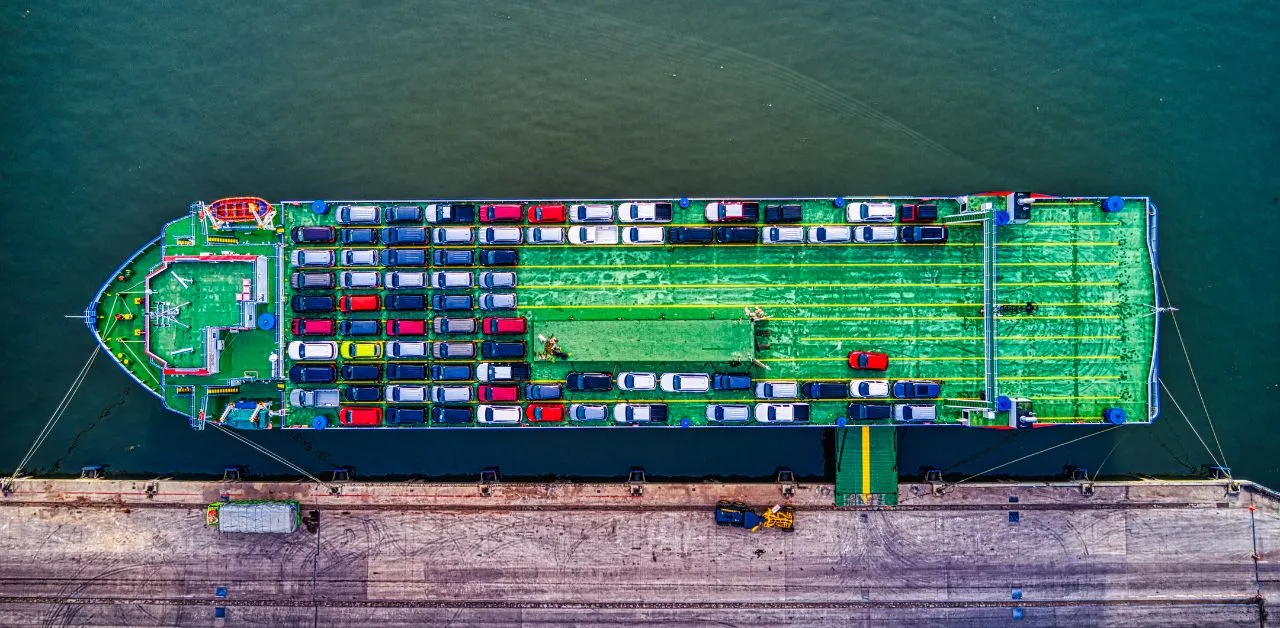
Efficient and timely การส่งสินค้า ensures that these products arrive in England without delays, minimizing storage costs and reducing overall expenses.
Reliable logistics not only guarantees cost savings but also strengthens supply chain efficiency, allowing businesses to maintain inventory levels, meet customer demand, and remain competitive in the dynamic UK market.
The strongest reasons why importers buy from China are:
- Economic production: Production costs are among the cheapest in the world in China.
- Diversified products: From machinery to fashion products, there is a presence from each line of products.
- Established logistics channels: Decades of global trade have created effective shipping routes from China to England.
Main Shipping Modes of China to England
The selection of appropriate การส่งสินค้า mode relies on aspects such as financial resources, product nature, urgency, and quantity of shipment. For small parcels or urgent deliveries, express courier services provide door-to-door convenience.
Understanding the advantages, limitations, and costs associated with each mode enables businesses to plan effectively, avoid delays, and streamline customs clearance.

Proper selection of shipping modes not only ensures efficiency but also strengthens competitiveness in the dynamic UK market.
The following are the main shipping modes employed:
การขนส่งทางทะเล
The most common method is sea shipping for the reason that it’s cost-effective, particularly for big and bulky consignments.
- เอฟซีแอล (Full Container Load): Best if you have bulk quantities and can fill a full container.
- แอลซีแอล (Less than Container Load): Economical for small consignments since several consignments are loaded in a single container.
- Transit time: Usually 30–40 days from major Chinese ports (e.g., Shanghai, Shenzhen, Ningbo) to UK ports (e.g., Felixstowe, Southampton, London Gateway).
- Cost: Generally the lowest cost for bulk commodities.

การขนส่งทางอากาศ
ค่าขนส่งทางอากาศ is applied first to instant shipment or lightweight, high-value goods.
- Transit time: 5–10 days subject to airport and customs clearance.
- Cost: Higher than sea freight but quicker.
- Ideal for: Electronics, fashion, or seasonally needed products.
การขนส่งทางรถไฟ
As the China-Europe Railway Express expands, ค่าขนส่งทางรถไฟ has been a stiff competitor.
- Transit time: Approximately 18–25 days from inland China to England through European railways.
- Cost: Mid-range between sea freight and air freight.
- Best suited for: Medium-sized items that require faster delivery than sea but not as rapid by long-haul air.
จัดส่งด่วน
Door-to-door express shipping is provided by firms such as DHL, UPS, FedEx, and TNT.
- ระยะเวลาขนส่ง: 3–7 วัน
- Cost: Priciest of the rest.
- Ideal for: Expedited, samples, and small packages.
Large Shipping Routes and Ports
Understanding the major shipping routes and key ports between China and England is essential for efficient trade.
These routes determine transit times, costs, and reliability, while the ports serve as critical hubs for cargo handling, storage, and distribution, ensuring smooth and timely delivery of imported goods.
China:
- Shanghai Port – World’s busiest container port.
- Shenzhen Port – Primary hub for การส่งสินค้า electronics out.
- Ningbo Port – Renowned for shipping bulk cargo.
- Guangzhou Port – Ideal for manufacturing exports.
To England:
- Port of Felixstowe – UK’s largest container port.
- Port of Southampton – Foreign trade best exported from this port.
- London Gateway – Highly productive port with simplified logistics.
Big ocean freight terminals are Shanghai, Shenzhen, and Qingdao. Big airports for air freight are London Heathrow (LHR), Manchester Airport (MAN), and Birmingham Airport (BHX).
Shipping transit times from China to England
Knowing the transit times for shipments from China to England is essential for planning an efficient supply chain.
Transit duration varies depending on the chosen shipping method—sea, air, or rail—each offering different balances of cost, speed, and reliability.
Understanding these timelines helps businesses manage inventory, meet delivery deadlines, and optimize shipping expenses.
- Ocean freight: 30–40 days
- Rail freight: 18–25 days
- Air freight: 5–10 days
- Express shipping: 3–7 days
Observe that these time limits apply to delivery time only and might vary with customs clearance, holidays, and port delays.
Customs and Import Regulations
Importing goods from China to England requires strict adherence to UK customs laws. Understanding these regulations is crucial to avoid delays, fines, or confiscation of goods.
Key aspects include proper documentation, accurate classification of products using HS codes, payment of import duties and VAT, and compliance with safety and quality standards.
Efficient customs clearance ensures timely delivery, reduces additional costs, and maintains smooth trade operations between China and England.
England-China trade is governed by UK customs law. Major points are:
Documents
Most typical documents required:
- Commercial Invoice – indicates transaction value and product description.
- Packing List – specifies goods in shipment.
- Bill of Lading (B/L) or Airway Bill (AWB) – receipt of delivery.
- Import Declaration (CUSDEC) – customs declaration.
- Certificates of Origin – where required.
หน้าที่และภาษี
- Import Duty: Based on HS code classification.
- VAT: Standard VAT is 20%, payable on most goods.
- Excise Duties: Extra charges for particular products such as alcohol or tobacco.
Tip: Always obtain the latest tariffs from HMRC (Her Majesty’s Revenue and Customs).
Shipping Charges from China to England
Shipping costs from China to England depend on several factors, including the mode of transport, shipment volume, and urgency.
Sea freight, air freight, and express courier services each offer different pricing structures and transit times.
Understanding these charges helps businesses plan budgets effectively, optimize logistics, and ensure timely delivery of goods. การส่งสินค้า charges are season, volume, mode of shipping, VAT, and weight-dependent.
- Sea shipping (40ft FCL container): $3,000–$5,000 (dependent).
- ค่าขนส่งทางทะเล (LCL): $30–$60 per cubic meter.
- Air freight: $5–$10 per kilogram.
- Express freight: $25–$40 per kilogram.
Chinese New Year (Jan–Feb) and Golden Week (Oct) holidays may add greatly to costs.
Incoterms China–England Trade
In China–England trade, Incoterms clearly outline the responsibilities, risks, and costs shared between the seller and the buyer.
They determine who handles shipping, insurance, and customs clearance at each stage of the transaction. Commonly used Incoterms include FOB (Free on Board), CIF (Cost, Insurance, and Freight), and EXW (Ex Works), helping streamline international transactions and reduce disputes.
Choosing the appropriate Incoterm ensures clarity in logistics, financial obligations, and legal accountability for both parties throughout the shipping process.
Incoterms define responsibilities between seller and buyer. Most frequently utilized:
- FOB (Free on Board) – Seller arranges transportation up to the point where the goods are loaded at Chinese port.
- CIF (Cost, Insurance, Freight) – Seller pays การส่งสินค้า and insurance to delivery UK port.
- DDP (Delivered Duty Paid) – All on the seller’s side, including UK customs clearance.
Typical Issues for Shipping from China to England
Port delays due to congestion.
- Custom issues if documents are incomplete.
- Freight prices varying depending on world market rates.
- Language and communications problems with suppliers.
- Unexpected extra charges such as demurrage or storage charges.
Hints at Successful China to England Shipping
Employ a trusted freight forwarder – They do the logistics, paperwork, and clearing customs.
- Prebook shipments – Especially in peak seasons.
- Know Incoterms inside and out – To prevent deceitful charges.
- Ship consolidations – Be economical on LCL where possible.
- Monitor shipments – Employ tracing facilities offered by carriers.
Choosing the Right Freight Forwarder
Freight forwarders are vital to enabling international การส่งสินค้า. When choosing a forwarder:
- Confirm that they have UK-China trade experience.
- Confirm that they offer end-to-end services (pickup, shipping, customs, delivery).
- Compare prices and transit times between providers.
- Consider customer feedback and reputation.
Future Trends in UK–China Shipping
- Digitalization of logistics: Use of AI, blockchain, and IoT for tracking.
- Sustainability focus: Greener การส่งสินค้า practices and lower carbon footprints.
- Post-Brexit trade reconfigurations: Customs process and tariff shifts.
- Multimodal solutions sped up: Synchronizing sea, rail, and air to maximize supply chains.
บทสรุป
It is complex to transport goods from England to China with numerous steps from mode selection (sea, air, rail, or express) to getting acquainted with customs regulations, tax, and fees.
The most affordable is การส่งสินค้า by sea when การส่งสินค้า heavy freight, but air and express transport bring faster delivery.
With the aid of authorized freight forwarders, accurate documentation, and planning, delays are averted, money is saved, and merchandise is delivered on time.
As a small company buying merchandise or a large firm operating supply chains, this knowledge is the roadmap to profitable foreign commerce.
อ้างอิง
HM Revenue & Customs (HMRC). UK Trade Tariffs and Customs Regulations.
UK Government. Import and Export Guidance.
World Shipping Council. Global Container Shipping Data.