
Rzeczy samochodowe: czego potrzebuje przewoźnik i urząd celny

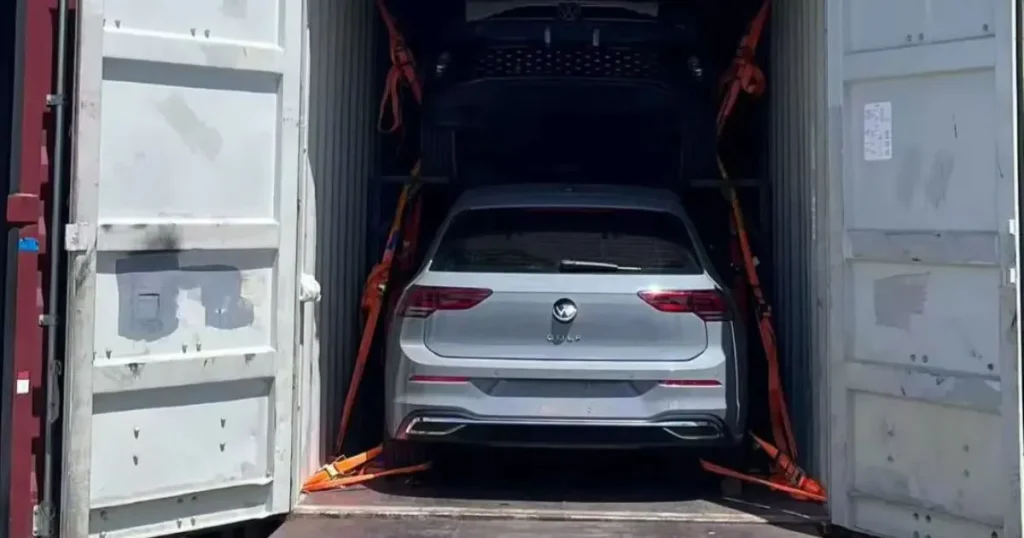
You can ship a car with personal belongings inside, but not under the rules most people find online. Those rules describe domestic auto transport: a suitcase in the trunk, an allowance some US auto transporters advertise at about 100 lb, no valuables. An international container shipment from China is a different problem, because the car […]
Zwolnienie ładunku LCL: pięć dokumentów odblokowujących CFS

LCL cargo does not leave the destination CFS because the vessel was discharged. It leaves when five separate gates are cleared: the house bill is released, the arrival notice matches the consignee, the freight and destination charges are settled, customs has released the entry, and the CFS has issued a gate pass. A missing gate […]
Czterdzieści kartonów: morski, lotniczy czy ekspresowy? Uruchom koszty stałe

Forty cartons is not a volume decision. It is a fixed-cost decision. At that size, the difference between sea, air and express is rarely the per-cubic-meter rate or the per-kilo rate; it is the minimum charge, the origin handling fee, the destination fee and the time cost that sit on top. LCL quotes a shipment […]
Używane maszyny z wciąż znajdującym się w nich olejem: czy można je wysłać?

Used machinery with oil still inside can usually ship, but not as ordinary cargo without the right paperwork. The booking question is what is left in the tank, lines, sump and hoses: free-flowing liquid makes the unit a dangerous goods question, while a properly drained and cleaned machine usually moves as general cargo with a […]
Narażenie na AD/CVD: decyduje zakres, a nie kodeks HTS

Zapewnienie dostawcy, że Twój produkt jest “nie podlega AD/CVD” is not a customs classification. Antidumping and countervailing duty coverage is decided by the scope language of an order, and only a scope ruling from the Commerce Department settles it. If the entry turns out to be covered, the importer of record carries the […]
Importujesz markowe towary? Zegar 7-dniowy po zatrzymaniu

If US customs detains your shipment because it carries a recorded brand, the deadlines are regulatory, not commercial. Under 19 CFR 133.21, CBP may detain suspect merchandise for up to 30 days from the date it is presented for examination, must notify the importer in writing within five business days of the detention decision, and […]
Rozliczenie za więcej metrów sześciennych? Jak to kwestionować
You can dispute a re-measured cubic meter charge, but a packing list alone rarely wins it. Ocean LCL is billed on the volume the pricing rule recognizes, and that rule is written into the quote, the booking confirmation, the forwarder’s terms and the house bill of lading. So the dispute has two questions, in this […]
EXW czy FOB? Dokumentacja eksportowa decyduje, co jest tańsze

EXW to nie tylko “płacisz ciężarówce.” Under Incoterms 2020, Ex Works also hands the export clearance to the buyer, and in China that clearance is the document the export VAT refund is built on: the exporter named on the declaration is the party that claims the refund against the matching VAT invoices. A […]
Wycena pierwszej sprzedaży: plik, który CBP spodziewa się zobaczyć

Wycena pierwszej sprzedaży może obniżyć podstawę cła, jeżeli producent sprzedaje pośrednikowi, a pośrednik importerowi z USA. Deklarujesz wcześniejszą, niższą cenę, a nie cenę pośrednika. Stawka pozostaje taka sama; wartość, którą stosuje, ulega zmianie. Metoda nie jest automatyczna. Importer musi udowodnić […]
Zmiana listu przewozowego: lista kontrolna żądania przed wyrażeniem zgody przez przewoźnika
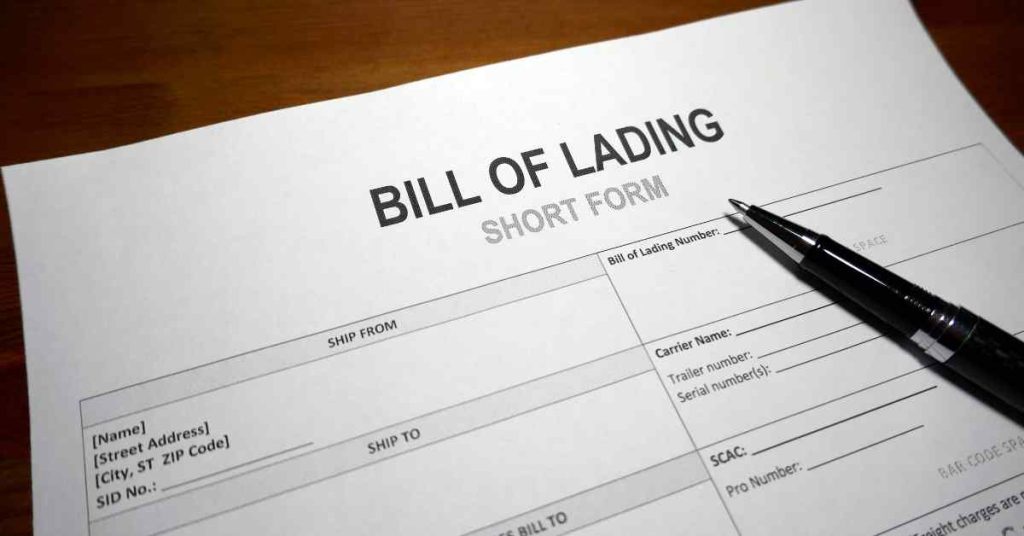
Konosament zamiany to drugi zestaw rachunków wystawiony w celu zastąpienia pierwotnego zestawu dla tego samego ładunku i podróży. Nie jest to notatka korygująca ani kopia. Przewoźnicy wystawiają go dopiero po oddaniu i anulowaniu pierwotnego zestawu, gdyż dwa rachunki na żywo za jeden kontener mogą stworzyć konkurencyjne […]